Seven Ways to Explore Biltmore in Asheville, North Carolina
This past December, we had the good fortune to stay in Asheville, North Carolina and spend Christmas at Biltmore, one of the most magical places to celebrate the holiday season. Biltmore had been on our must-visit list for years and we’re so grateful we had the chance to visit. We’ve already shared our adventures touring the main mansion and all the activities to enjoy at Antler Hill Village on the blog. This week, we have one final, comprehensive post that includes the entire estate.
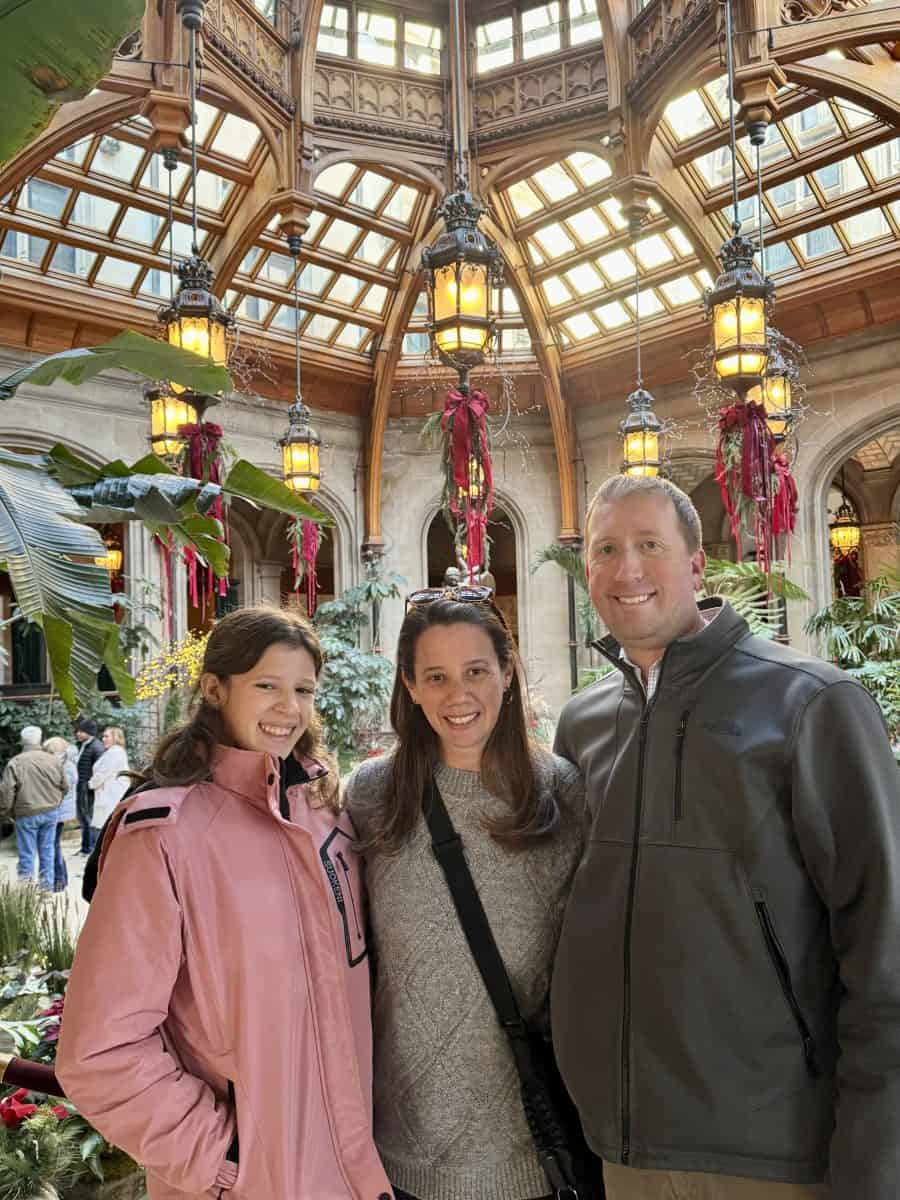
A little historical context: Biltmore is the largest private home in America and a National Historic Landmark. Businessman, art collector, and heir to the Vanderbilt fortune George Vanderbilt commissioned Richard Morris Hunt to build the 250 room estate and famed architect Frederick Law Omsted to design the gardens and conservatory in the late 1800s, after a visit to the area to escape the pace and pressures of New York City. George and Edith Stuyvesant married in 1898 and their only child, Cornelia, was born in 1900 on the estate. The Vandebilts were popular members of the Asheville community, helping to bring recognition and prestige, and tourists, to the Blue Ridge Mountains area. George Vaderbilt died unexpectedly in 1914, but Edith and Cornelia continued the family legacy by opening the mansion to the public in 1930 and expanding it over the decades to include lodging, dining, a winery, miles of hiking trails, and countless ways to enjoy the beauty of the Blue Ridge Mountains


Staying at Biltmore: There are three great lodging options on the Estate: The Inn on Biltmore Estate, with stunning views and world class amenities; the Village Hotel on Biltmore Estate, which is adjacent to Antler Hill Village and a great option for families; and the Cottages on Biltmore Estate, which offer a more private, homey feel.
Driving around the estate and parking: There is plenty of parking throughout the estate, mainly in lots near the main mansion and Antler Hill Village. There are shuttle trams that run on a continuous loop from all parking lots to (basically) the front door of the estate, Antler Hill Village, Conservatory, and the hotels and are a great option for people who don’t want to walk a lot to the estate, and for guests who arrive later in the day and have to park in a farther lot- more info here.

Seven Ways to Explore Biltmore:
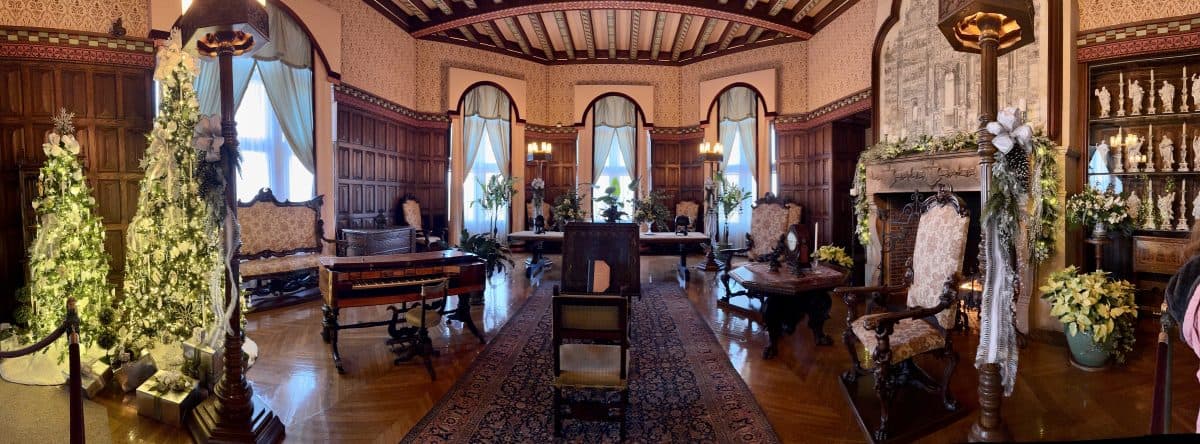
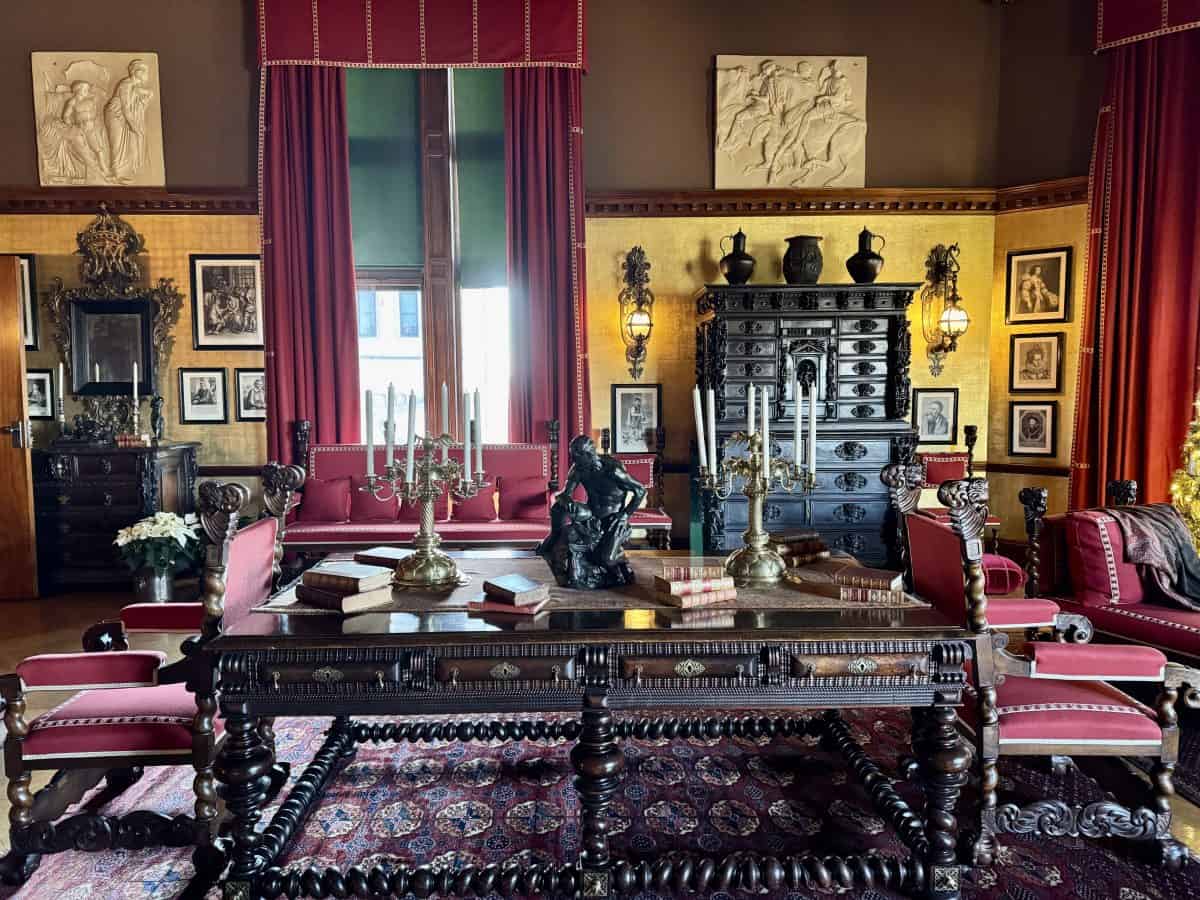
- Tour the main estate. The 250 room main house (with 43 working bathrooms, 2 working elevators, and 288 electric light fixtures) is open to the public 365 days a year with self guided tours available. Make sure kids grab the Cedric’s Sniff-and-Seek Treasure Hunt to complete while on tour. Look for paw print symbols throughout the self guided tour rooms. Visitors can explore everything from the banquet hall and winter garden to bedrooms and bathrooms to the indoor swimming pool and gym. See our full feature of the main mansion and our version of I Spy here.
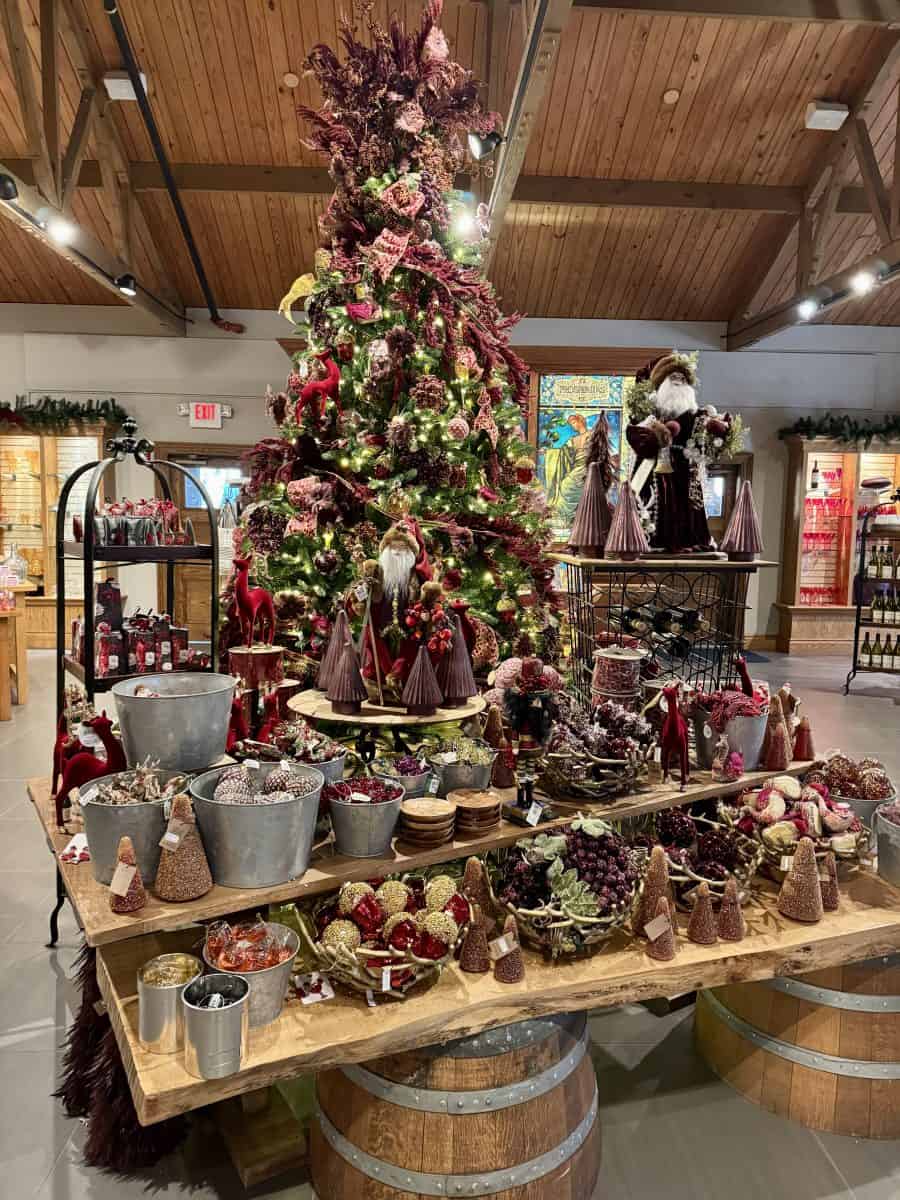
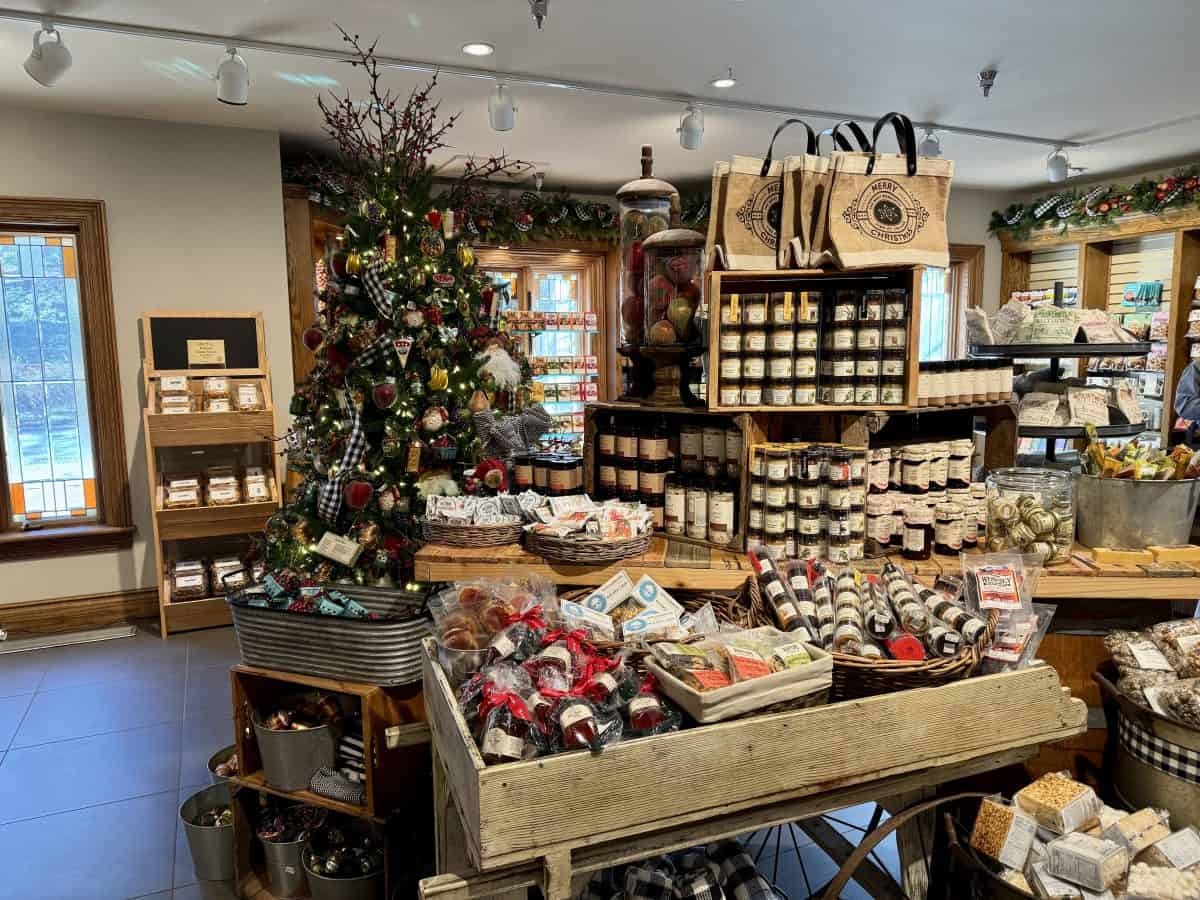
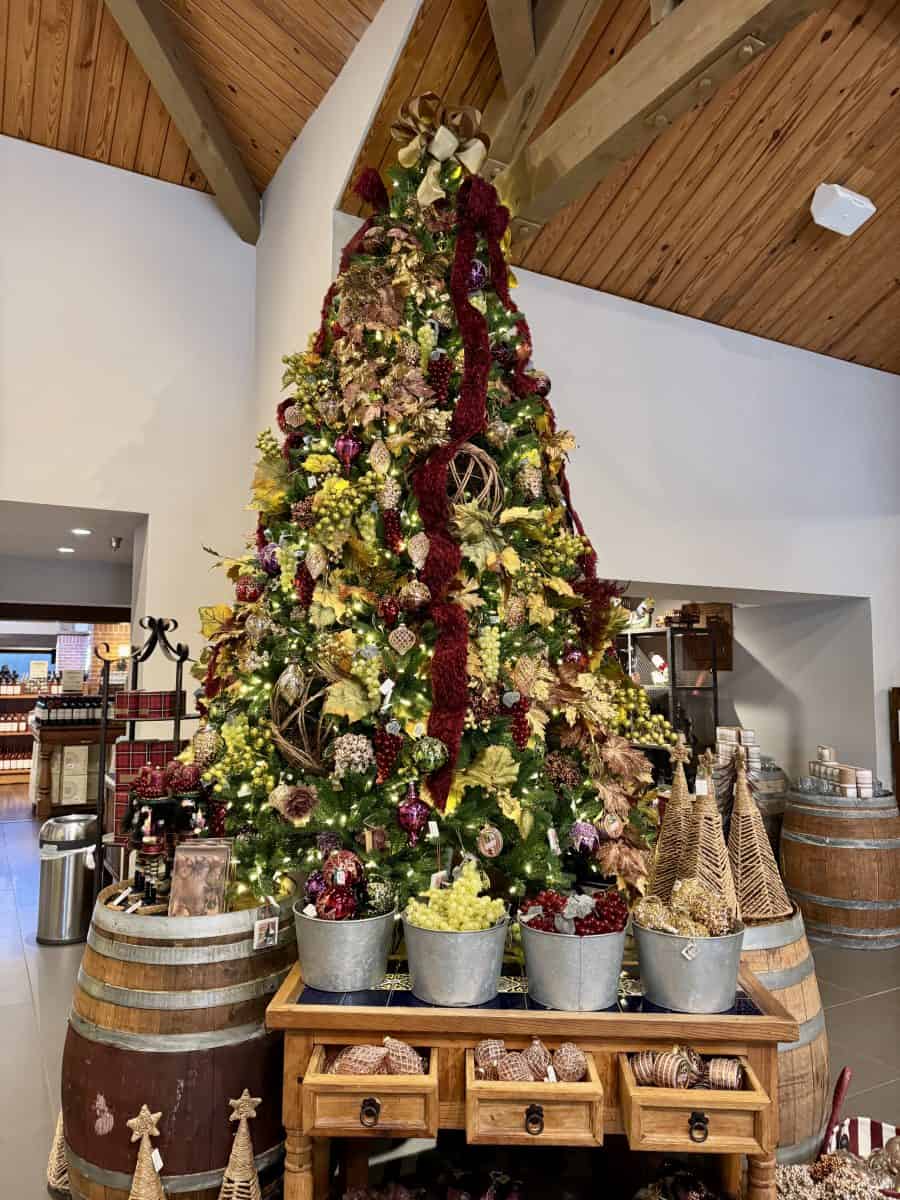
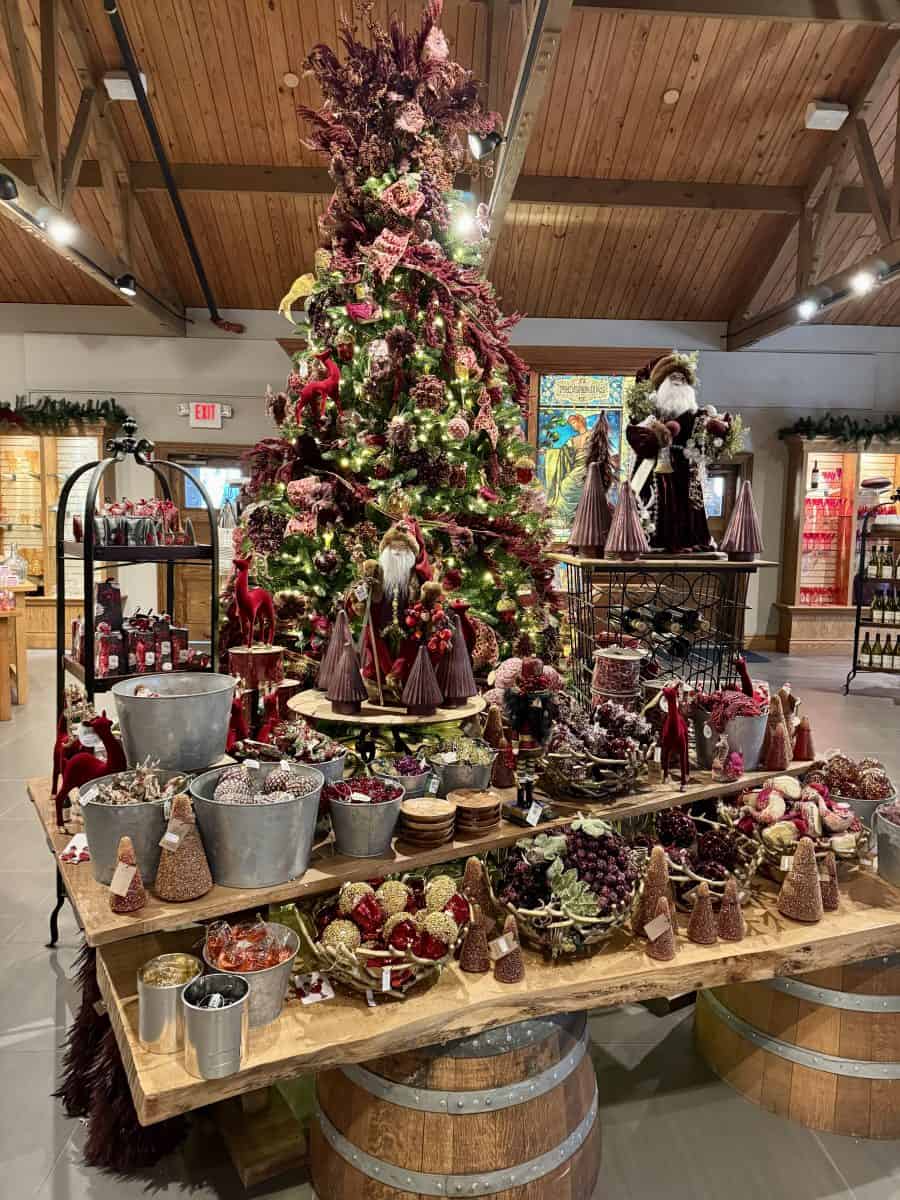
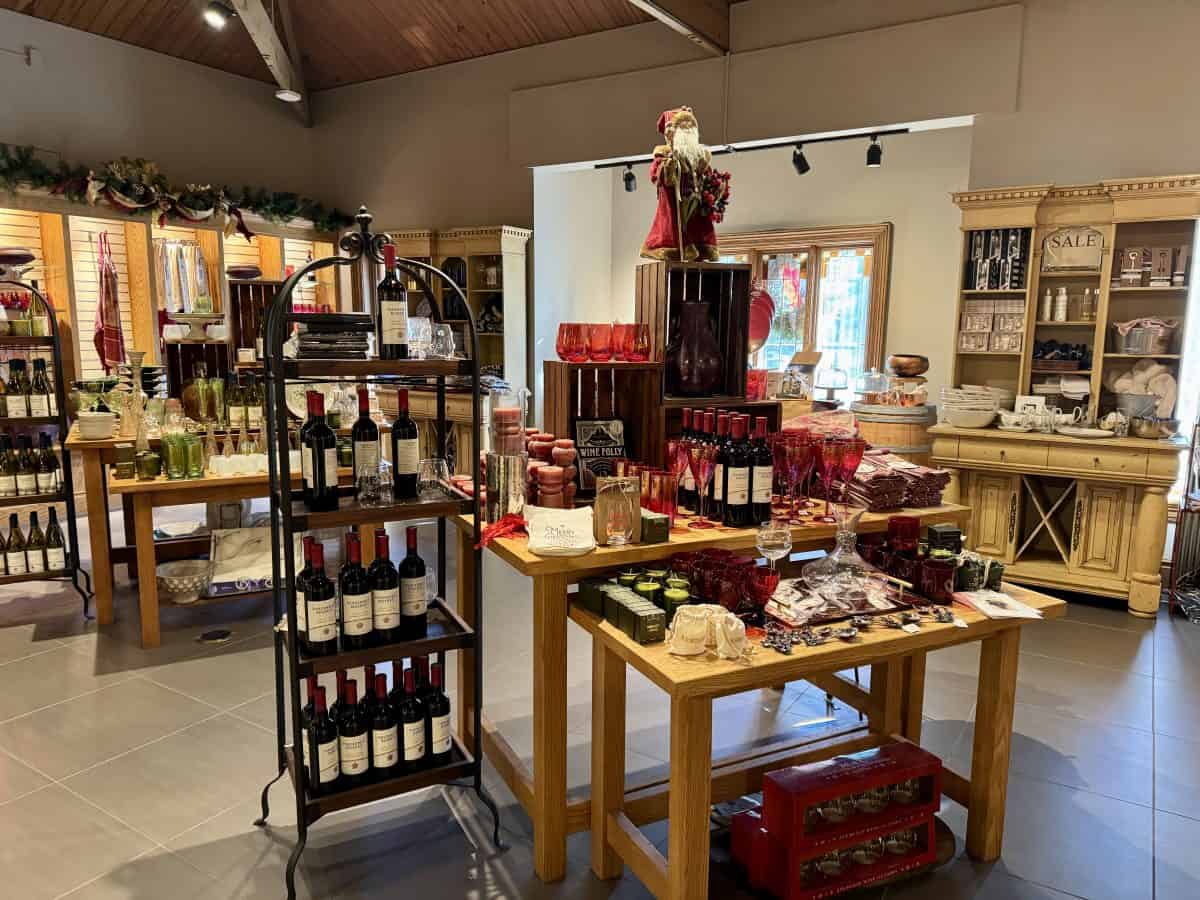
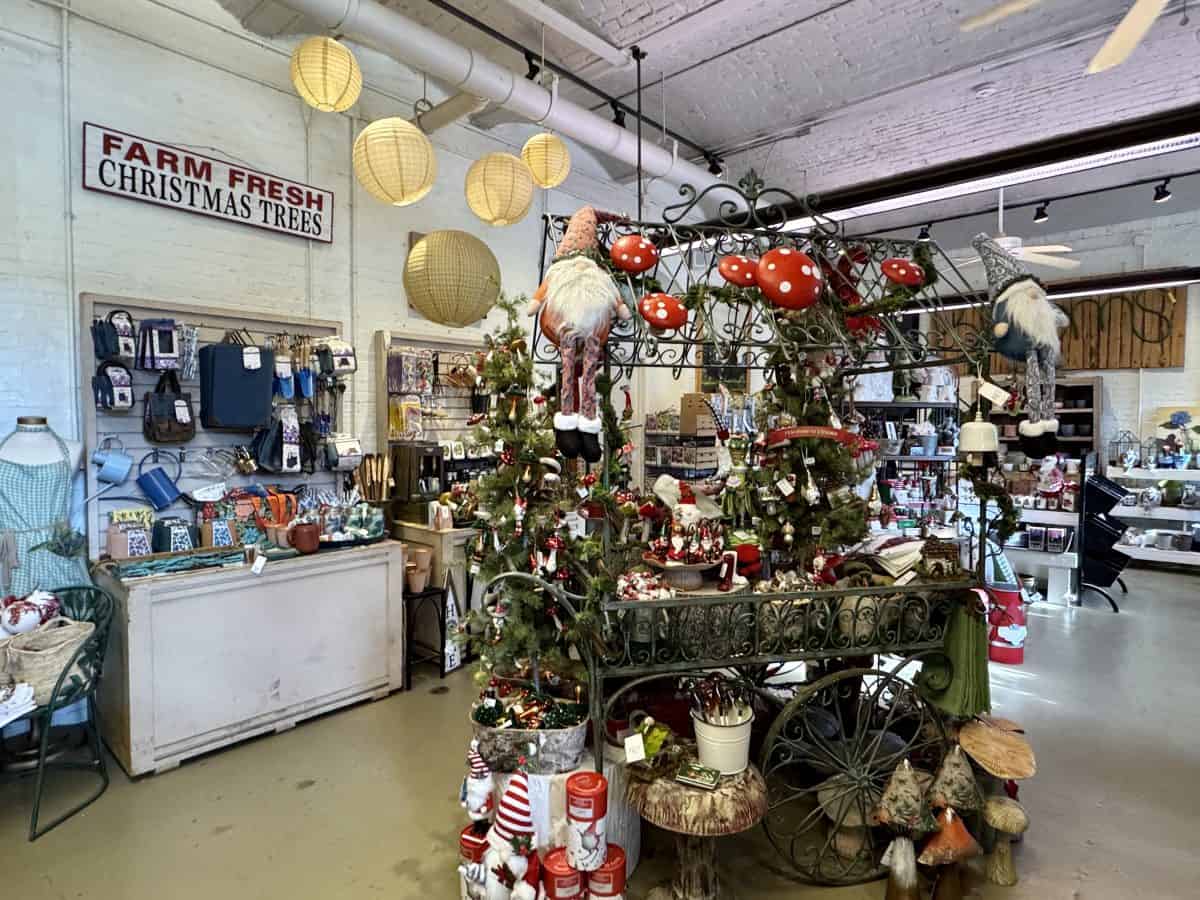
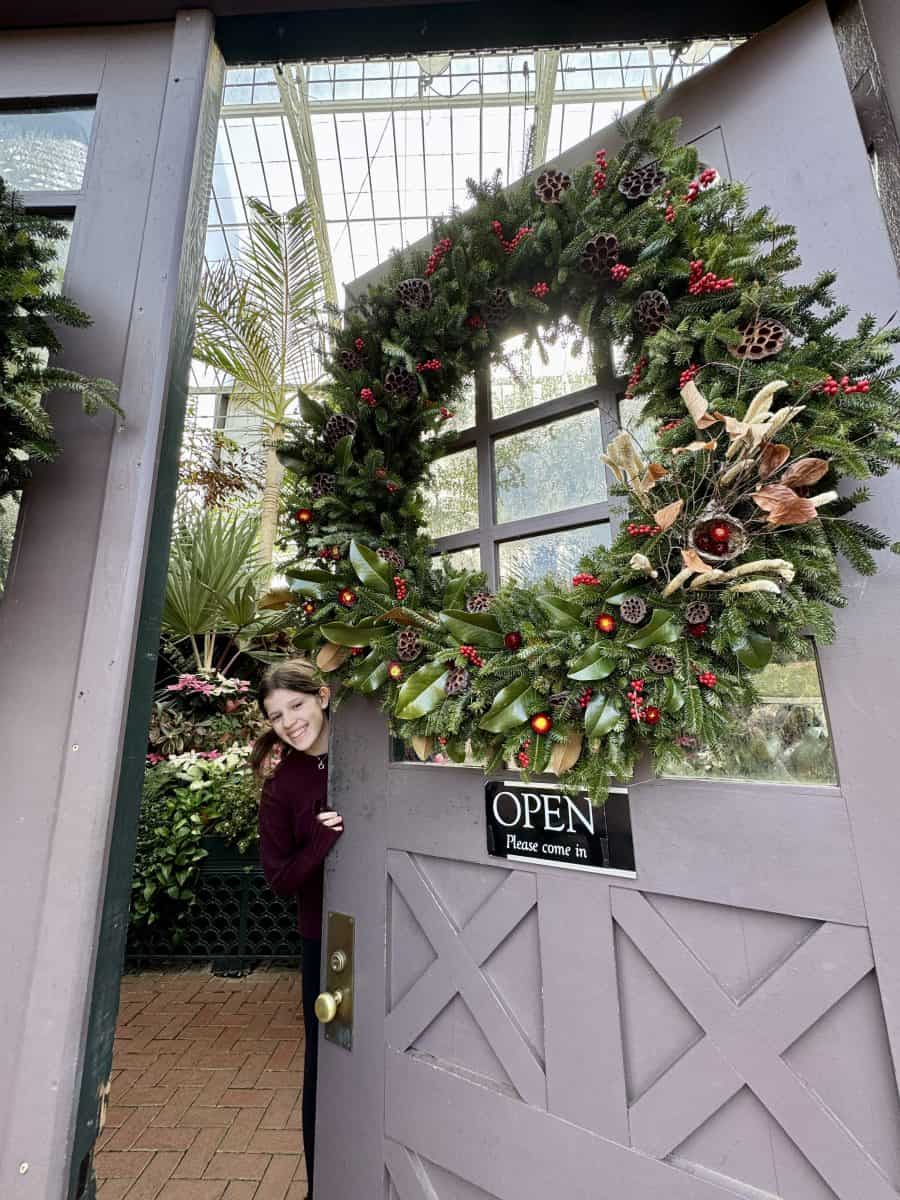
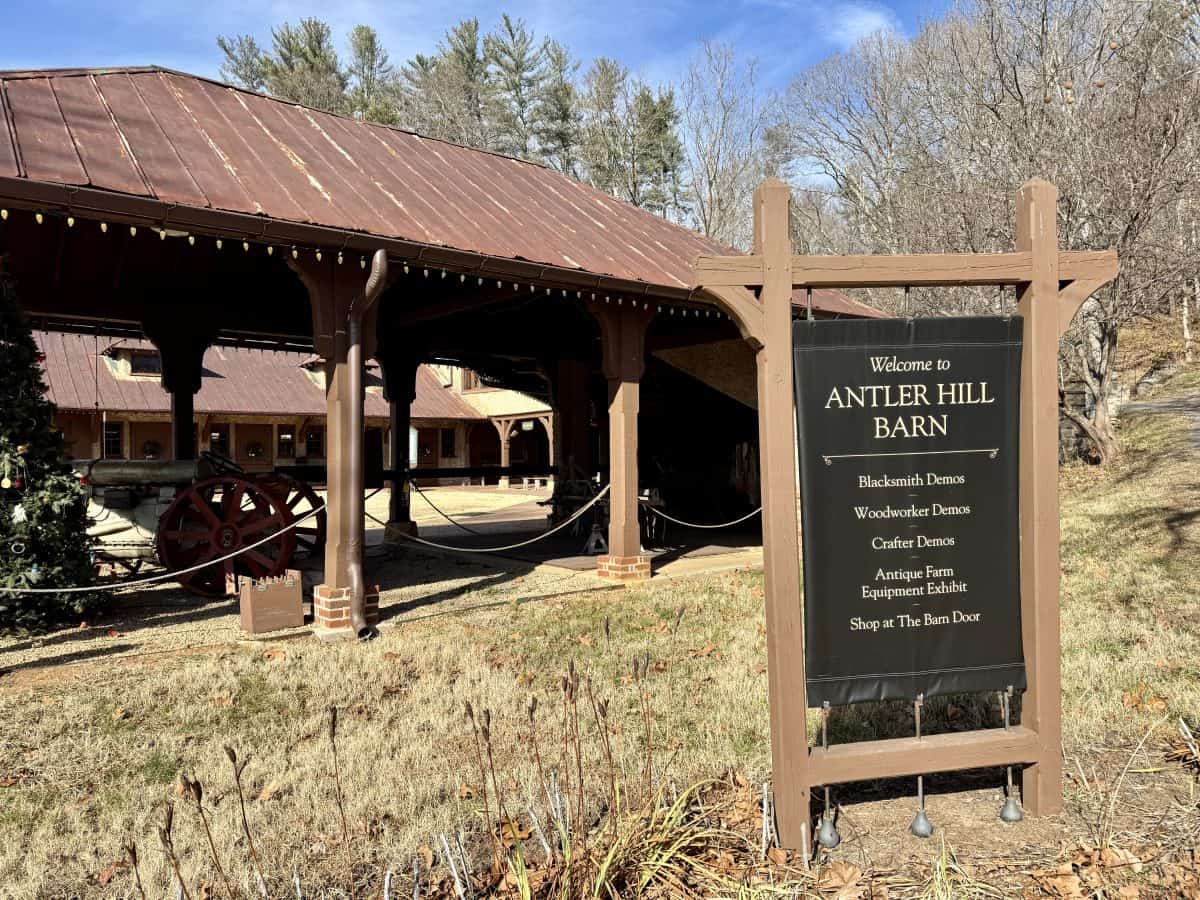
- Bring home a souvenir from one (or more than one) of several gift shops throughout the estate. After you tour the main house, shop in the Stable Courtyard, which includes Stable Café, Bake Shop, A Christmas Past, Bookbinder’s, Carriage House, Confectionery, and Toymaker’s, all of which offer wonderful souvenirs, homewares, books, and sweet treats. Check out the massive A Gardener’s Place shop inside the Conservatory, which offers plants, garden accessories, garden themed books and gifts. Antler Hill Village offers Barn Door Gift Shop (inside the barns), the larger Traditions and Antler Hill Outfitters gift shops inside the village, and the Winery, which also has an extensive gift shop, yummy samples of treats for everyone, and complimentary wine tastings for adults.
Would you like to save this?




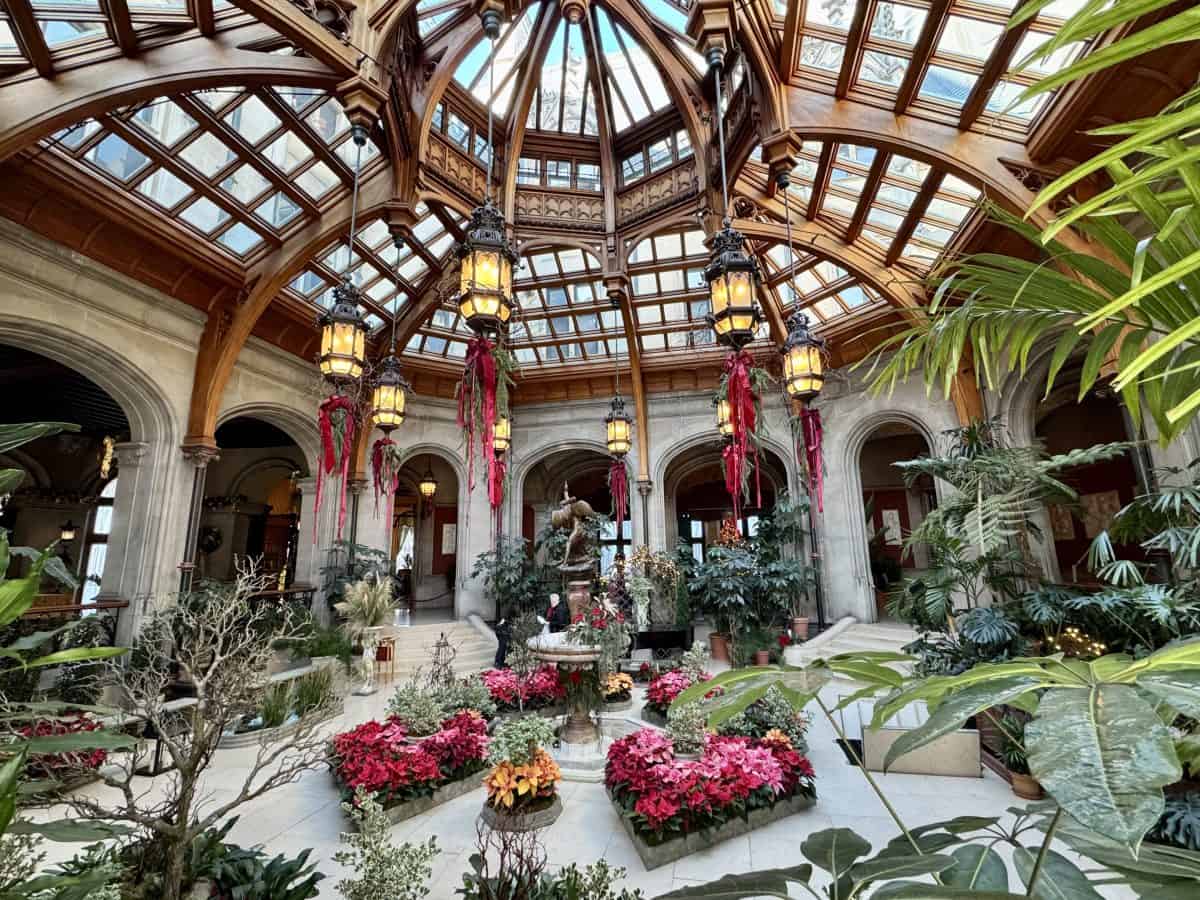








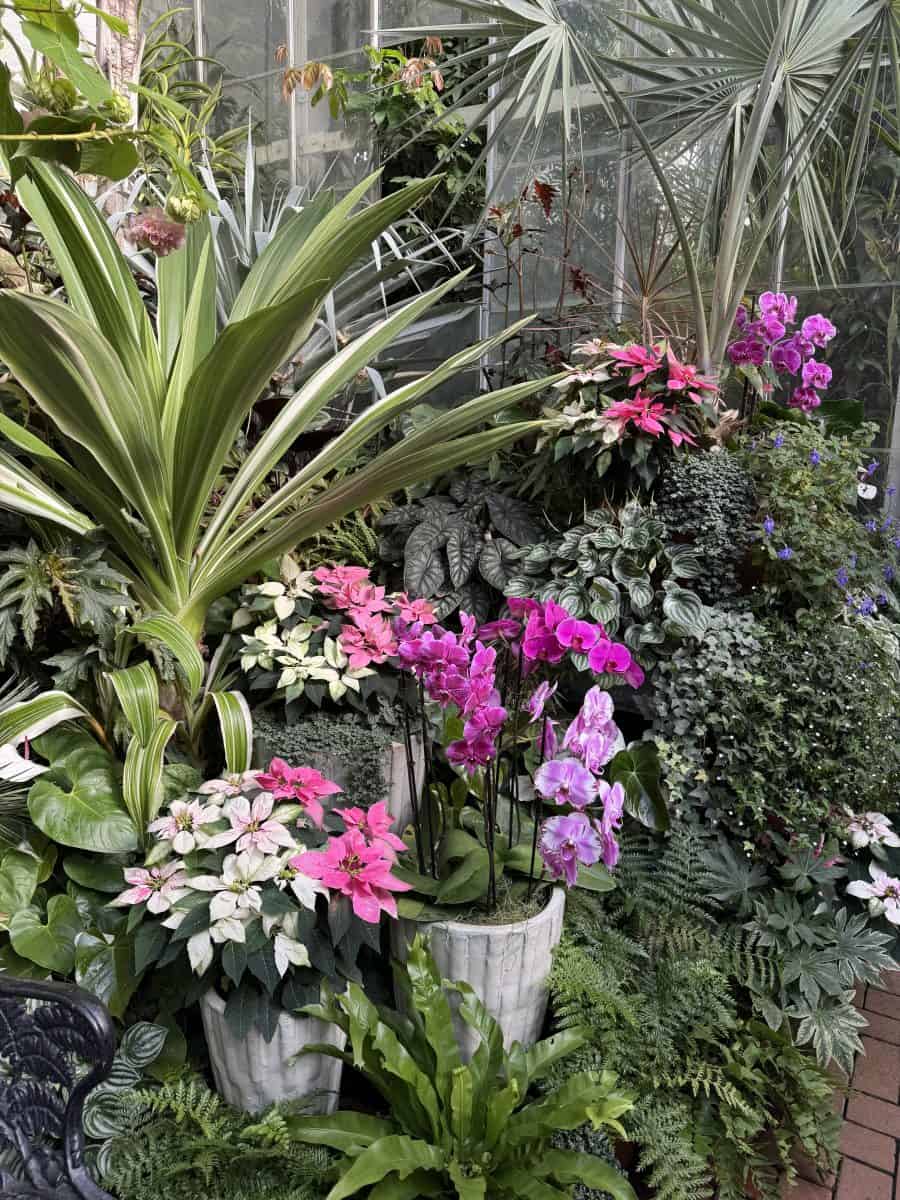
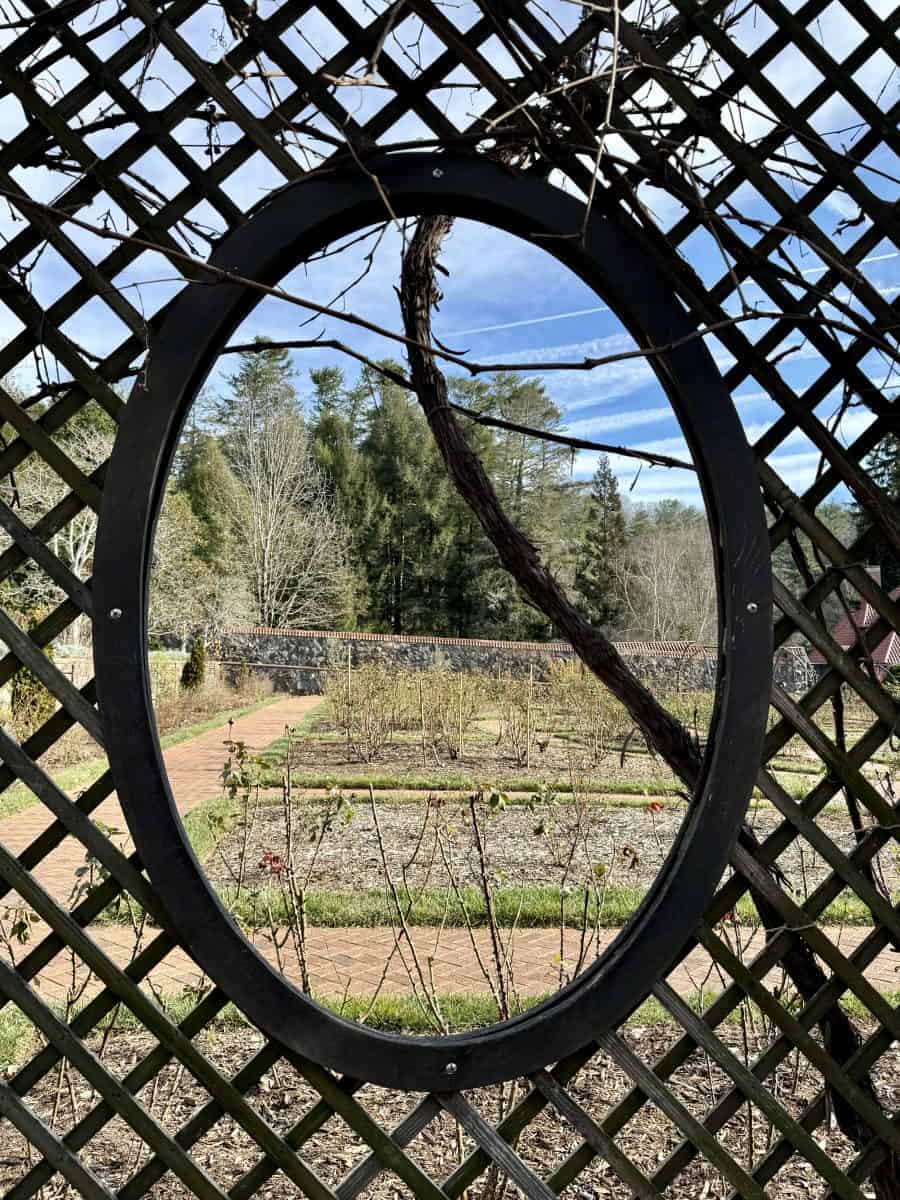
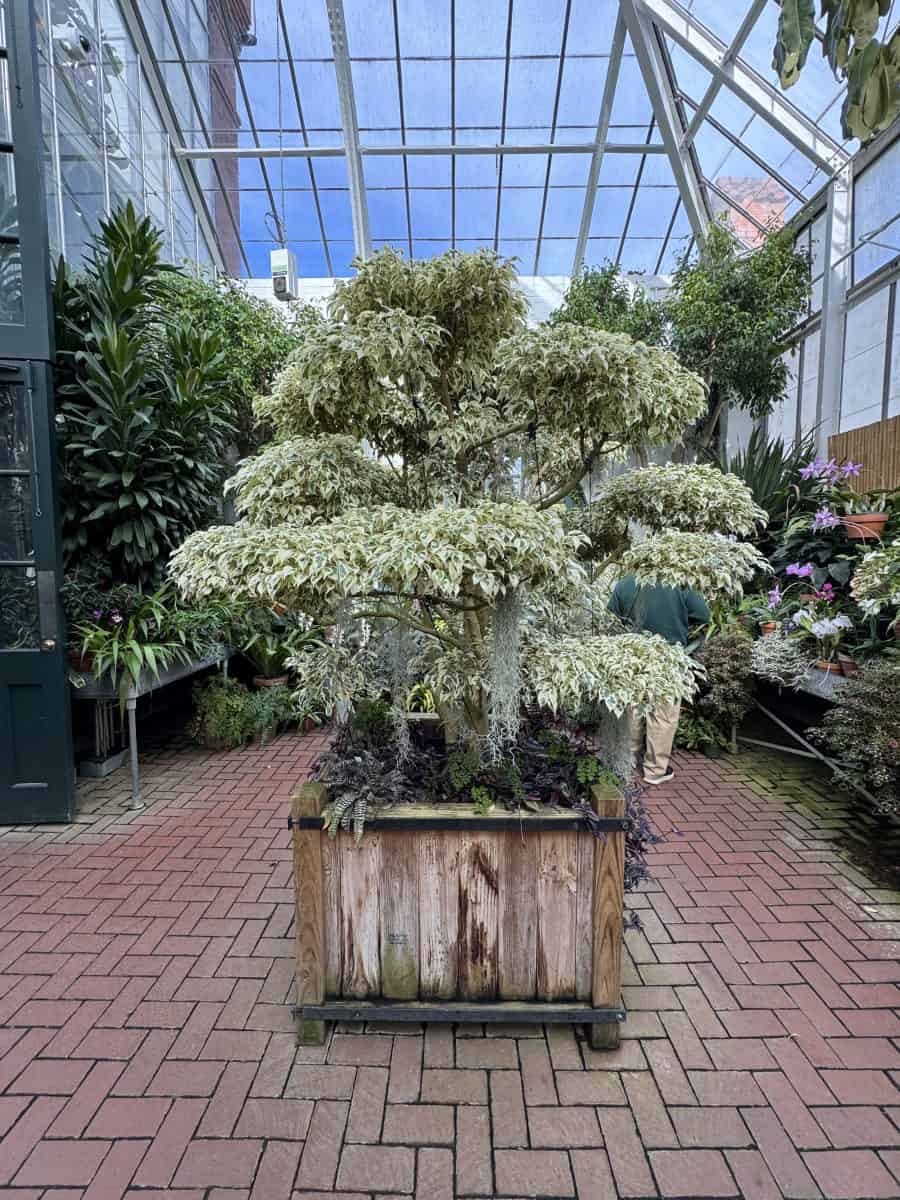
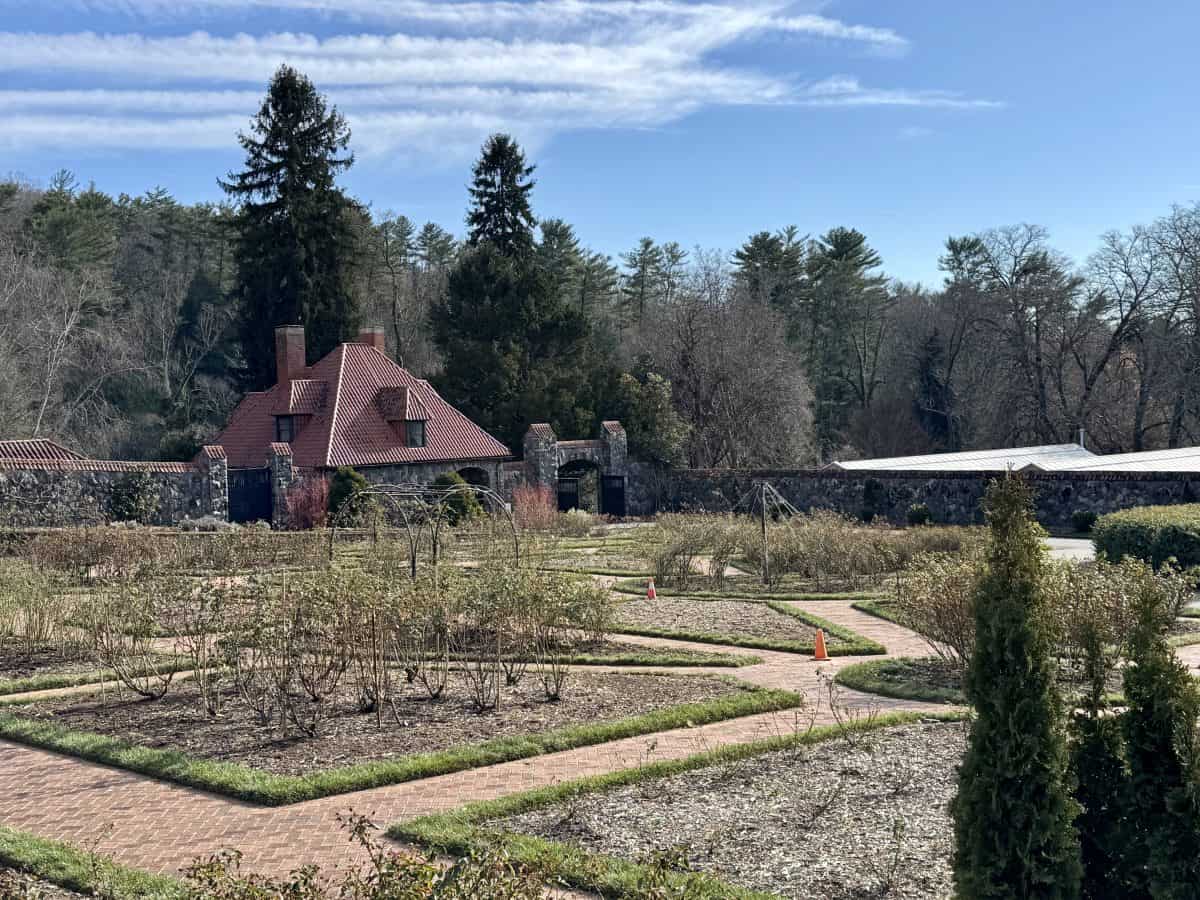
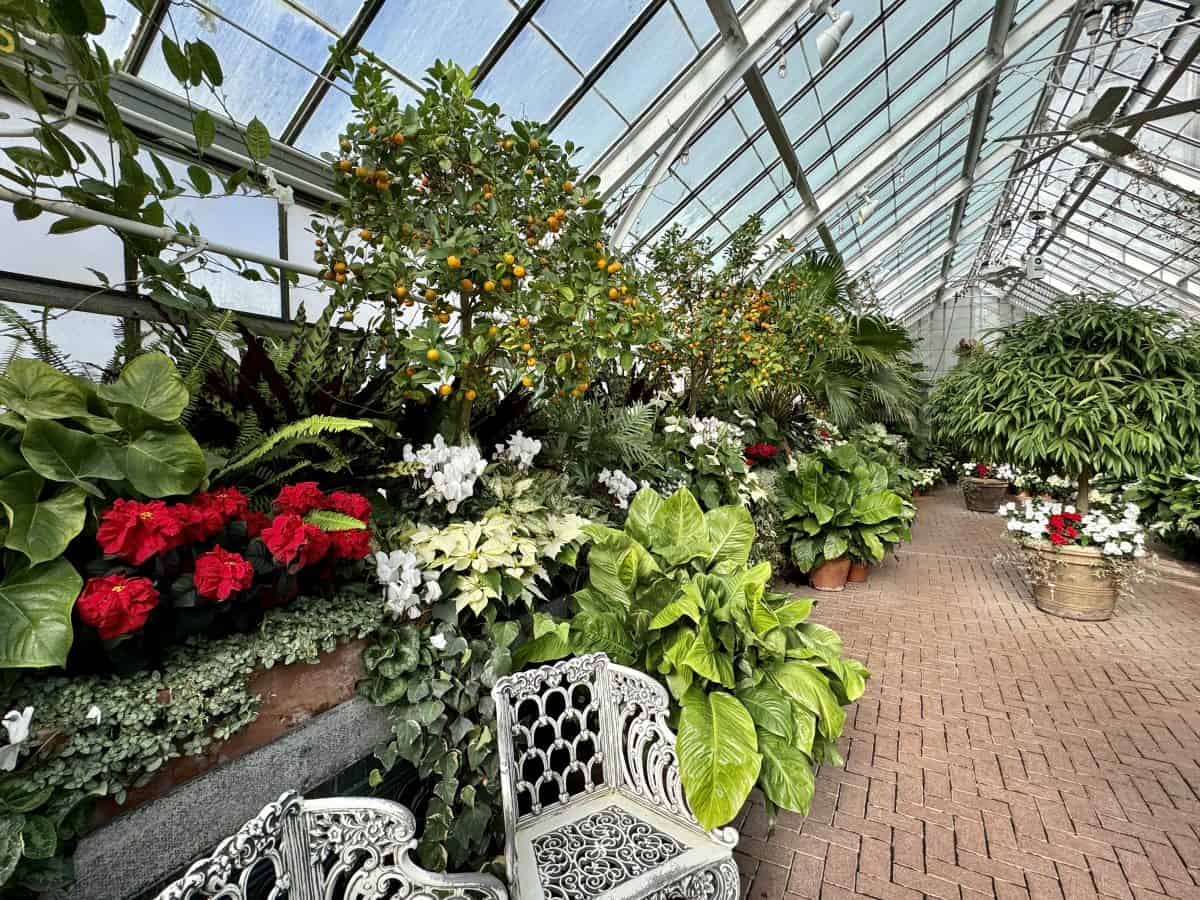
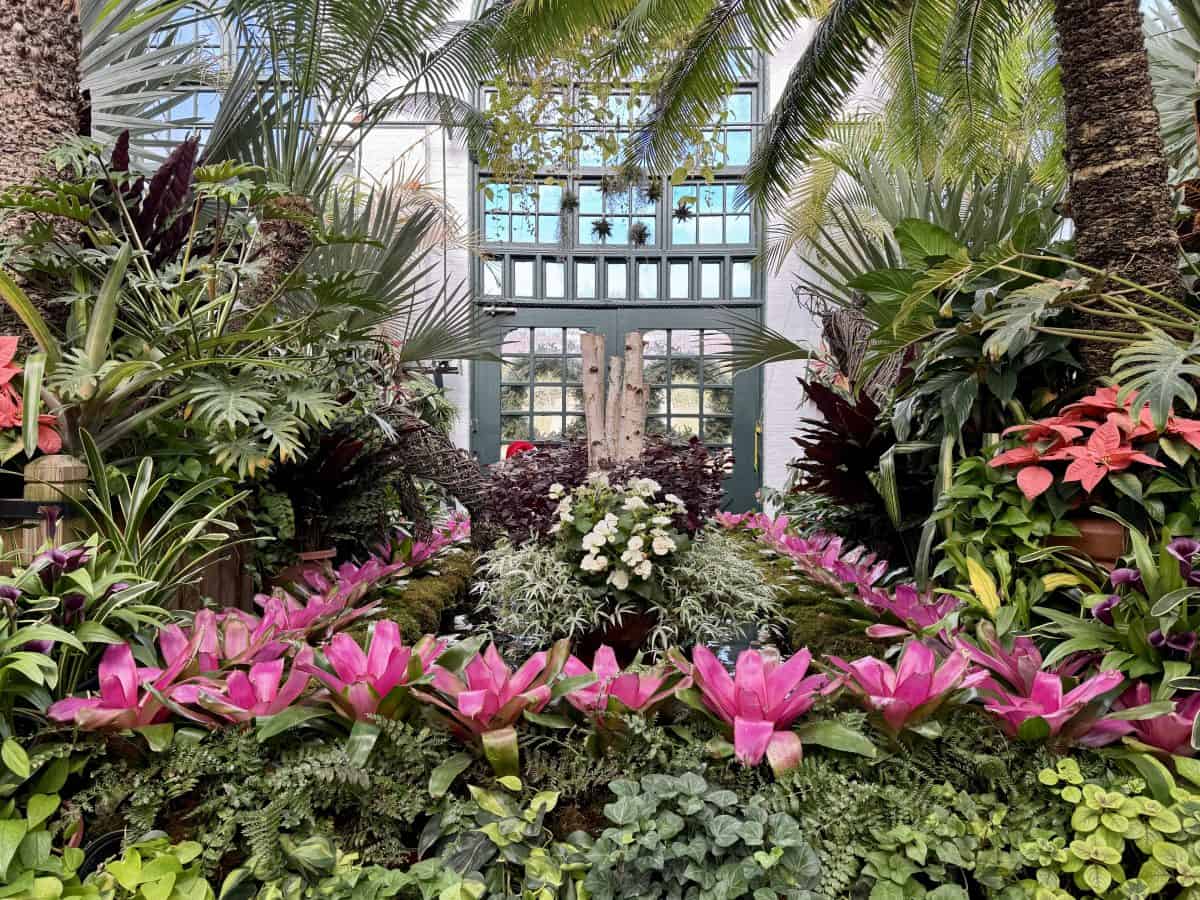
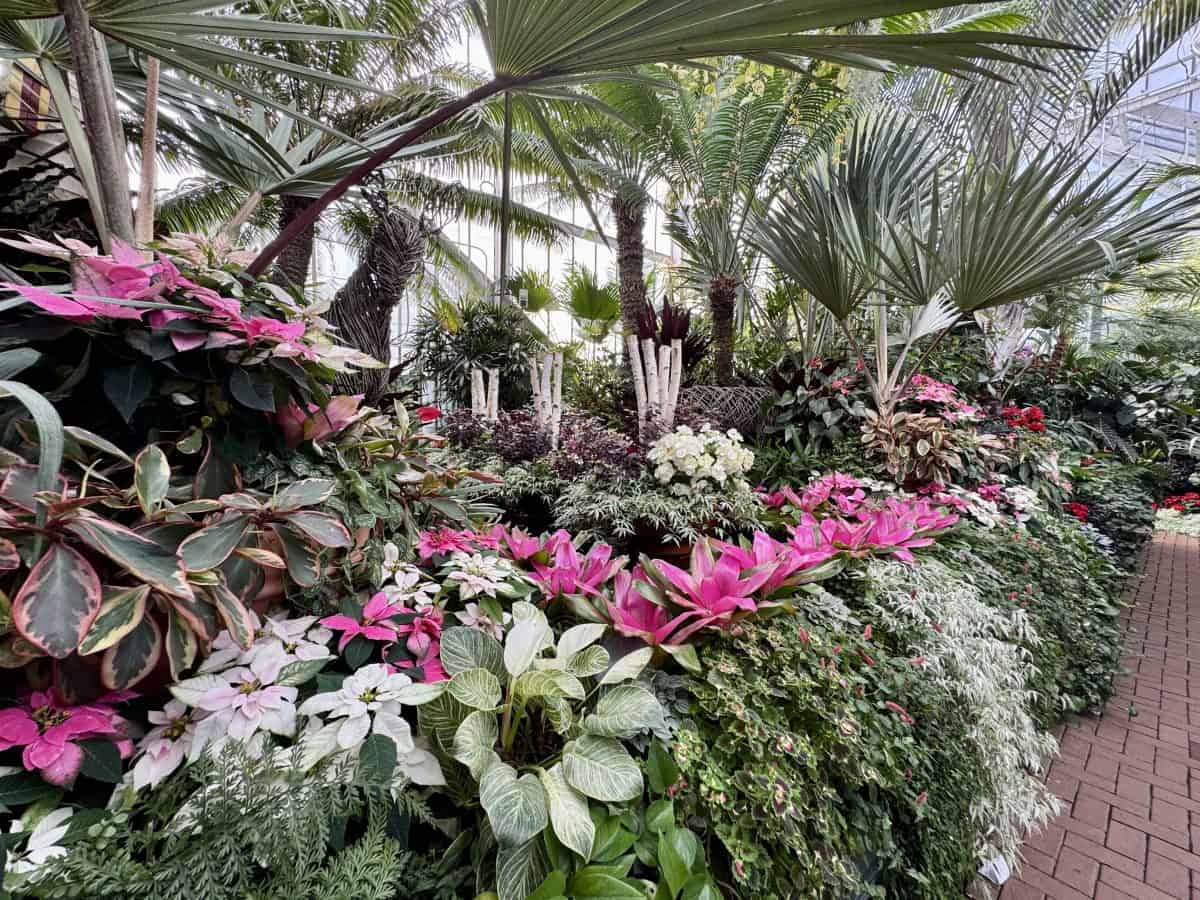
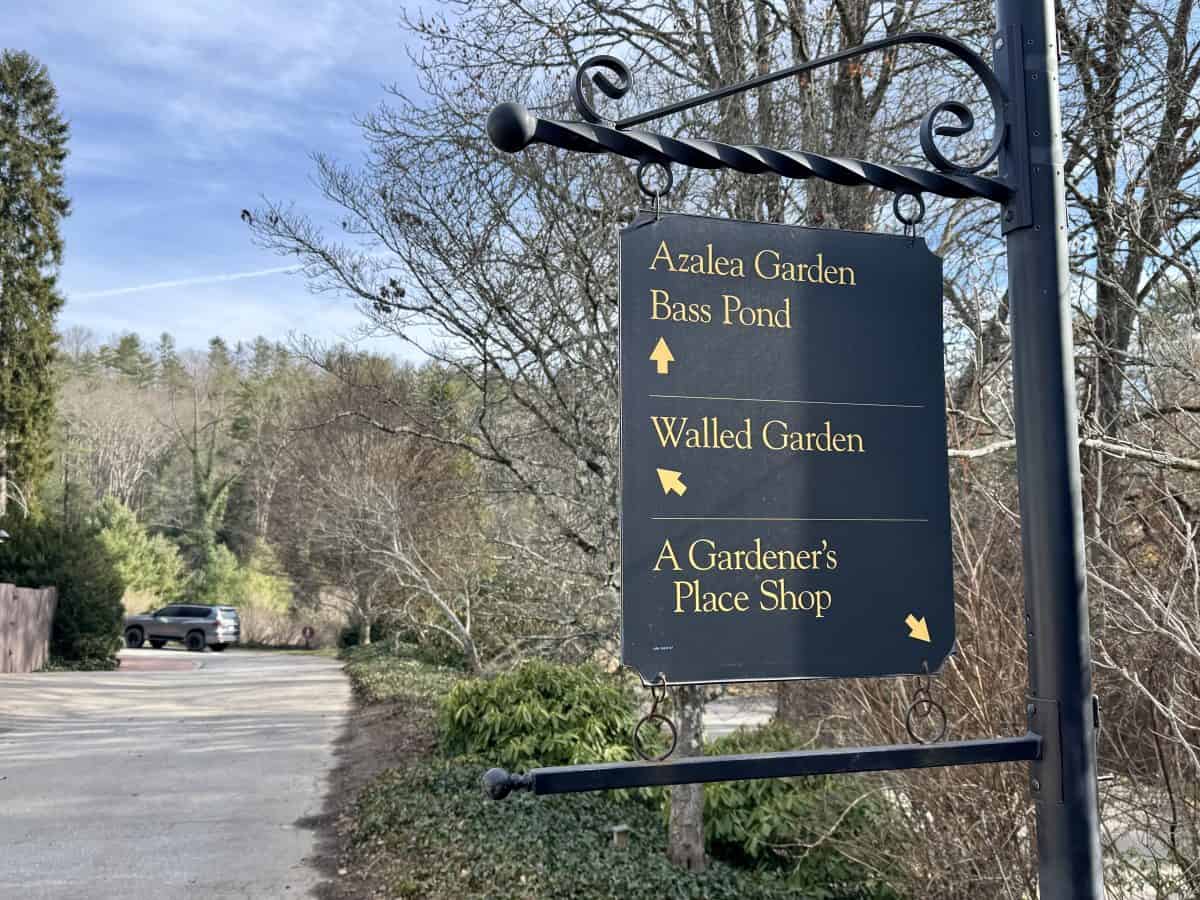
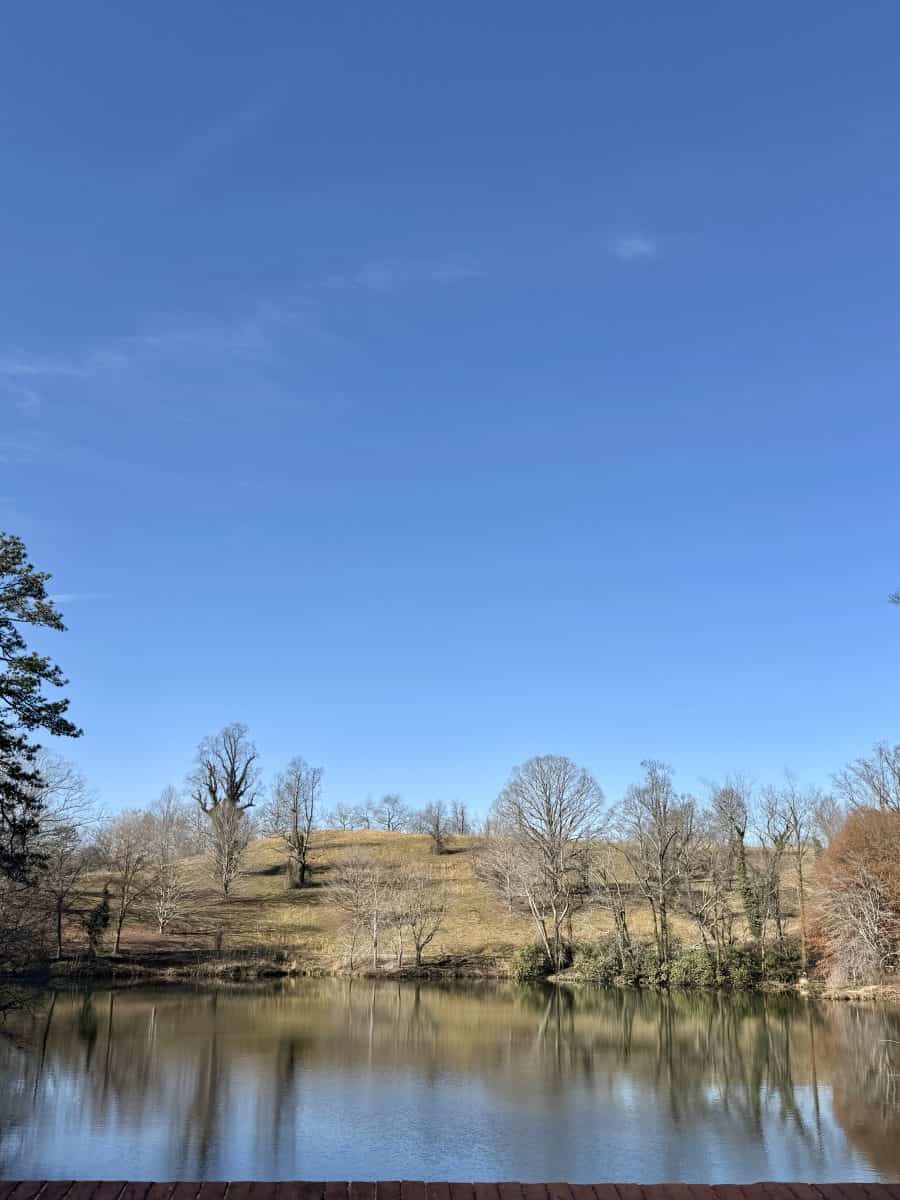
- Smell the flowers in the gardens and conservatory. The Biltmore estate has over 75 acres of gardens, including the Library and South terraces (great views of the property), the Italian Garden (used for croquet matches), the Shrub Garden (home to more than 500 varieties of shrubs and plants in season), the Spring Garden (comes alive in the springtime), Walled Garden (a four acre garden that is home to thousands of tulips in the spring, annuals in summer, and mums in the fall), a Rose Garden (with some of the same varieties the Vanderbilts enjoyed), Azalea Garden (15 acres!), the Bass Pond, and the Conservatory, designed by Richard Morris Hunt.
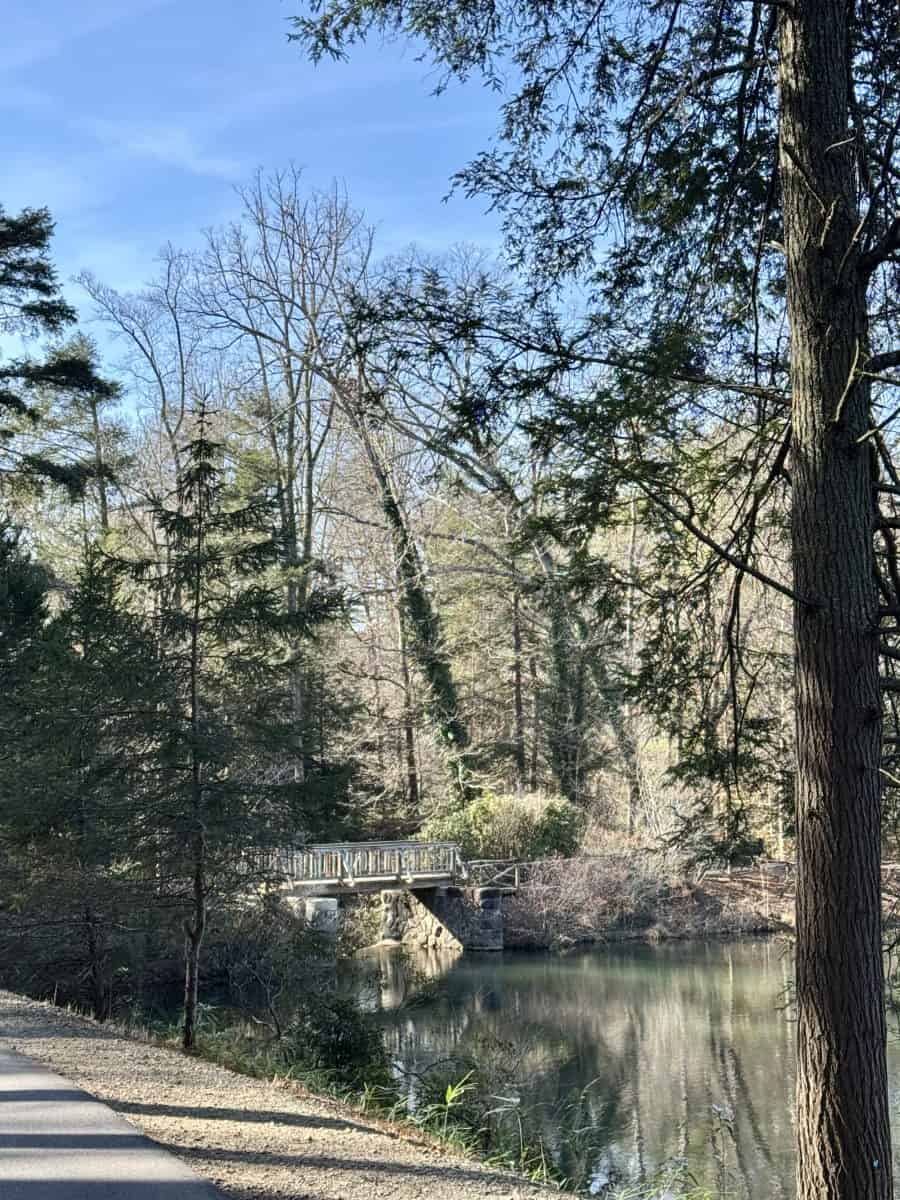
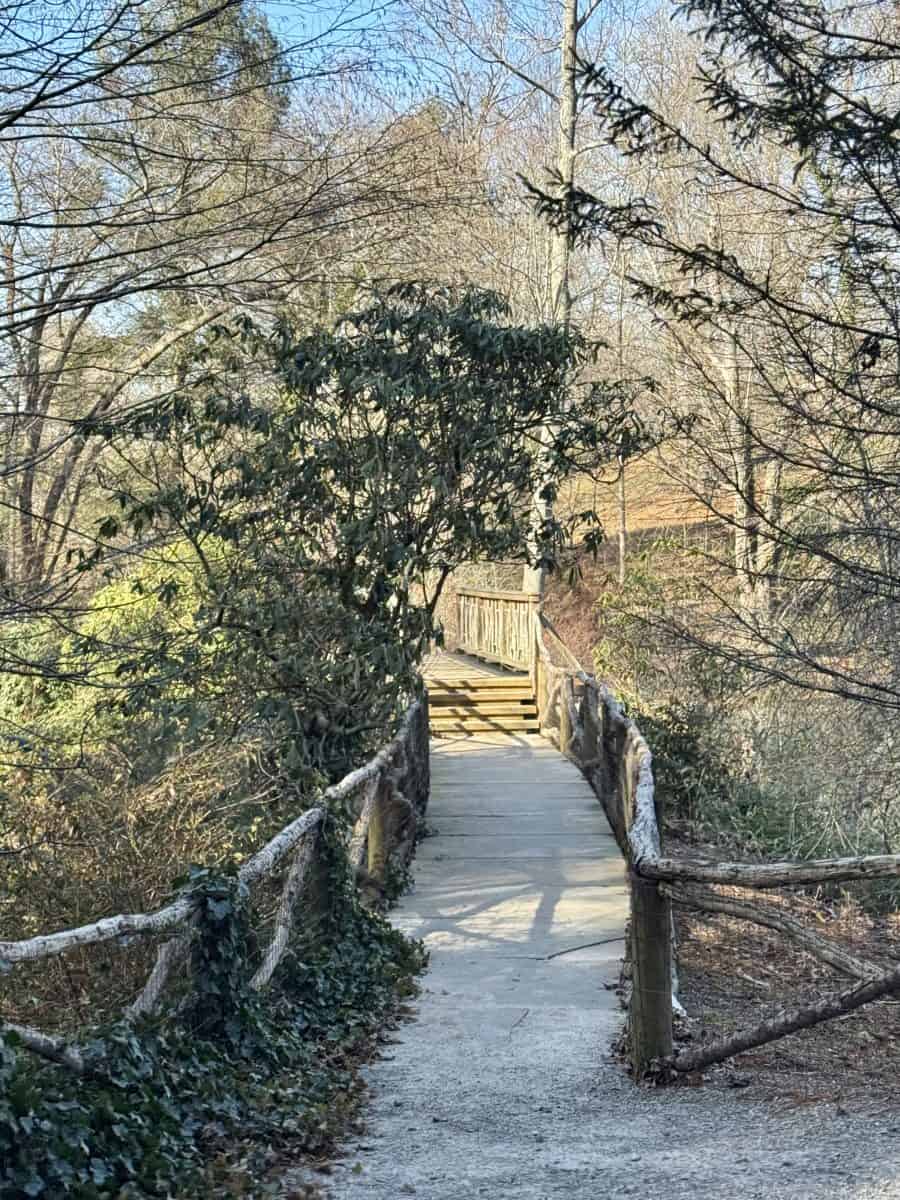
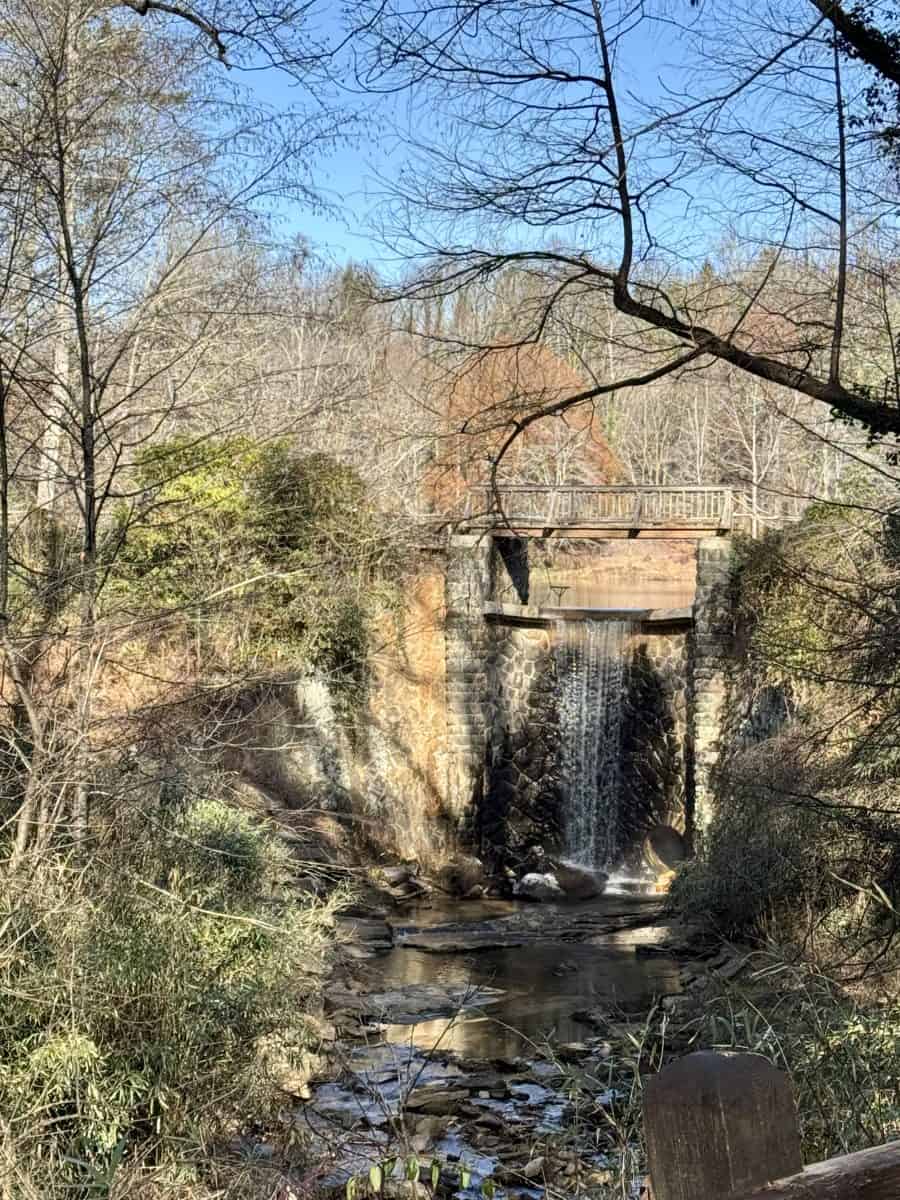
- Go for a hike or a bike ride. Biltmore offers over 20 miles of trails, including kid friendly two mile “Westover” trails and the three mile Lagoon Trail. Walking trails include paths through the various gardens that are especially thriving during the warmer spring and summer months. See the map here.





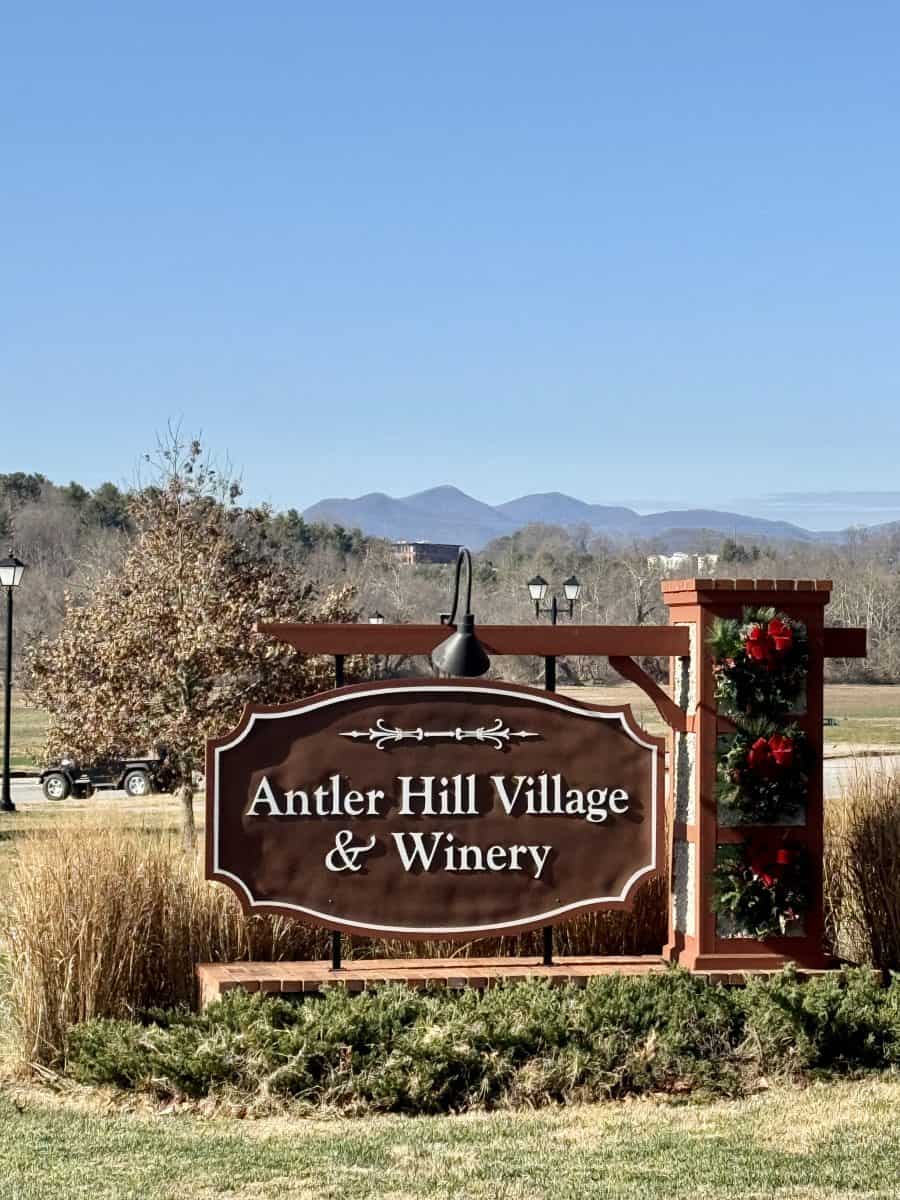
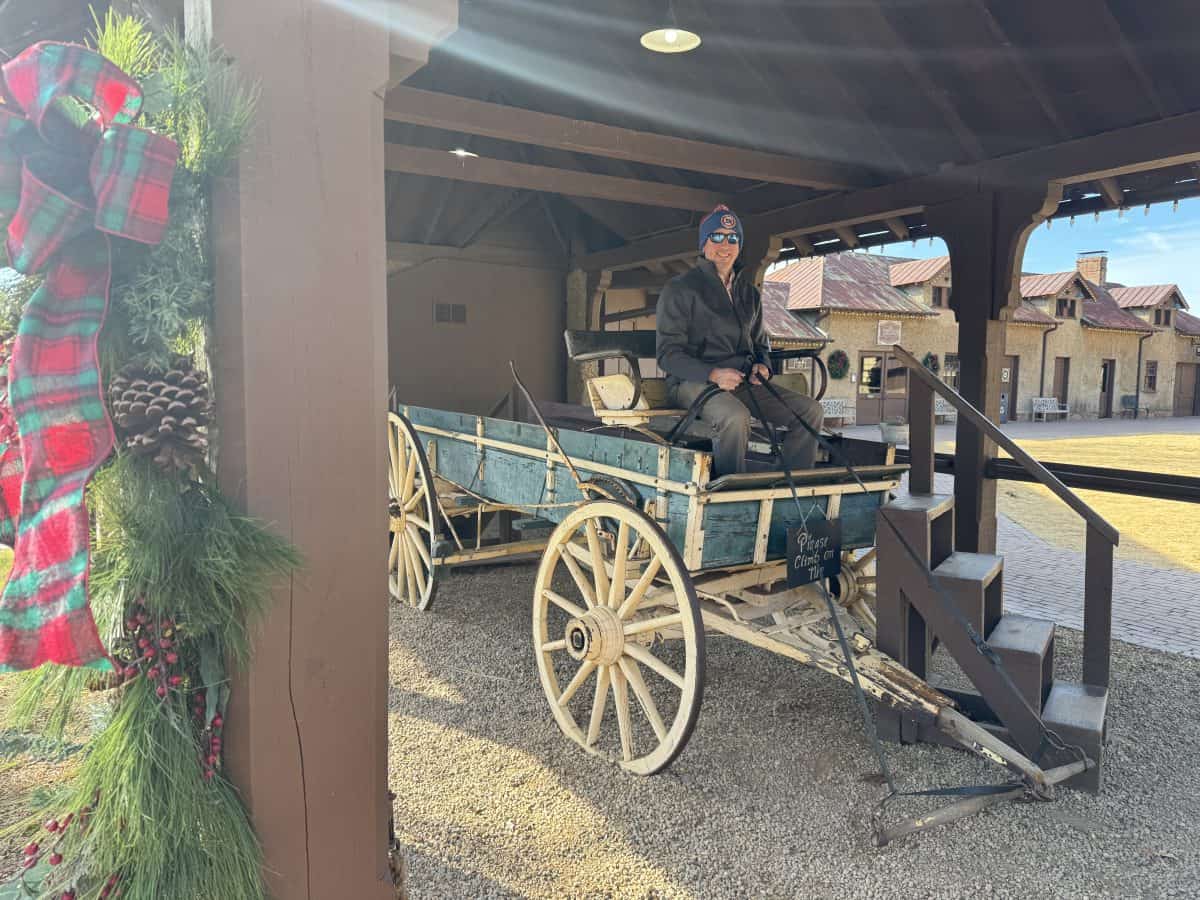
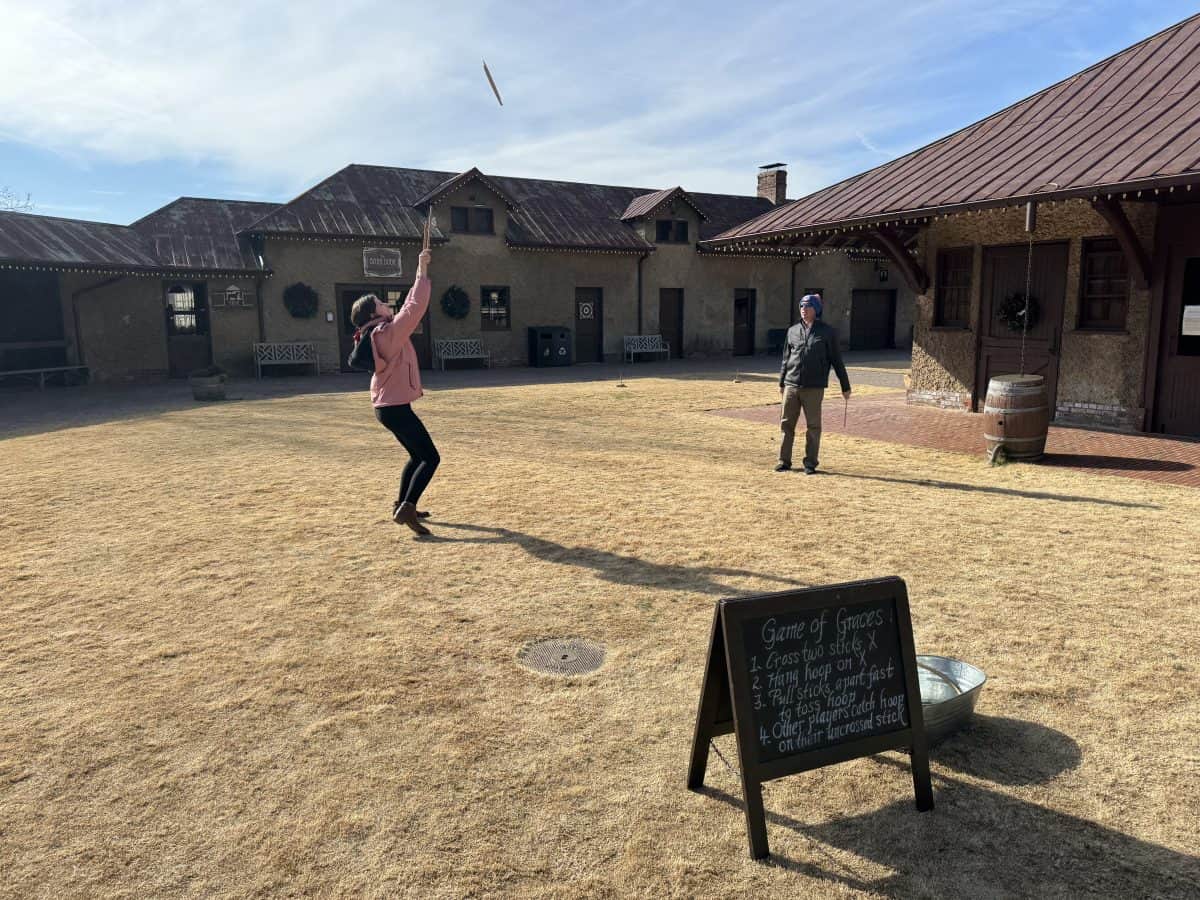
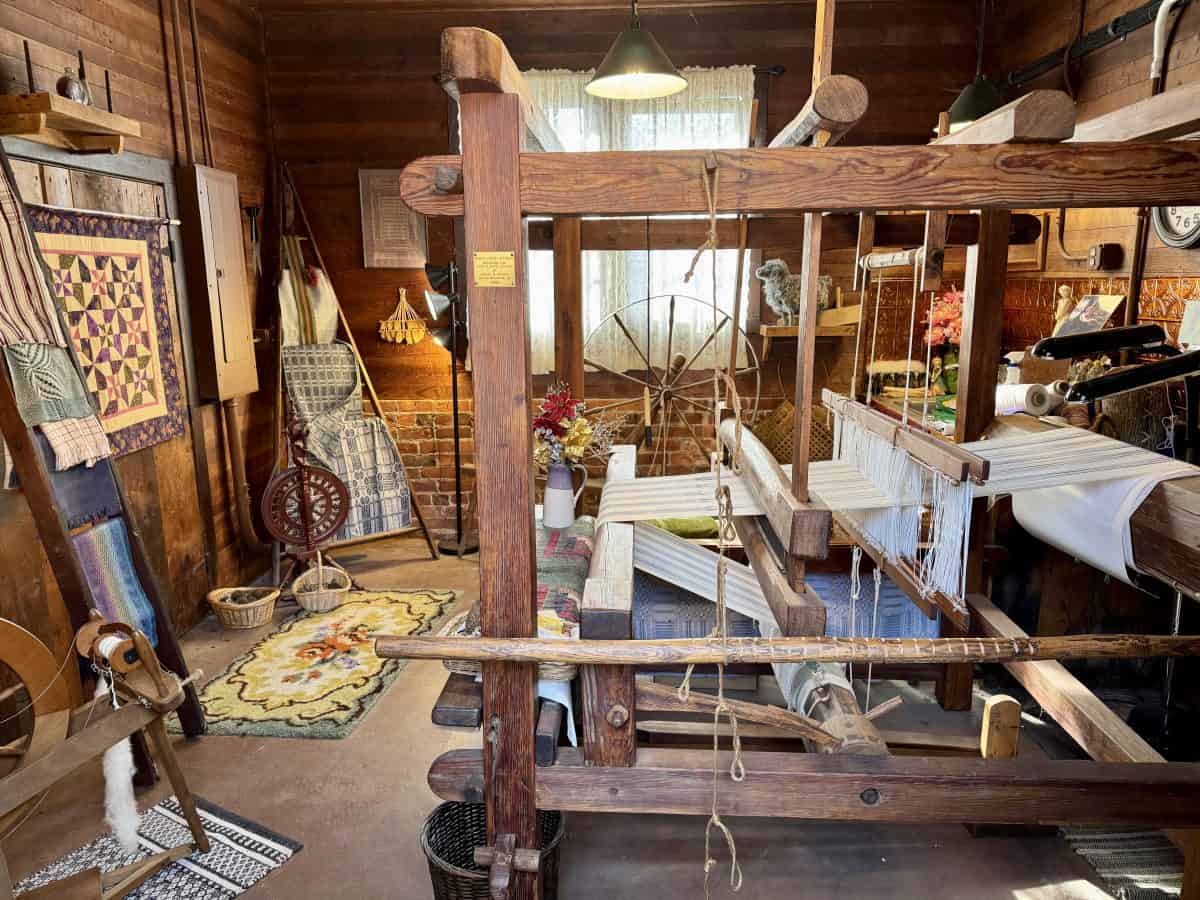
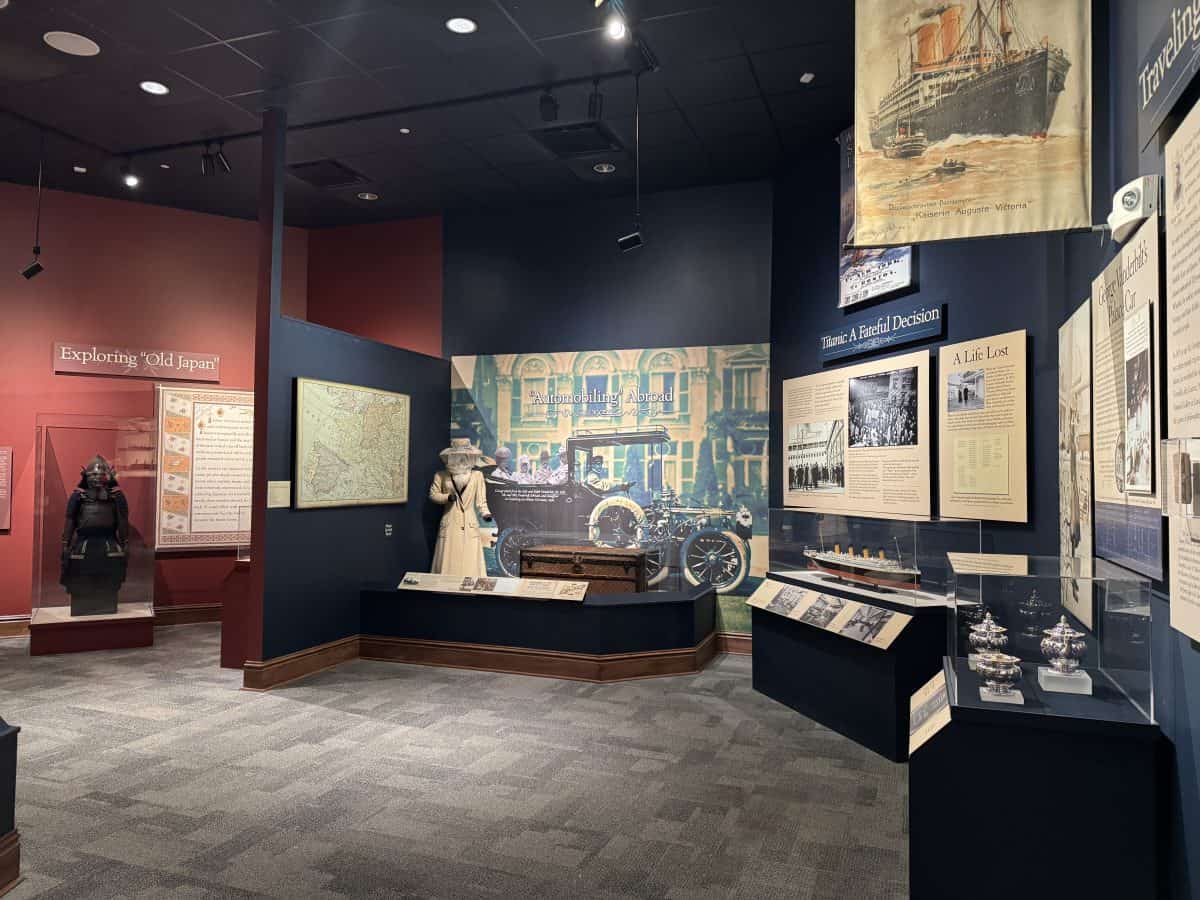
- Explore Antler Hill Village, which includes several dining, shopping, and lodging options, as well museum exhibits, a farmyard, winery, playground, and outdoor adventure center. This is a great spot for children to run around and enjoy the beautiful grounds and fresh air.
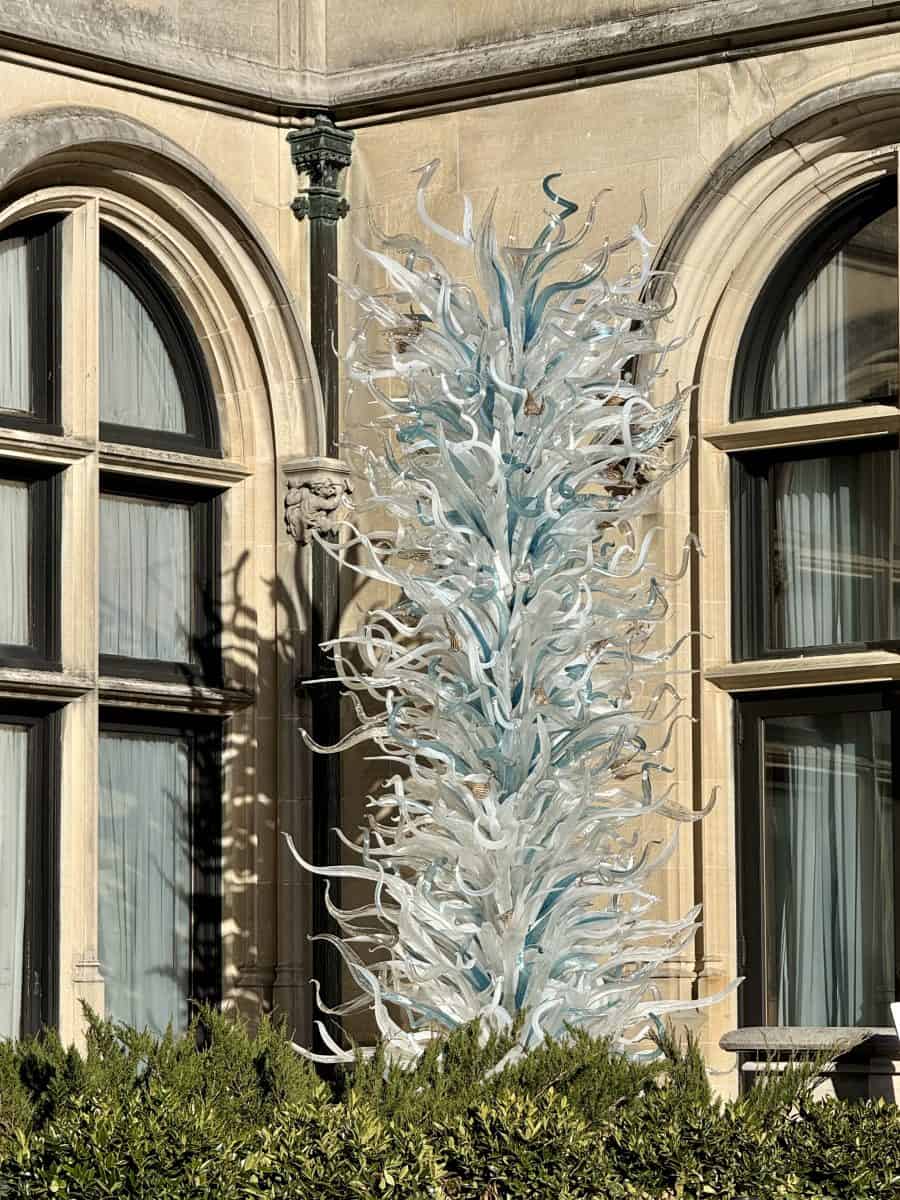
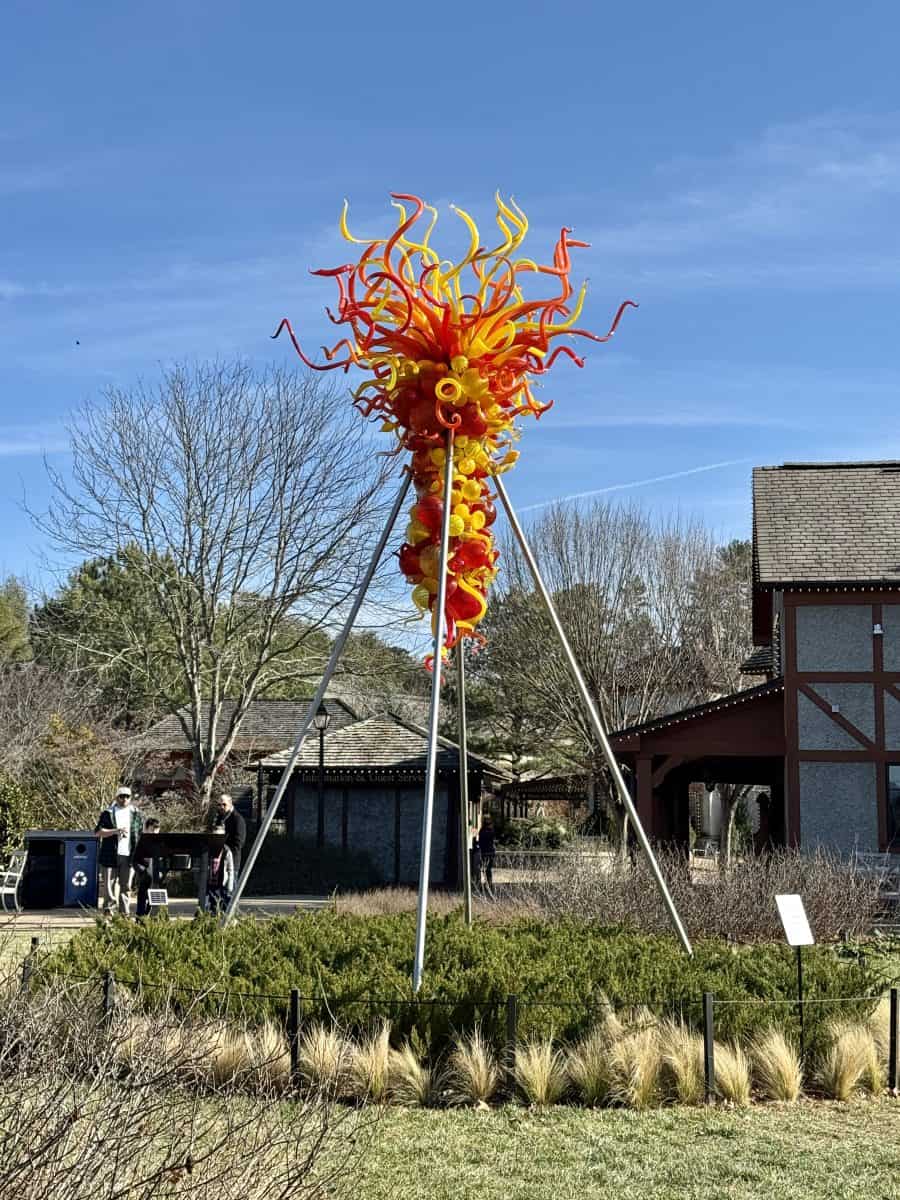
Read our full post on ways to have fun at Antler Hill Village here. - Check out the rotating exhibits at the Amherst Building: When we visited during December 2024, the popular Chihuly exhibit included a collection of Chihuly’s Western trade blankets, the Persian Ceiling (first exhibited in the Louvre in Paris in 1986), soft cylinders, chandeliers and towers designed in 1992, and the 2003 Mille Fiori garden artwork. There are also three permanent Chihuly artworks on the Biltmore property: “Winter White and Glacier Blue” outside the main estate, in the courtyard of Antler Hill Village, and inside the Biltmore Winery (in Antler Hill Village). The next exhibit, “Tutankhamun: His Tomb and His Treasurers” is set to open in late March 2024- more information here. The Amherst Building is an eight minute drive from the entrance to the property and there are restrooms and a gift shop inside the building.
- Enjoy a meal (or several) throughout the property. Biltmore Estate offers several wonderful options, from quick service to sweet treats to full service restaurants:
- Bake Shop and Courtyard Market (adjacent to Biltmore House) for quick service breakfast, lunch, and dinner options with casual seating. The Stable Café offers full service during peak warmer months.
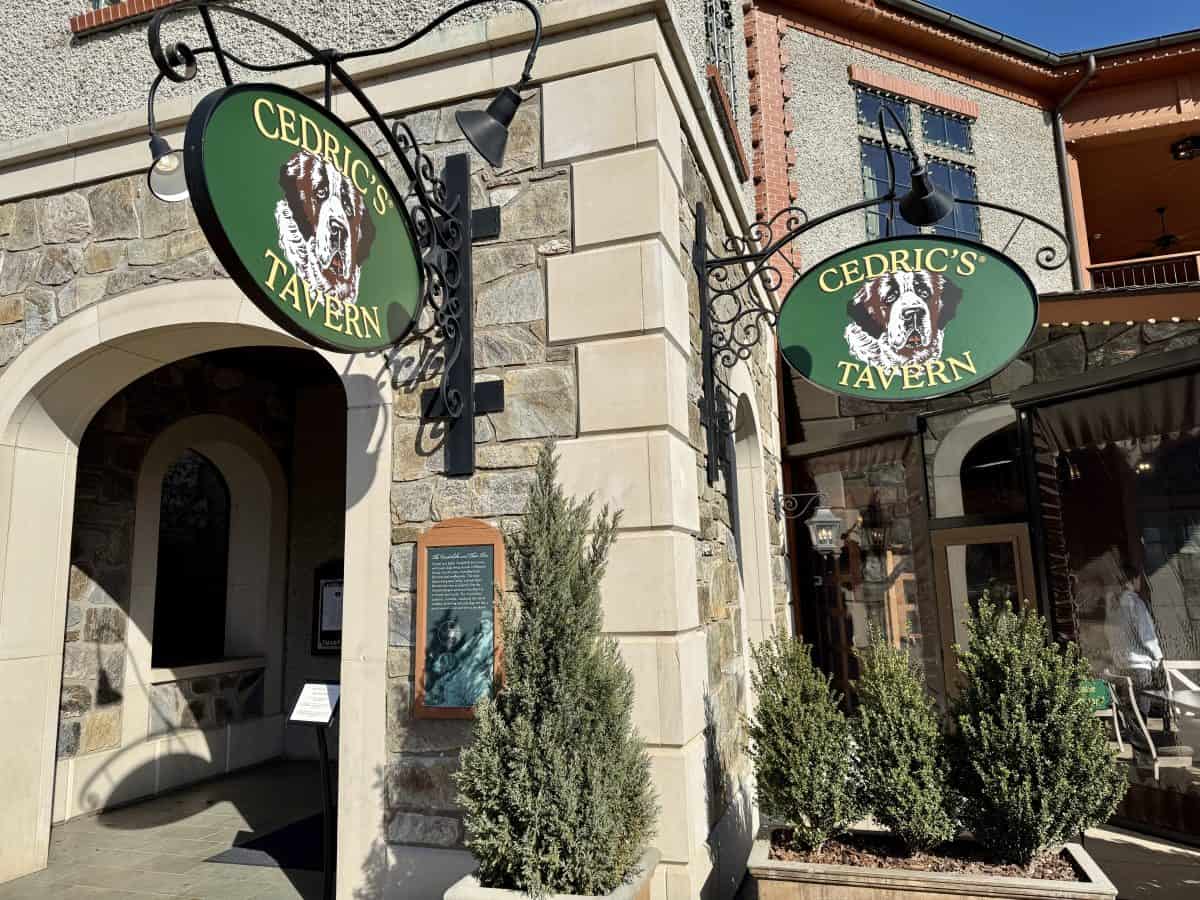
- Cedric’s Tavern (in Antler Hill Village) for full service lunch and dinner, including children’s menu
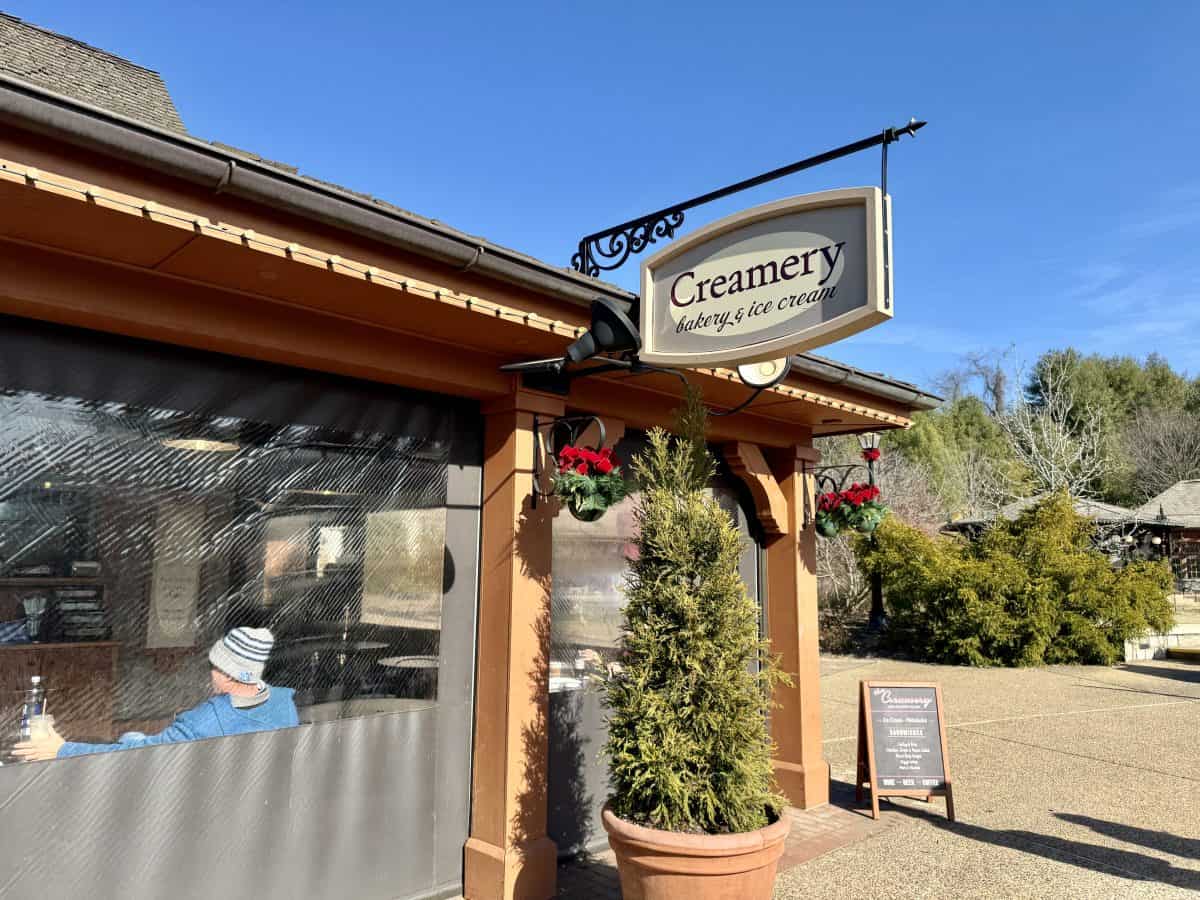
- The Creamery (in Antler Hill Village) for snacks and sweet treats
- Bistro (in Antler Hill Village) for full service dinner, including children’s menu
- Village Social (at the Village Hotel in Antler Hill Village) for breakfast and dinner, including children’s menu
- Kitchen Cafe (at the Village Hotel in Antler Hill Village) for quick service breakfast and lunch
- The Inn on Biltmore Hotel dining includes The Library Lounge for crafted drinks and pub fare late afternoon and evenings and The Dining Room for breakfast and dinner.



Be sure to see our other Biltmore features: our tour of the main house, our adventures at Antler Hill Village, and our Christmas in Asheville post. And follow along on our adventures on Instagram, Facebook, and Pinterest.