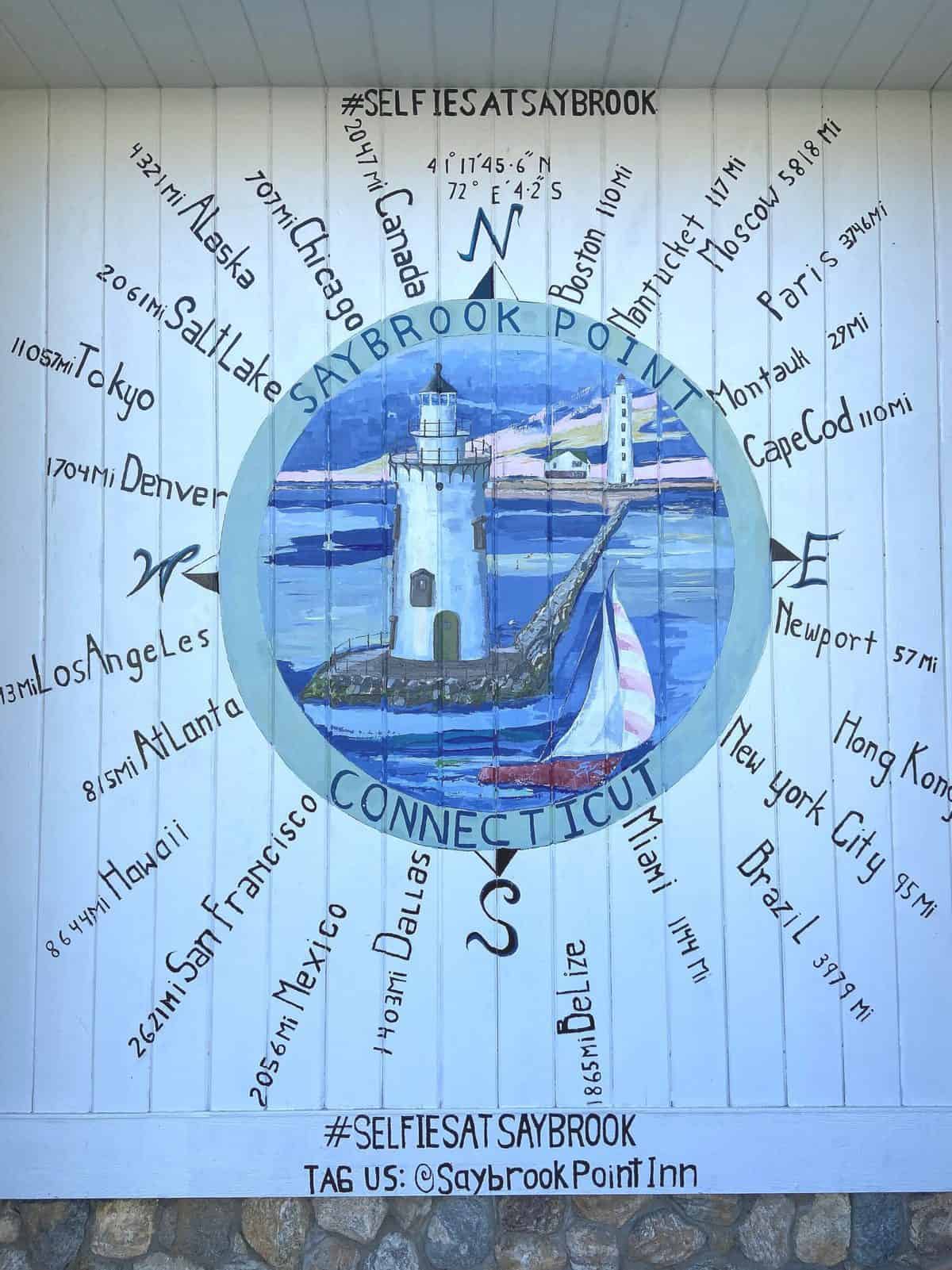
Mystic Seaport in Connecticut
My family has recently been on a nautical kick, with a weekend in New Bedford, Massachusetts and the New Bedford Whaling Museum. During a visit to Mystic, Connecticut a couple of weeks ago, Connecticut we thought we would continue to broaden our sealife knowledge with a visit to the Mystic Seaport.
Mystic Seaport, the largest maritime museum in the United States, was founded in 1929 and now welcomes almost 300,000 visitors and hundreds of school groups each year. It’s conveniently located one mile off Interstate 95, right on the water, in the picturesque town of Mystic, Connecticut. Mystic offers tons of family fun, such as the Mystic Aquarium (check out my post on the aquarium here and my full post on Mystic here). Spread out over 19 acres, the Seaport recreates 19th century life in a seafaring village with over 60 different exhibits, buildings, boats and areas to explore.
Traveling with Kids:
- There is plenty of parking across the street from the village. Be careful to cross in the crosspath and wait for the signal (it’s a busy road)
- Start in the South Entrance Welcome Center, which has a bank of restroom and information booths. Be sure to pick up a map to help you navigate and to check out the daily programming schedule.
- Discount tickets are offered for teachers and with AAA cards. You can also receive free admission on your birthday (you just need to show proof of birth date). Your ticket is valid for two consecutive days so you can take your time exploring.
- Be sure to check the website for hours; the Seaport is only open on Thursday- Sundays during the winter, but much longer hours seven days a week during the summer. There is also extensive daily programs offered during “peak” season in the summer.
- Strollers are a good idea, as there is a lot of ground to cover. Also keep a very close eye (and hand) on little wanderers. There is no fencing and there are sharp drops into the water lining the major path through the village. You’ll need to take toddlers out of the strollers to get into the smaller buildings, but I still think it’s worth it to have for piece of mind as you stroll.
- I would plan on at least 4-5 hrs to explore the major component of the village and get a good sense of 19th century “sea life”. You could easily spend the two days your admission tickets covers.
Top 10 Can’t Miss Spots:
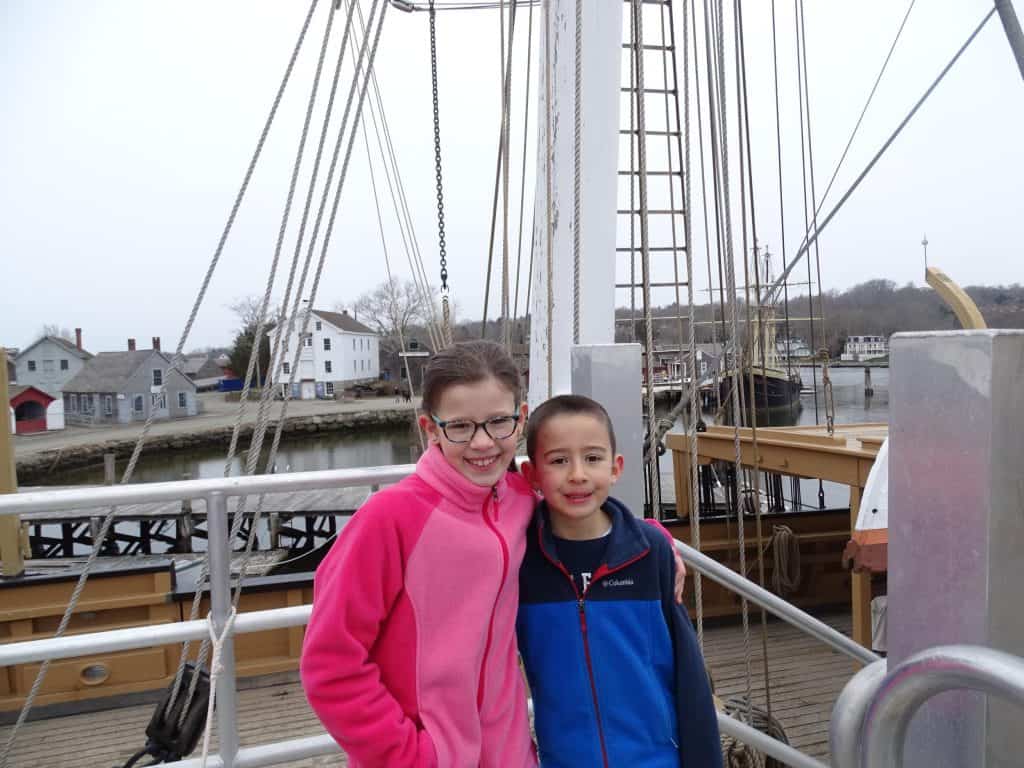
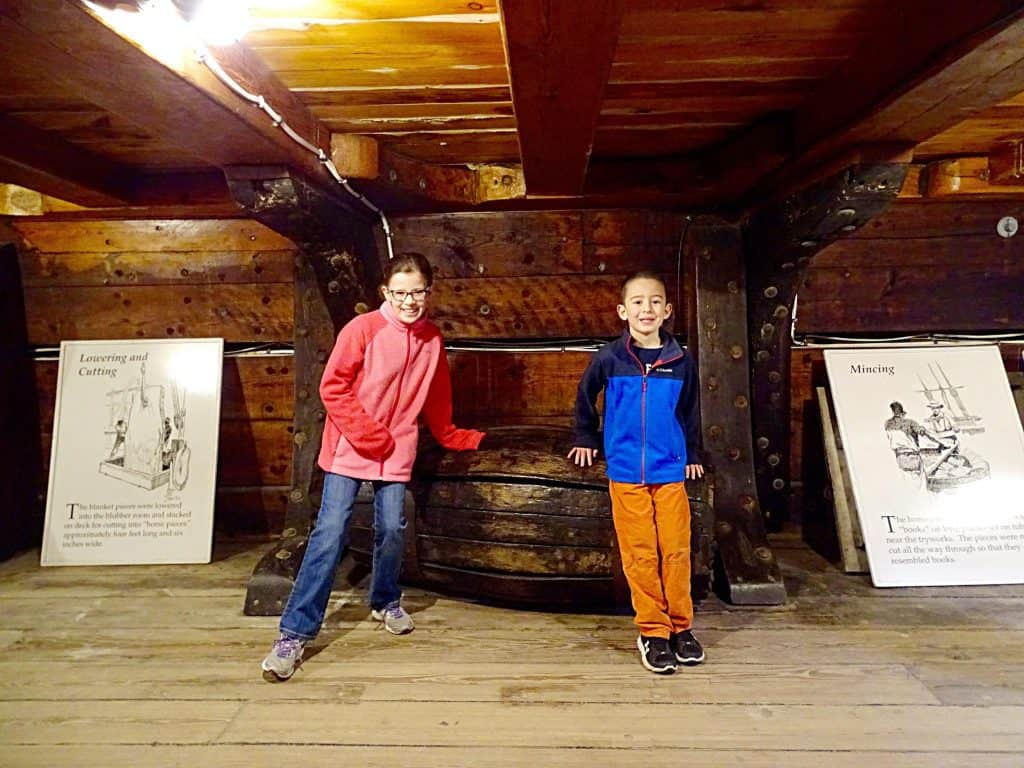
1. The three ships: The LA Dunton, the Joseph Conrad, and the Charles W. Morgan. The Conrad, built in Denmark as a training ship, was a merchant marine ship that now hosts “Ship to Shore” camp programs each summer. The Dunton is a fishing ship from the 1920s. The Morgan is the oldest wooden whaling ship in the world still afloat and was in use from 1841-1921. It’s been docked in Mystic since 1941. Make sure you go below deck to check where they carved parts of the whale and store the blubber. In the summer, you can also board the Sabino steamship for a river cruise.
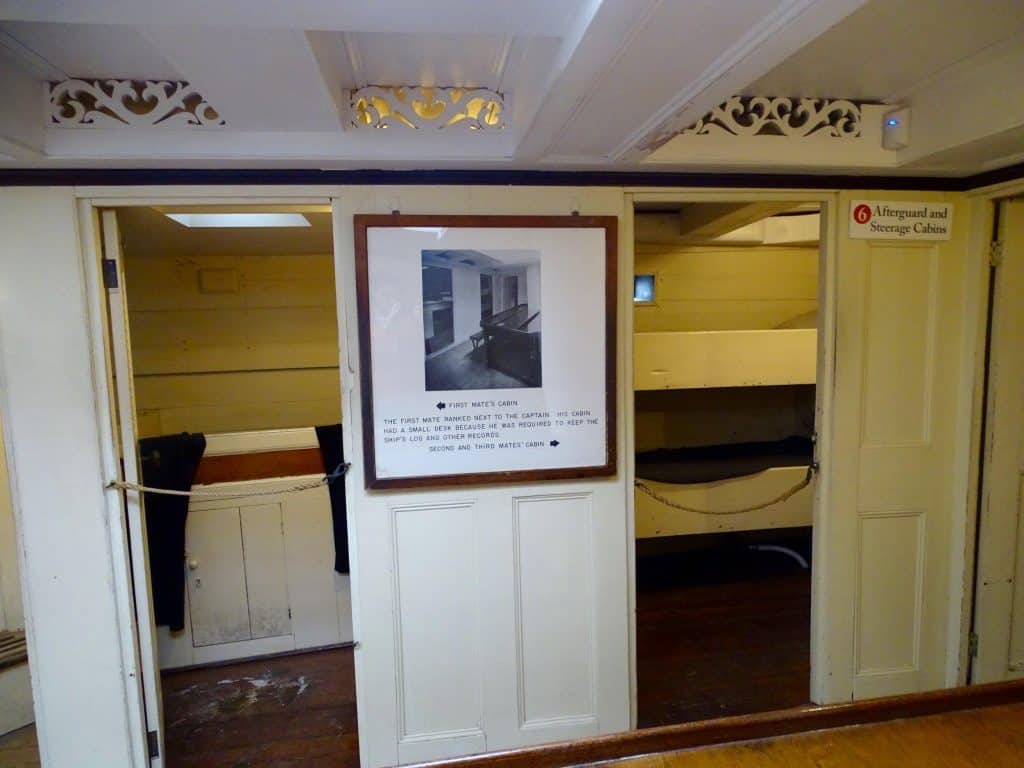
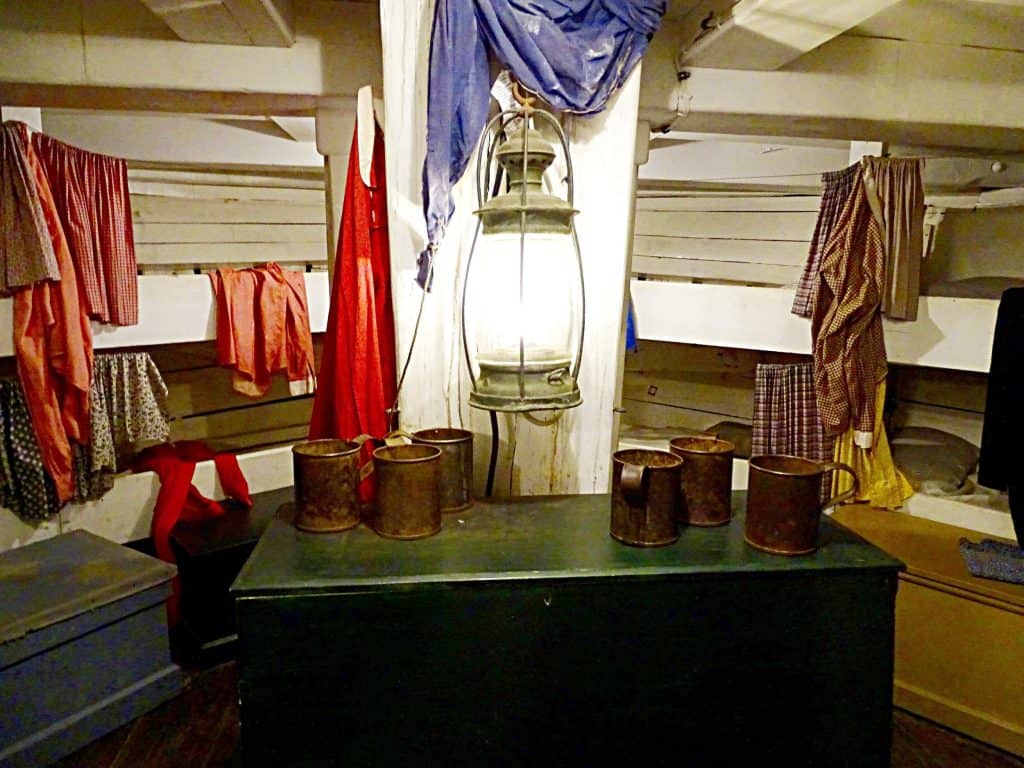
2. Voyaging in the Wake of Whalers Building which has two floors of displays encompassing the whaling industry. There is a timeline comparing “whaling news” to “around the nation” events, as well as artifacts from the whaling industry. There are videos and interactive television quizzes. The second floor has a replica cabin from the 1883 ship the Benjamin F. Packard.


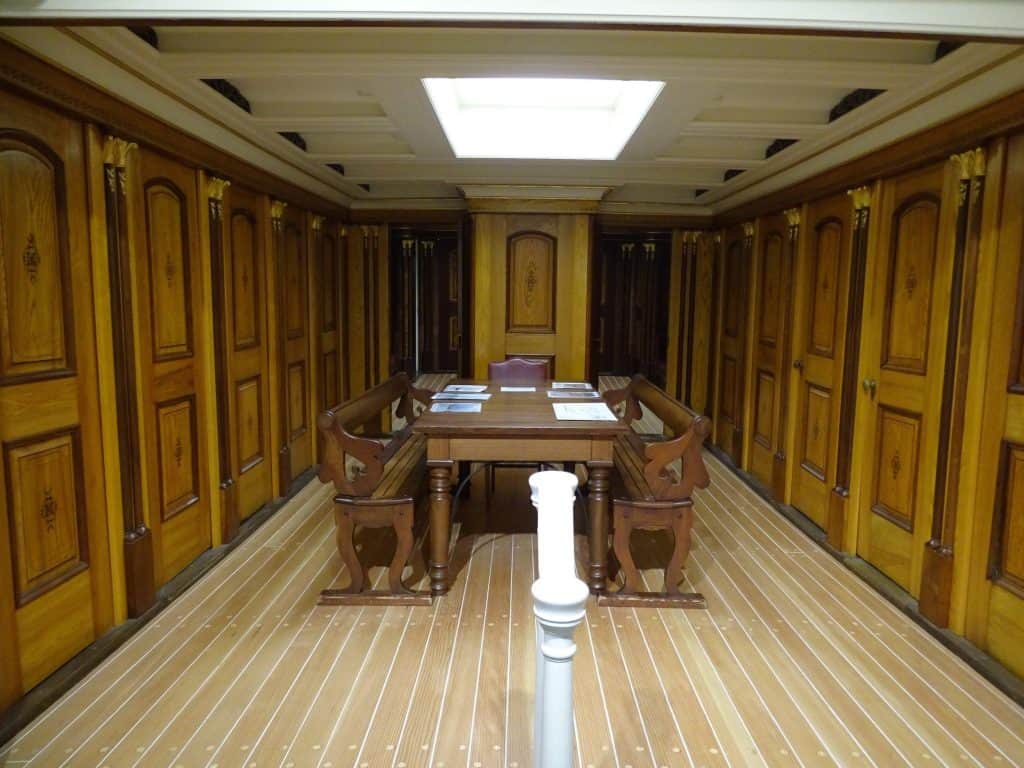
3. Children’s Museum, best suited for children under age 8, has two large rooms: one room filled with books, crafts, and blocks; and another room with a play kitchen and replica ship to “go fishing.”
4. The Buckingham-Hall House demonstrates open hearth cooking and offers classes for older teenagers.
5. Home Port, geared towards children ages 8-12, has plenty of period games, a puppet playhouse, coloring stations, a rotating art exhibit, and a gallery of figured heads once placed in the bow of various ships.
Would you like to save this?


6. The Planetarium, with a small exhibit in the lobby, and daily shows. Across the path is a great playscape with three wooden ships children can explore.
7. The Print Shop, where you can see a 1870 printing press in action and see the origins of the terms “uppercase” and “lowercase”. During the summer, there are daily opportunities for teenagers to have a hands on experience.
8. The Shipsmith, also still in use, where shipsmith make frequently used items for a shipyard, like nails, hooks for the ships’ sails, and harpoons used to hook a whale. Teenagers can also schedule an apprentice session here too.
9. The Small Boat exhibit showcases about 8 of the 500+ boats in the Seaport’s collection. During the summer (and occasional weekends during off season), children ages 4+ can also make their own toy boat to take home. (additional nominal charge)
10. The Dupont Preservation Shipyard is an actual, working shipyard where some of the Seaport’s ships are brought for repair and restoration. On any given day and time, you can see craftsmen working in paint, metalworking, lumber, and saw mill shops.


Eating Locally:
Within the village, there is the Galley Restaurant, a counter service restaurant (and ice cream shoppe!) with a full menu, and the Cafe & Bake Shop located in the gift shop across from the Welcome Center, which offers coffee, sweets (super yummy fudge!), and sandwiches. In the summer, Spouter Tavern is open for lunch with plenty of outdoor seating. Just outside the Seaport is Latitude 41 Restaurant & Tavern, which is more upscale and offers (you could guess) plenty of seafood dishes. You can leave the complex and drive less than one mile into Mystic Center to check out a wide variety of restaurants. My family’s favorites include S&P OysterCompany (a little fancier, but they do have a kid’s menu and kids will LOVE watching the draw bridge go up and down) and Red36 (which has great water views, a seasonal deck, and plenty of yummy options).


For more living history experiences, check out our adventures at Mount Vernon and Old Sturbridge Village. If you want more nautical fun, check out this post of 15 places to see boats on the East Coast. Read our full Mystic City Guide here. And along on Facebook, Twitter, Pinterest, and Instagram.