
10 Tips for Traveling in a Large City with Kids
Planning a trip for a large city and bringing the kids? We’re sharing our best 10 tips for traveling with kids to a large city. There is something energizing about the hustle and bustle of a large city that encourages people to explore them with their families. Plus there is so many great historical museums and fun outdoor attractions. To date, we’ve explored over 30 major cities (read some of our City Guides here). Over the years, we’ve learned- first hand- many ways to safely travel in a big city. Here is our best advice:
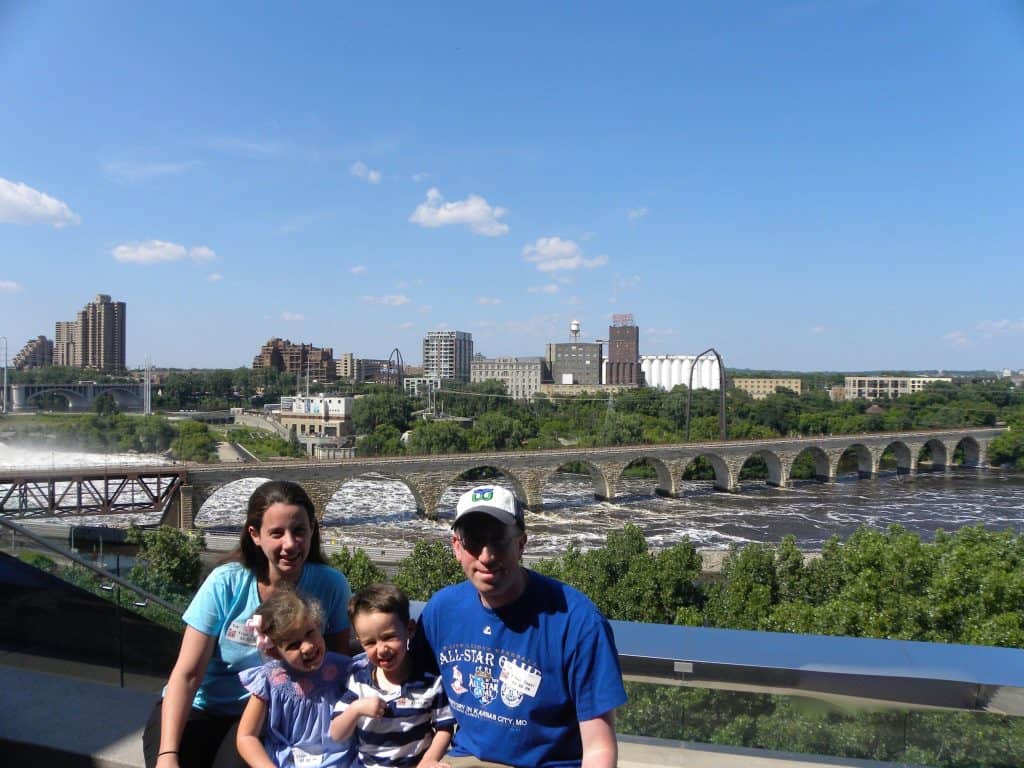
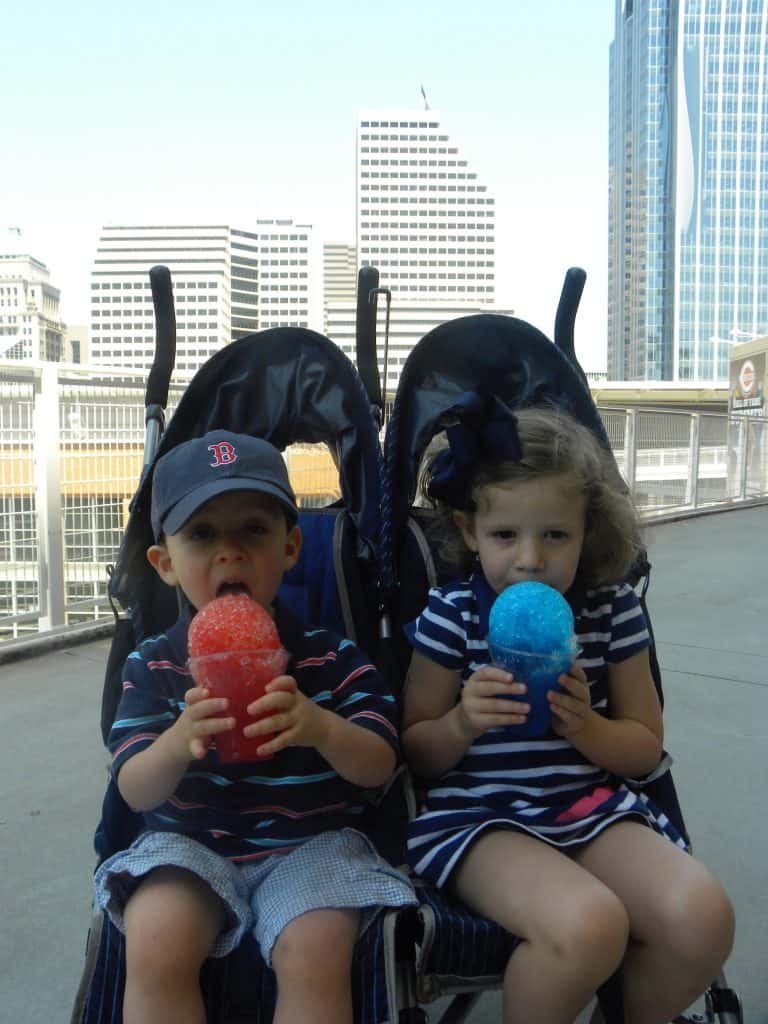
1. Bring a stroller. Up to the age of 8 or 9 years old, we always brought a stroller because eventually our children would become tired and quickly lose patience. We often felt safer with them in a stroller, contained, and with a natural barrier from other people.
BUT: Don’t bring an expensive stroller. It may be tempting to bring a larger stroller with compartments and attachments, but those strollers can be harder to navigate on busy streets. Some museums and restaurants won’t allow strollers and you might be forced to leave the stroller somewhere unattended. We always brought a $12 umbrella stroller, knowing we wouldn’t be too upset if something happened to it.
2. Wear proper footwear. When I was younger, I wore flipflops for about 8 months of the year, even when we were exploring New York City. Now I know better. Our whole family wears sneakers when we know we’ll be walking a lot. Our kids tend to have more patience and energy when their feet aren’t hurting. Sneakers are also safer for our kids if we stop at a playground.
BUT: During warmer months, consider tossing a pair of flip flops in the backpacks for younger kids in case you stop at a sprinkler park or beach.
3. Dress for the elements. Be sure to check the weather report for your location ahead of time, and dress in layers, with sweatshirts and vests that can easily come off and be stored in a backpack or tied around a waist. We always bring gloves or mittens for our kids to wear, even in fall and spring- it helps to keep their hands germ free.
BUT: Don’t dress too warmly. Keep in mind, if you’re in a big city, there will be plenty of souvenir shops where you can grab a sweatshirt to keep you warm and keep as a souvenir.
4. Pack snacks, medicine, and hand sanitizer to avoid last minute purchases. Individually packaged snacks that won’t melt (no chocolate!) are always a good option to ward off “hangriness.” Medicine for headaches or allergies, and hand sanitizer that you’ve brought home from home is a more economical choice than buying from a concession stand, hotel store, or museum gift shop.
BUT: Leave bulkier items at home. If it’s a matter of space, or comfort with a lighter backpack, leave it at home. A big city is likely to have a pharmacy on most corners where you can grab last minute supplies.
5. Go to the bathroom wherever and whenever you can. Most people think of using a restroom before they leave home or a hotel room, but take notice of places you visit. Museums and restaurants will have restrooms and encouraging the whole family to wash up before you eat or after you’ve explored a museum and inevitably touched a variety of surfaces is always a good idea.
BUT: Bring TP Kits with you for emergencies. They take up practically no space, are super lightweight, and are completely biodegradable.
Would you like to save this?
6. Charge your phone ahead of time. You’ll want to search for cabs or Ubers, fact check admission hours and rates, confirm directions, and take lots of photos. All of these apps will take a lot of battery power. Bring a portable charger for backup- we ordered this one from Anker.
BUT: If you’re concerned about carrying a lithium battery (esp. If the temperatures are super hot or super cold), bring an outlet charger to use if you take a break at a restaurant.
7. Explore new places to eat. Look for local recommendations- ask staff at a hotel or museum you are visiting for their favorite spot. Try experimenting for lunch over dinner. We tend to visit the “fancier”, “nicer” restaurants for lunch when the prices are more economical and the crowds are usually smaller.
BUT: Sometimes, especially if you’ve been traveling for days or weeks, you’ll want the comfort of familiarity. Every once in a while, we end up with take out from Olive Garden that we bring back to the hotel and eat while watching a favorite television show together.
8. Look for multiple attraction tourism passes. Most major cities have tourism tickets that include several popular locations. CityPASS is our go-to option whenever we research a new city to visit. CityPASS is available in 14 major US cities, and offers up to 7 attractions in each city. We have found that if we’re planning on visiting at least two or three of the attractions in the list, we save a lot of money by purchasing the CityPASS.
BUT: Also look for dates and times that popular attractions offer free admission or pay-what-you-wish admission fees. Bank of America also has a great Museums on Us program that offers free admission to over 200 cultural institutions for Bank of America customers during the first full weekend of every month.
9. Have a back up plan. We always like to verify admission hours and rates ahead of a trip, but some things are out of your control- like a last minute closure, traffic, and the weather. I wrote about the best ways to have a backup plan in this post.
BUT: When nothing else seems financially reasonable, or safe, head back to the hotel and let the kids burn energy in the pool, or watch Netflix and order takeout from a local spot.
10. Keep in mind some tried and true things to do. Whenever we’re in a new city (especially a capital city) we always check out:
- National Park sites- Our favorite activity is hands on learning about the history of our country through friendly, helpful rangers and tons of daily activities. A majority of the sites are free to visit.
- Tours of a state capitol building- A great way to learn the history of the state and the buildings are always architecturally beautiful. (see our posts on the New York Capitol, Vermont State Capitol, Massachusetts Capitol, Rhode Island Capitol,Pennsylvania Capitol Wyoming State Capitol, Colorado State Capitol, and Arkansas Capitol.
- State Parks– Usually free for state residents and a nominal fee for out of state visitors, there are safe hiking trails, museums to explore, and concession and restroom facilities in many locations.
- Look for local parks and, during summertime, sprinkler parks. Pay attention to parking signs (for residence only, or public) etc.
Follow along on our adventures on Instagram, Twitter, Facebook, and Pinterest.


As a mama to be, this was so helpful! Also love to see that you’ve visited Chicago, I’m from the Chicago suburbs 🙂 Great post!
As a mama to be, this was so helpful! Also love to see that you’ve visited Chicago, I’m from the Chicago suburbs 🙂 Great post!
As a mama to be, this was so helpful! Also love to see that you’ve visited Chicago, I’m from the Chicago suburbs 🙂 Great post!
I don’t have kids yet, but I am sure these tips are gonna come in handy in the future. Thanks for sharing these
I don’t have kids yet, but I am sure these tips are gonna come in handy in the future. Thanks for sharing these
I don’t have kids yet, but I am sure these tips are gonna come in handy in the future. Thanks for sharing these
Amazing! I know nothing about traveling all over the country, what a wonderful looking place to explore.
Amazing! I know nothing about traveling all over the country, what a wonderful looking place to explore.
Amazing! I know nothing about traveling all over the country, what a wonderful looking place to explore.