10 Spots to See on the Tour of the Kennedy Center in Washington, D.C.

| | |

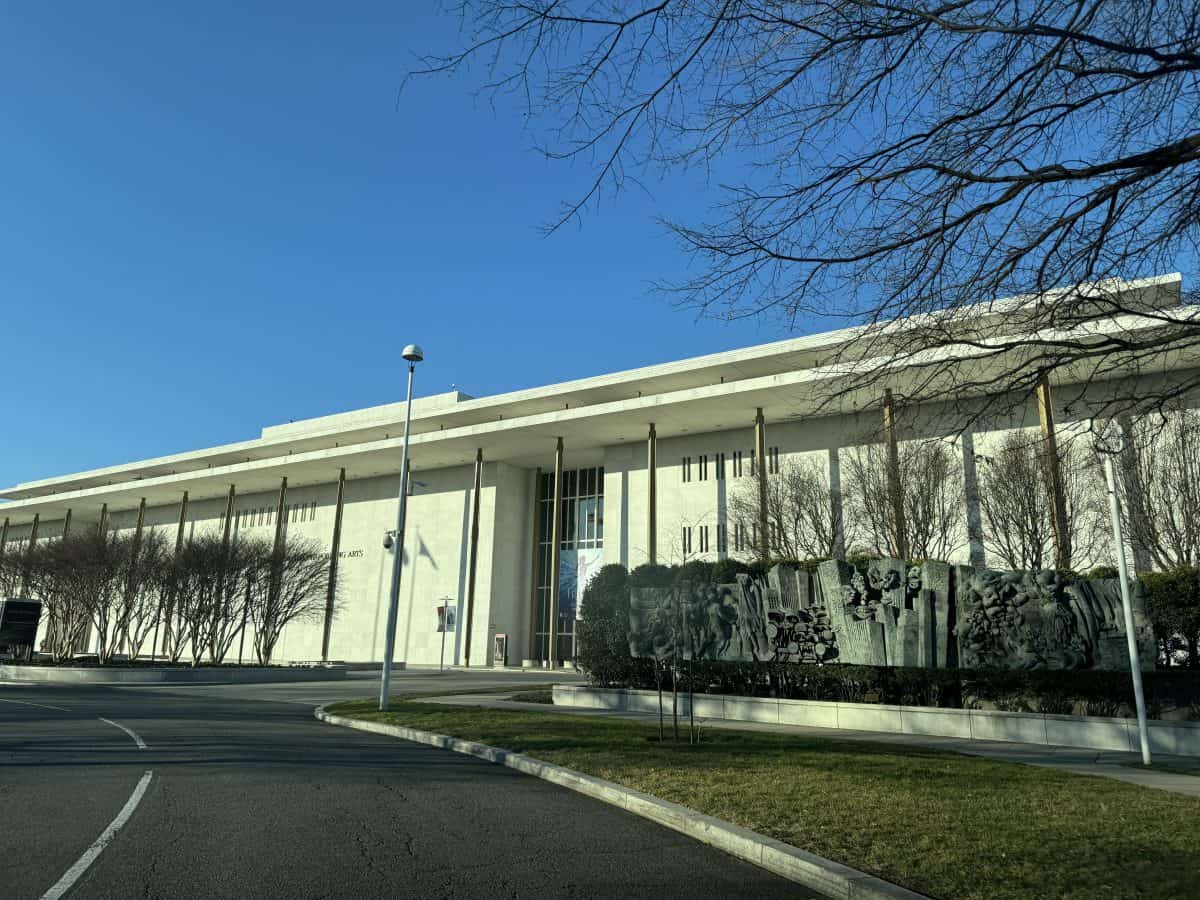
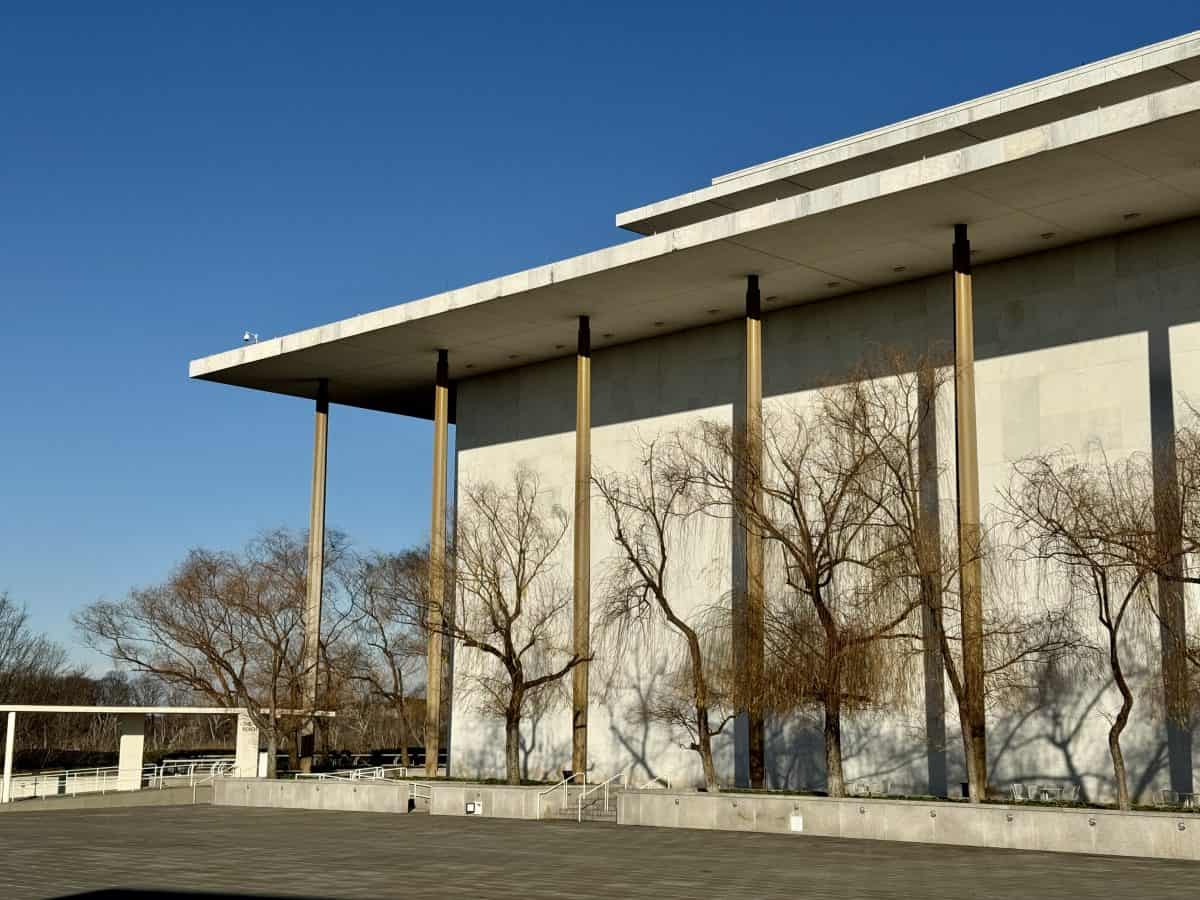
One of the premier performing arts centers in the world, the Kennedy Center for the Performing Arts was the vision of President Dwight D. Eisenhower. It was originally going to be named the National Cultural Center, but after John F. Kennedy’s assassination in 1965, the center was named in Kennedy’s honor as a living memorial to the former president. Over 30 countries donated various gifts (mostly art work) which are on display throughout the Kennedy Center and over a dozen reception rooms.  The Kennedy Center has three instinct performing centers: The Concert Hall, the Opera House, and the Eisenhower Theater. The Kennedy Center is also home to the National Symphony Orchestra and the National Washington Opera.
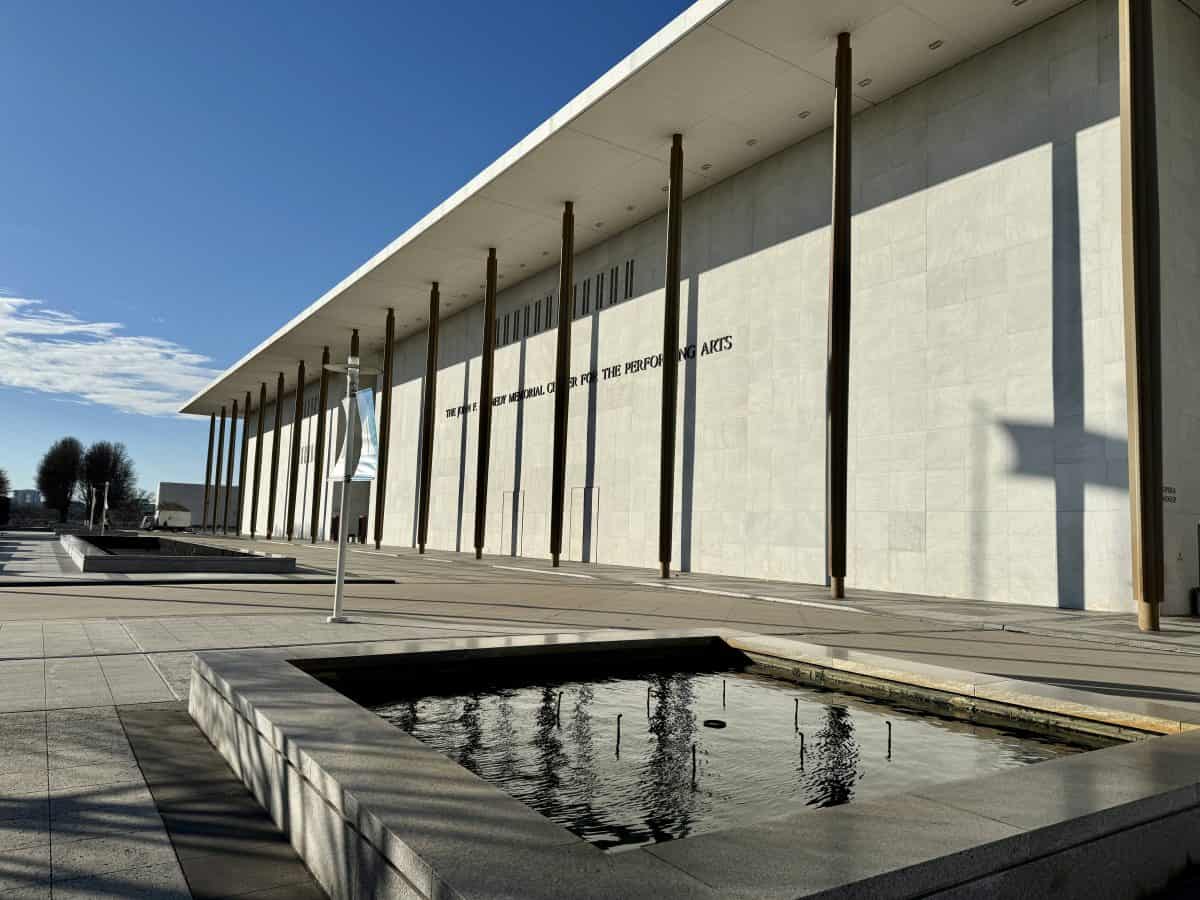
Today, the Kennedy offers daily programs and events that range from theater, dance, and music to comedy, film, and exhibitions. Many events are free and open to the public, and there are tons of children focused programs.
Travel Tips:
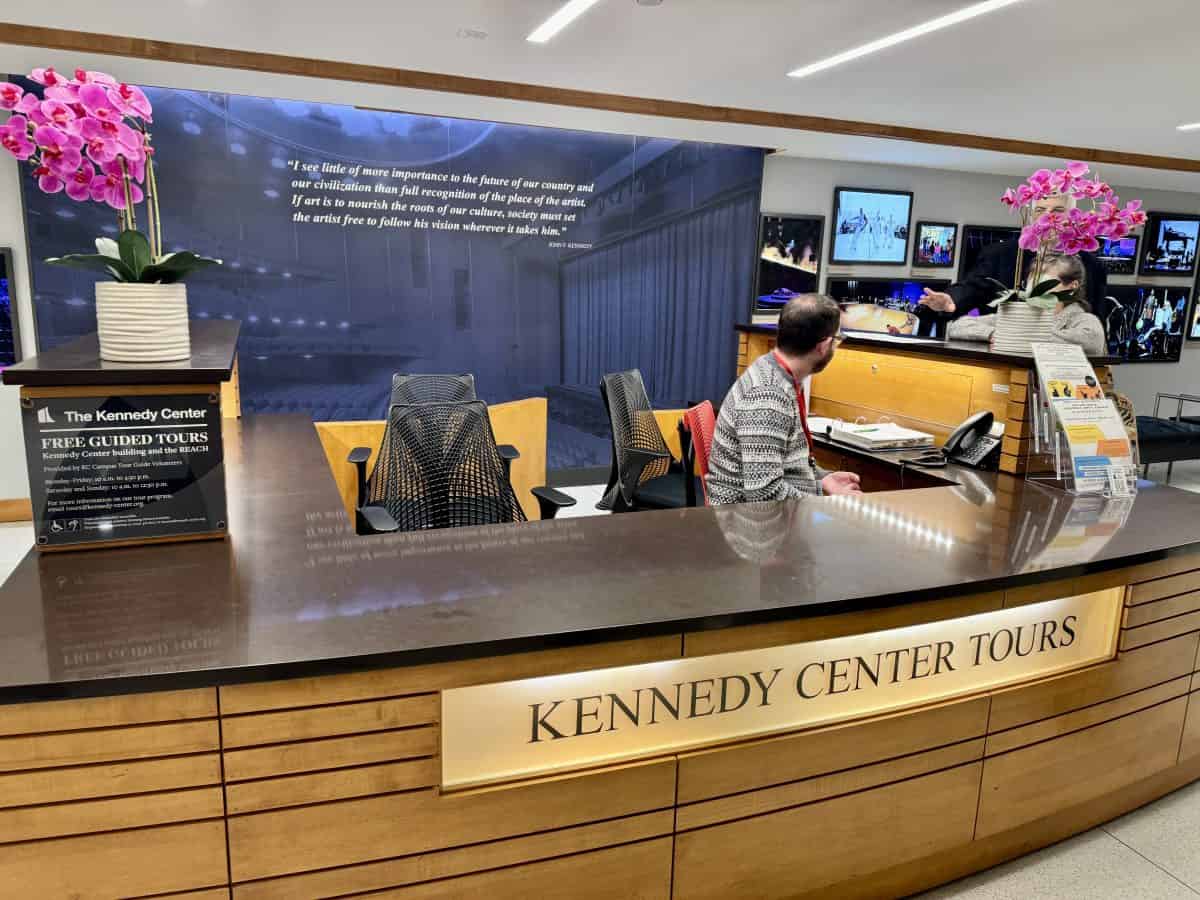
  • The Kennedy Center offers FREE, guided tours from 10am-4:30 pm during the weekend and from 10am-12:30pm on the weekends. Visitors do not need to make reservations ahead of time, unless in groups of 15+ visitors.
  • There are also guided tours of REACH, KC Campus Highlights, and exhibit highlights- check here for more information.
  • Note: The Kennedy Center doesn’t open to the public until 10am, so don’t get there super early unless it is a warm weathered day and you can walk the grounds. Also, the website states tours start at 10am, but it’s really closer to 10:15am.
  • Visitors must check in for tours are on level A, accessible via the parking garage (take the elevator up to level A to the tour desk) or through the main entrance (then take the elevator down to level A to the tour desk).
  • There is a large parking garage underneath the Kennedy Center; there is a slight discount for reserving your parking spot online ahead of time. Check here for information about public transportation and driving directions. 
  • Restrooms are only available before the tour starts and are located near the tour desk.
  • There are two gift shops selling a wide variety of souvenirs, apparel, and gifts; located across from the Tour Desk and in the Hall of Nations.
  • No dining options on site during tours, but the Tazza Cafe is located across the street (New Hampshire Avenue NW). Other dining options can be found here
  • Plan on 75 minutes for a guided tour. Here is a good map of the complex.

Ten Stops on the Kennedy Center Tour:

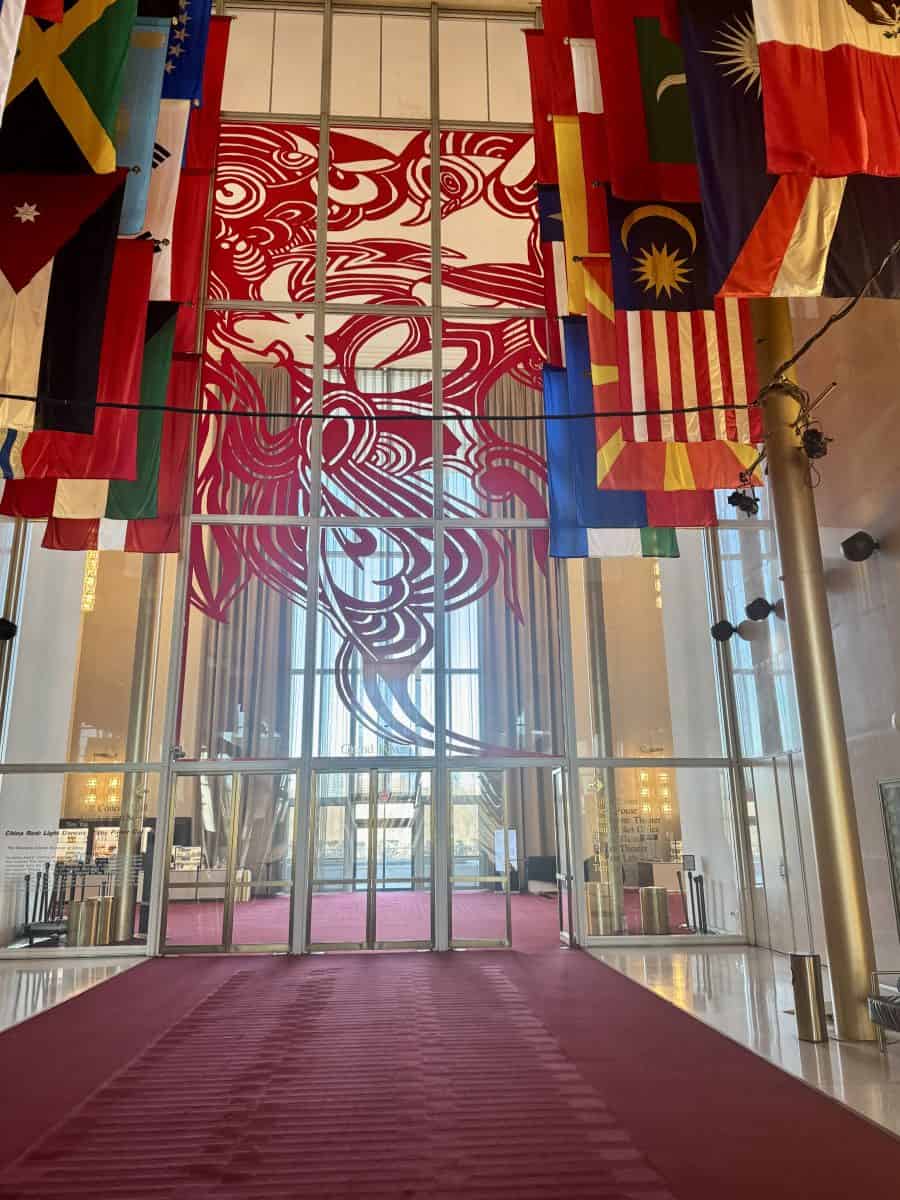
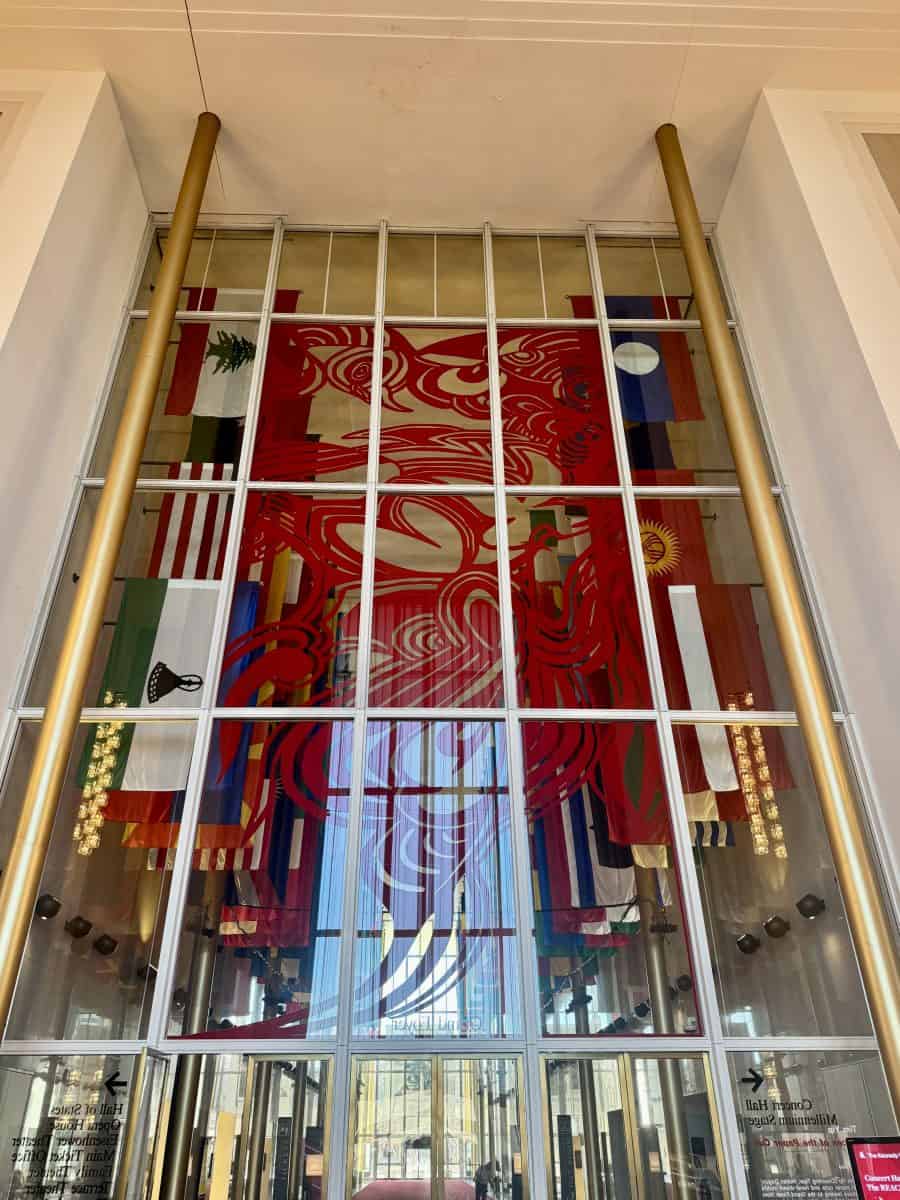
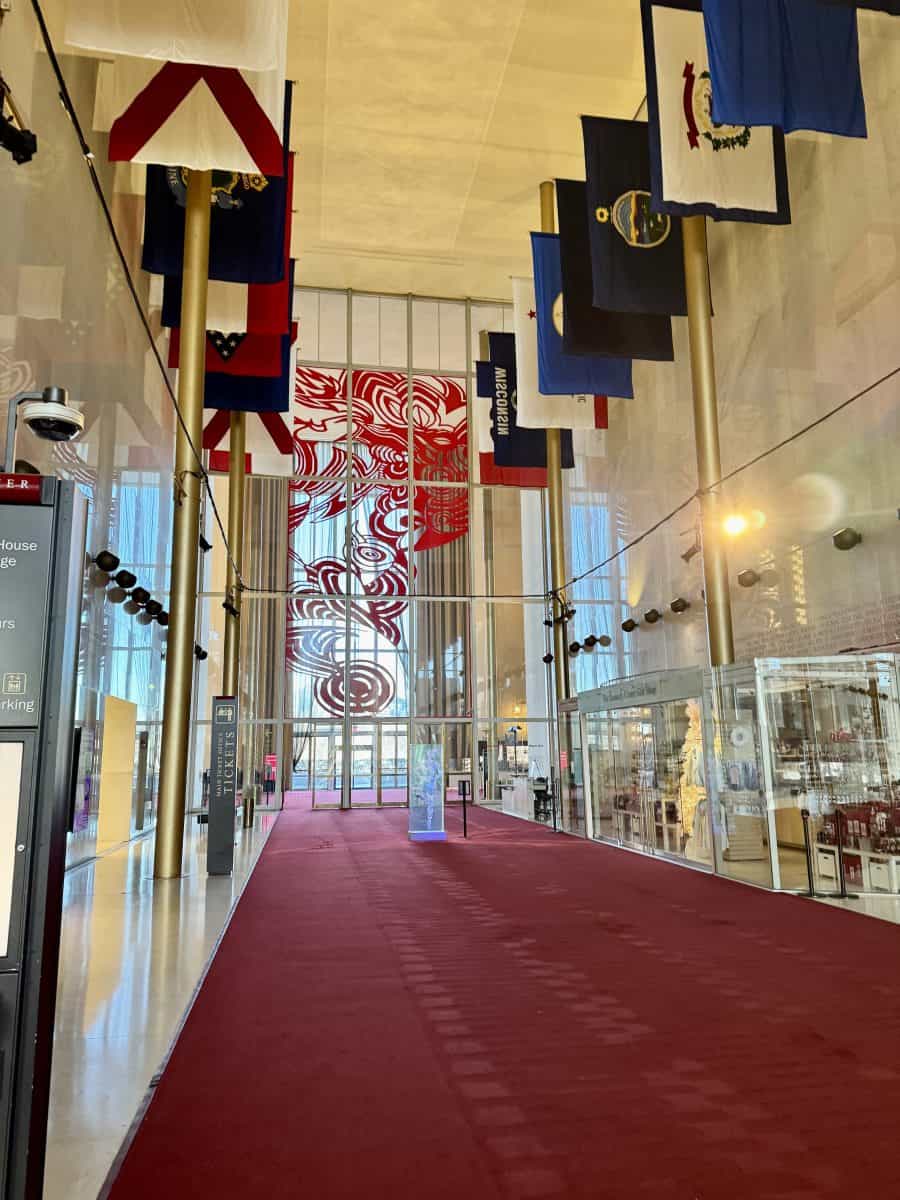
  1. The Hall of Nations displays a flag for every state and territory country which is considered a diplomatic “friend” of the United States. The Hall includes over 3,700 tons of carrara marble for the floors and walls, donated by Italy as a gift.
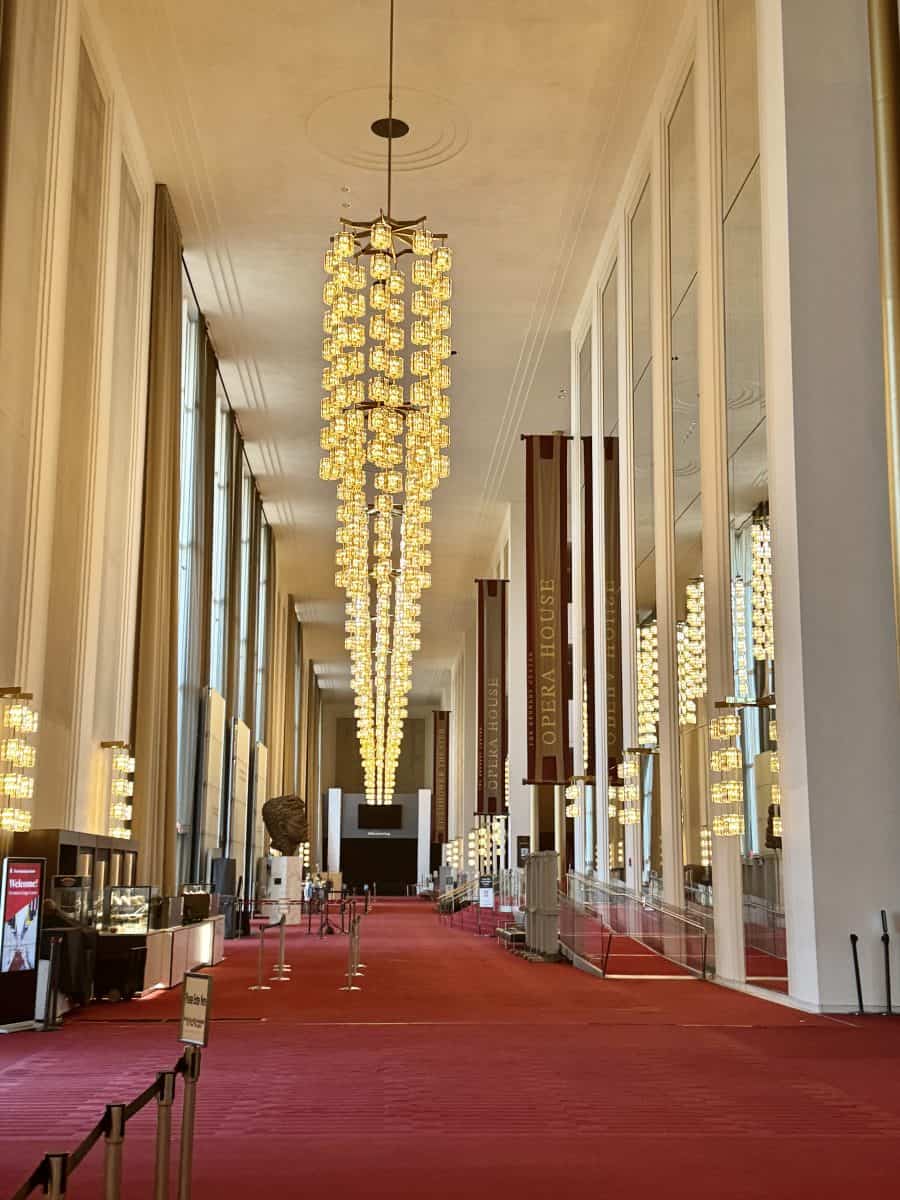
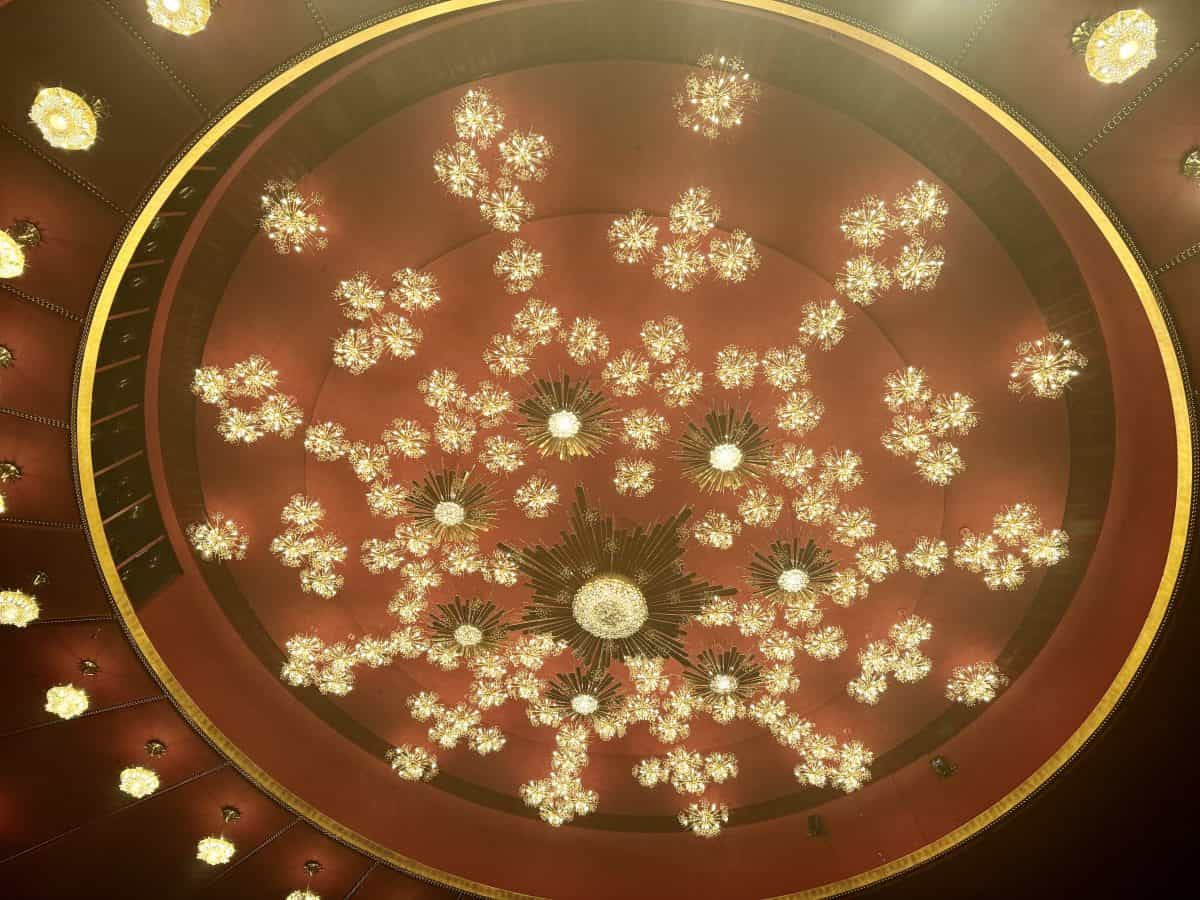
  2. The Grand Foyer has 16 chandeliers, each weighing over one ton, donated by Sweden. The room is 3460 feet long, feet wide, and feet tall. Either end of the Grand Foyer has a small stage, where free, or low cost, performances are offered several days a week. 
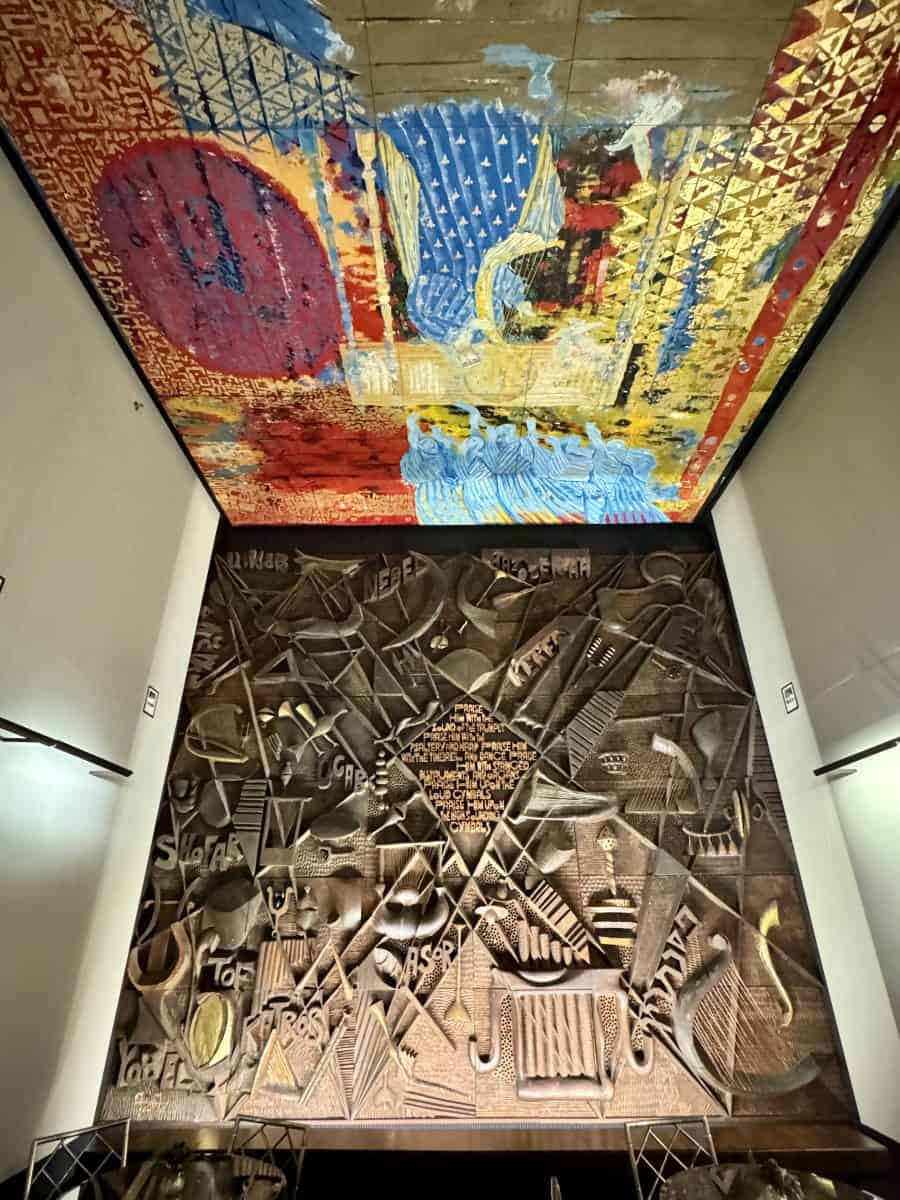
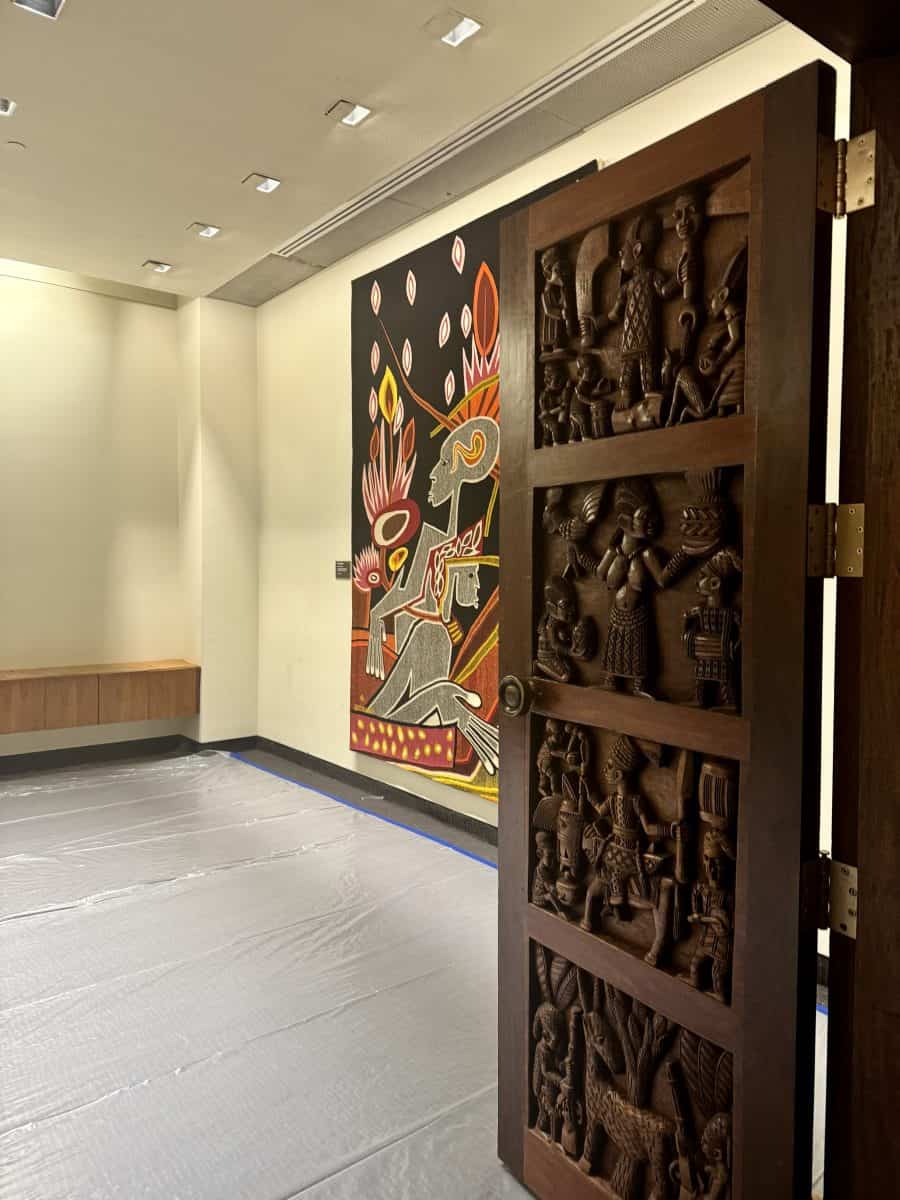
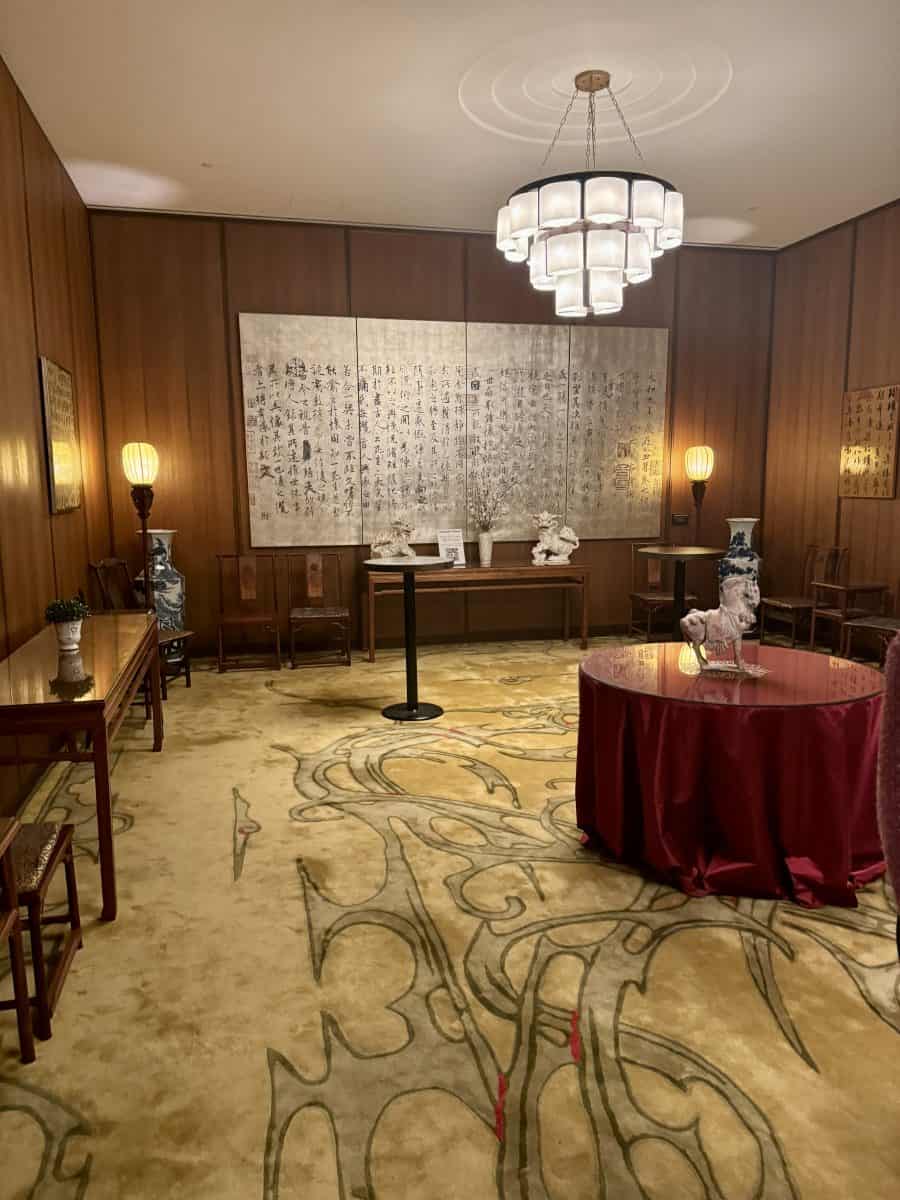
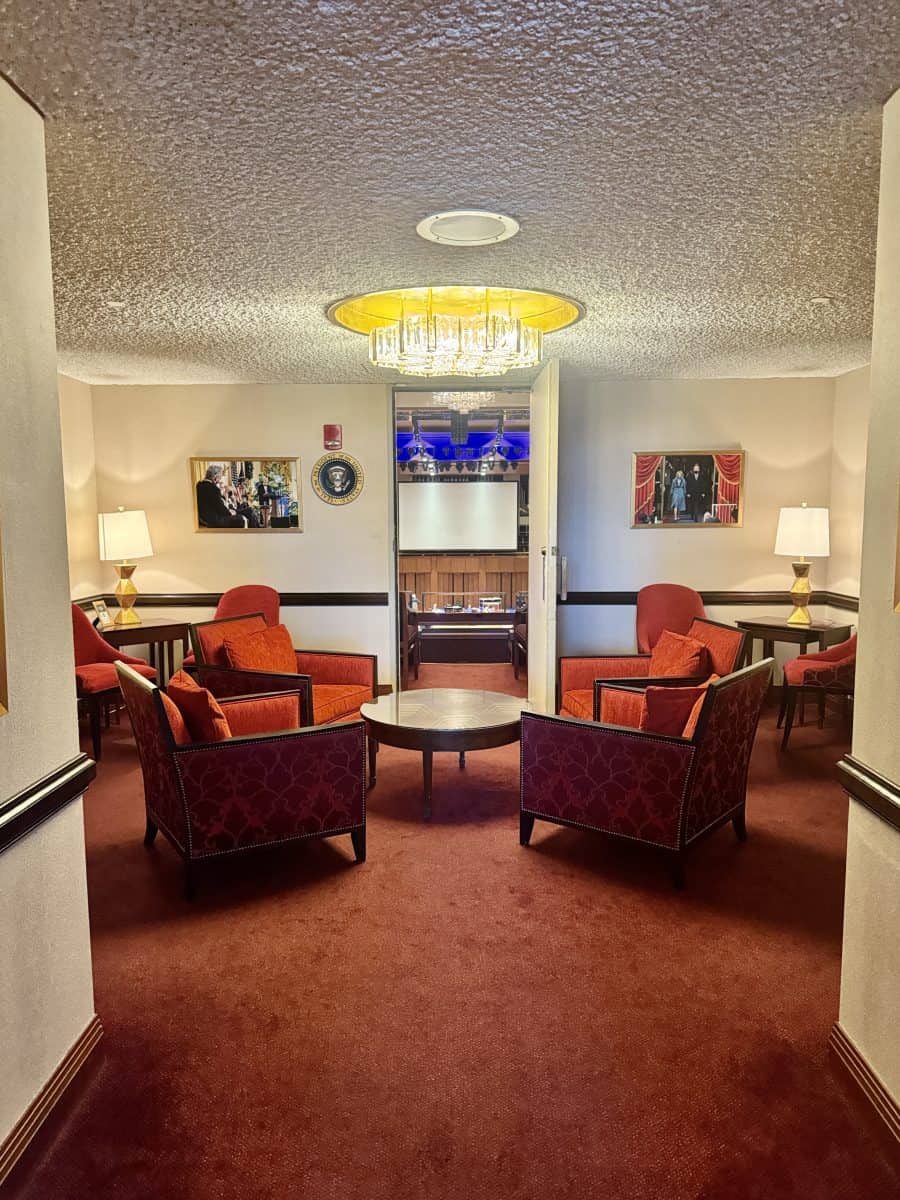
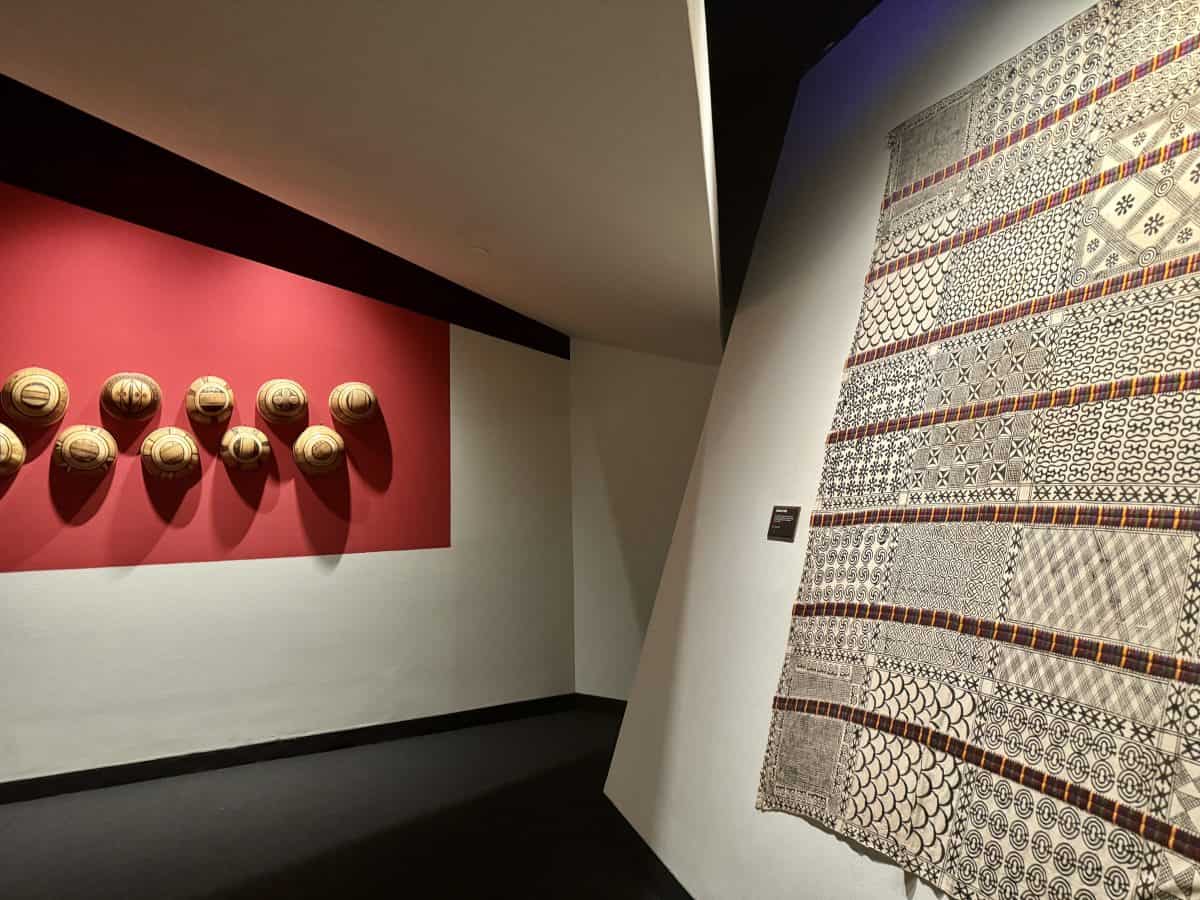
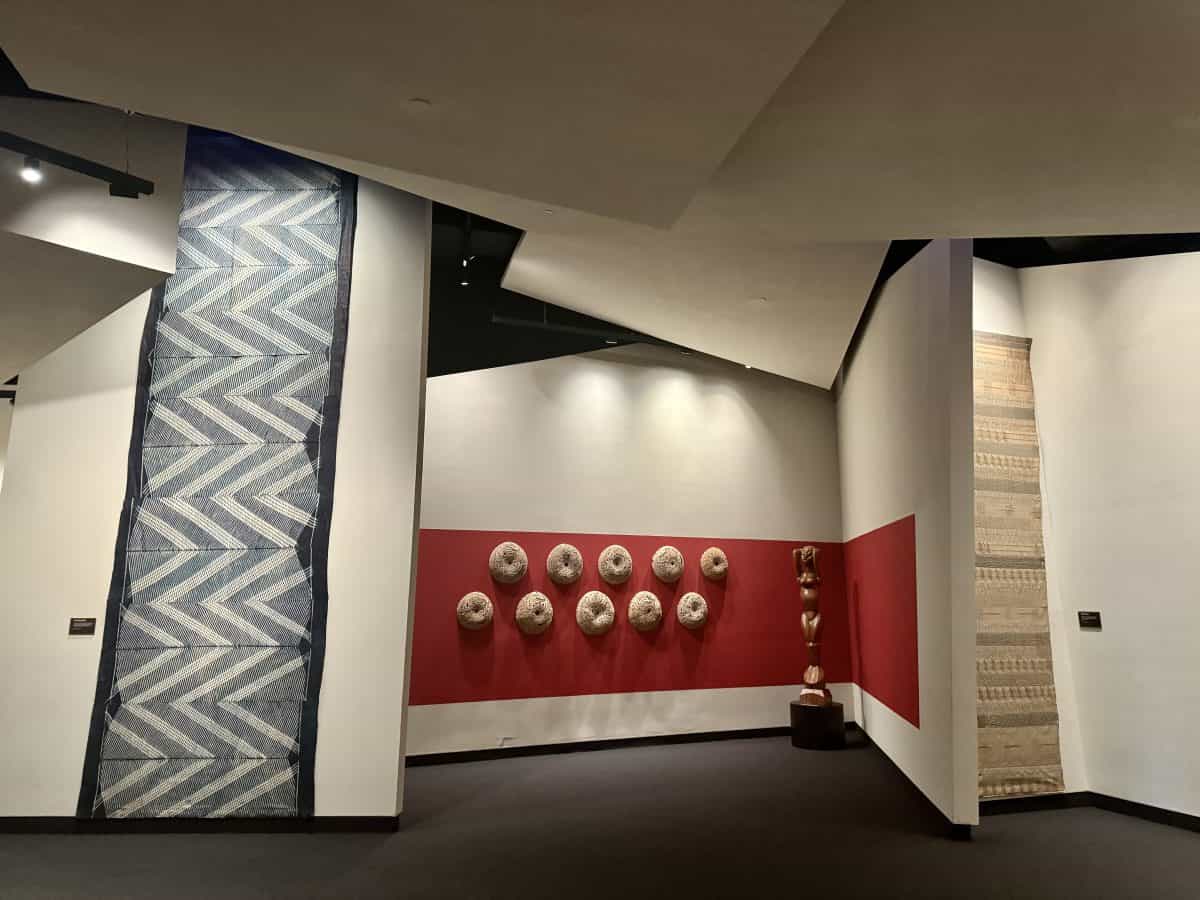
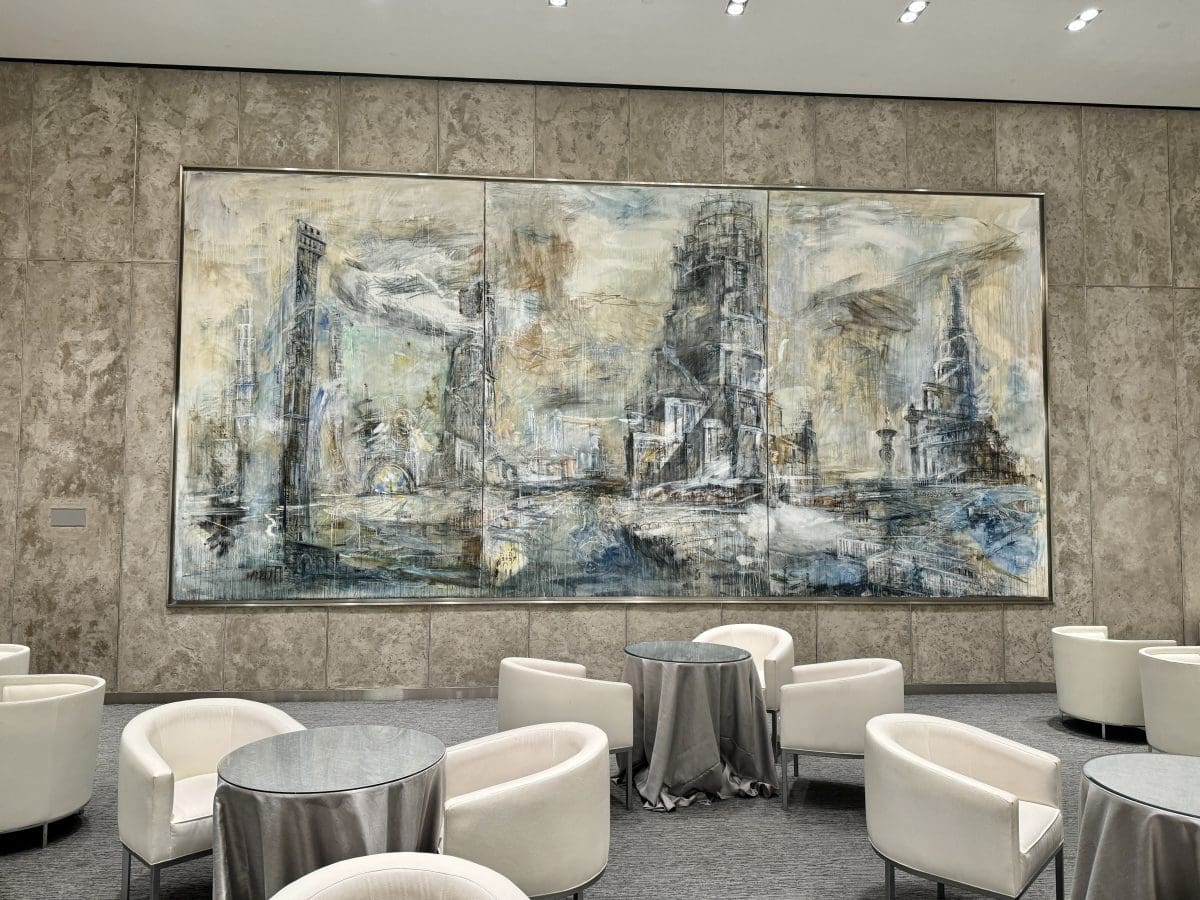
  3. Some of the lounges used for cocktail receptions, intermission gatherings, and press conferences. Most tours visit two or three lounges, including the Israeli Lounge (with the massive art installation made of walnut  depicting instruments with the Israeli name and ceiling panels painted with scenes from the Old Testament), the Opera House Circus Lounge (the most recently renovated and modern lounge with a three painting linen panels, a gift from Russia), and the African Lounge (which has no 90 degree angles with any wall or ceiling, and has a pair of carved wooden panels from a 700 year old tree), and the Chinese Lounge (donated by the People’s Republic of China and displays a large piece of calligraphy art). 
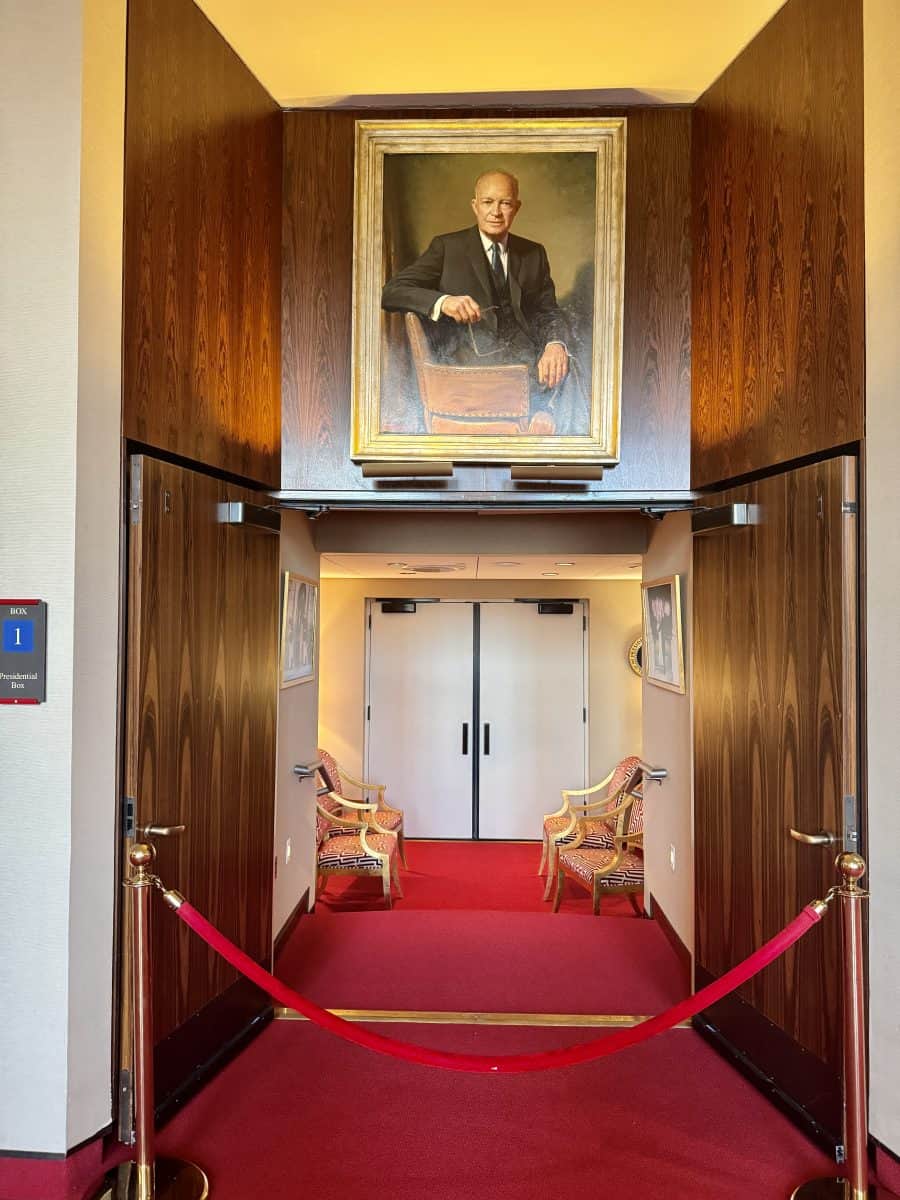
  4. The Presidential Box in each of the three theaters. Controlled by the White House (and therefore, tickets must be arranged through the White House), each Presidential Box has the seal of the White House and decor decided by the First Lady (or Second Gentleman).  The Presidential Box has seating for 8-12 people depending on the theater.
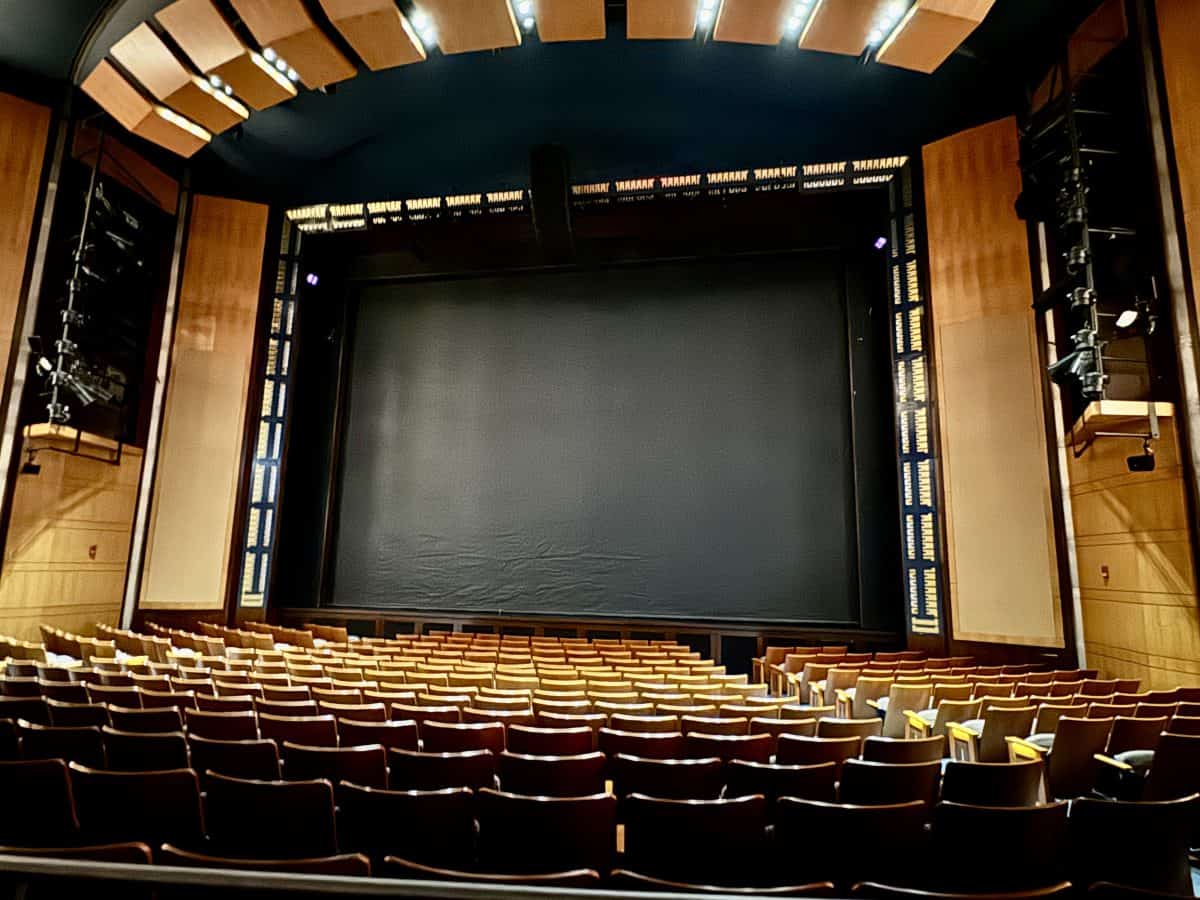
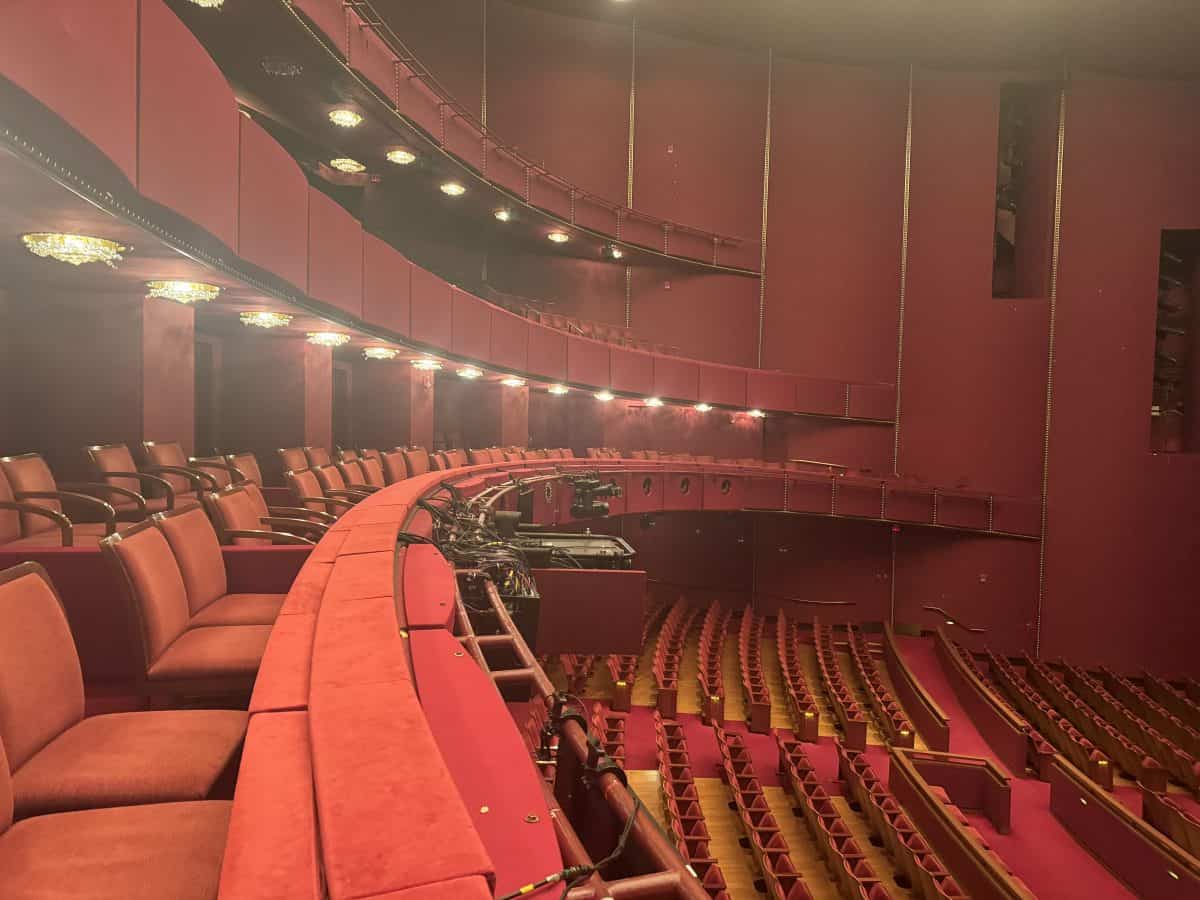
  5. The Concert Hall is home to the National Symphony Orchestra. The theater has 3,465 seats and seven crystal chandeliers, a gift from Norway, that can be lowered by hydraulics to be cleaned every few years.

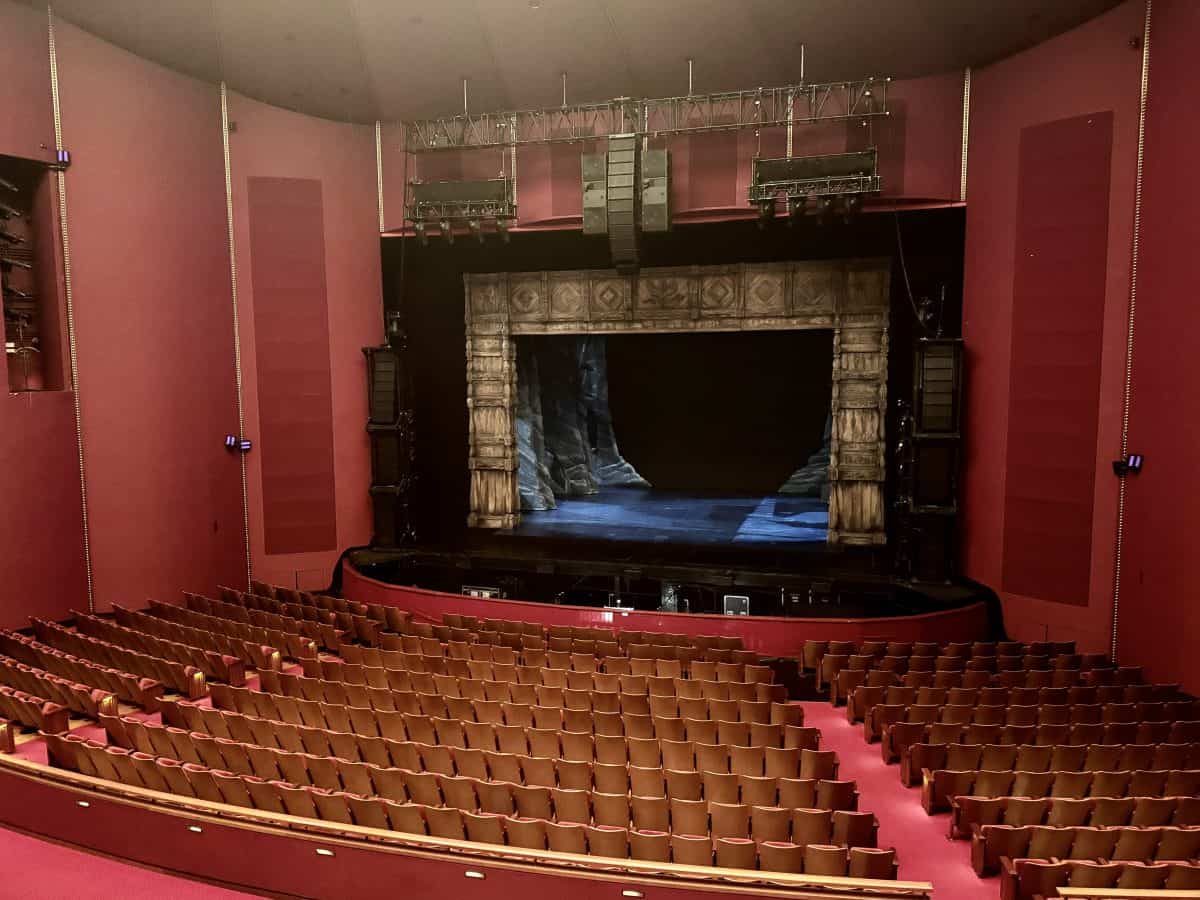
  1. The Opera House is the home of the Kennedy Center Honors performance every December. Sit in the Presidential box and see the view of the stage, four levels and balconies, and the 2,340 seats. Austria gifted the Center the chandelier, which is 50 feet wide and has over two thousand bulbs.
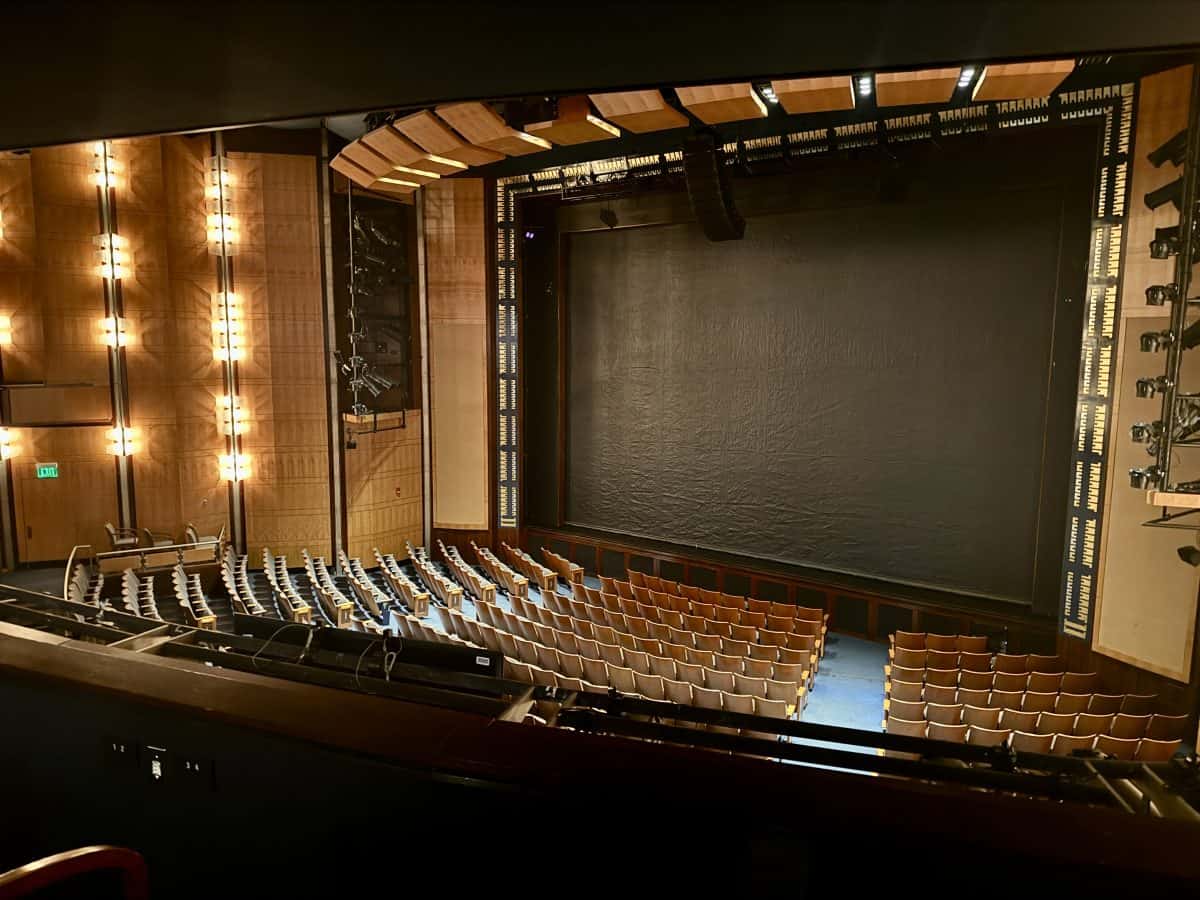
  2. The Eisenhower Theater, named after Presidential Eisenhower, was most recently renovated in 2014 and has about 1,110 seats. This theater has a portrait of Eisenhower instead of the Presidential Seal above the Presidential Box door. 
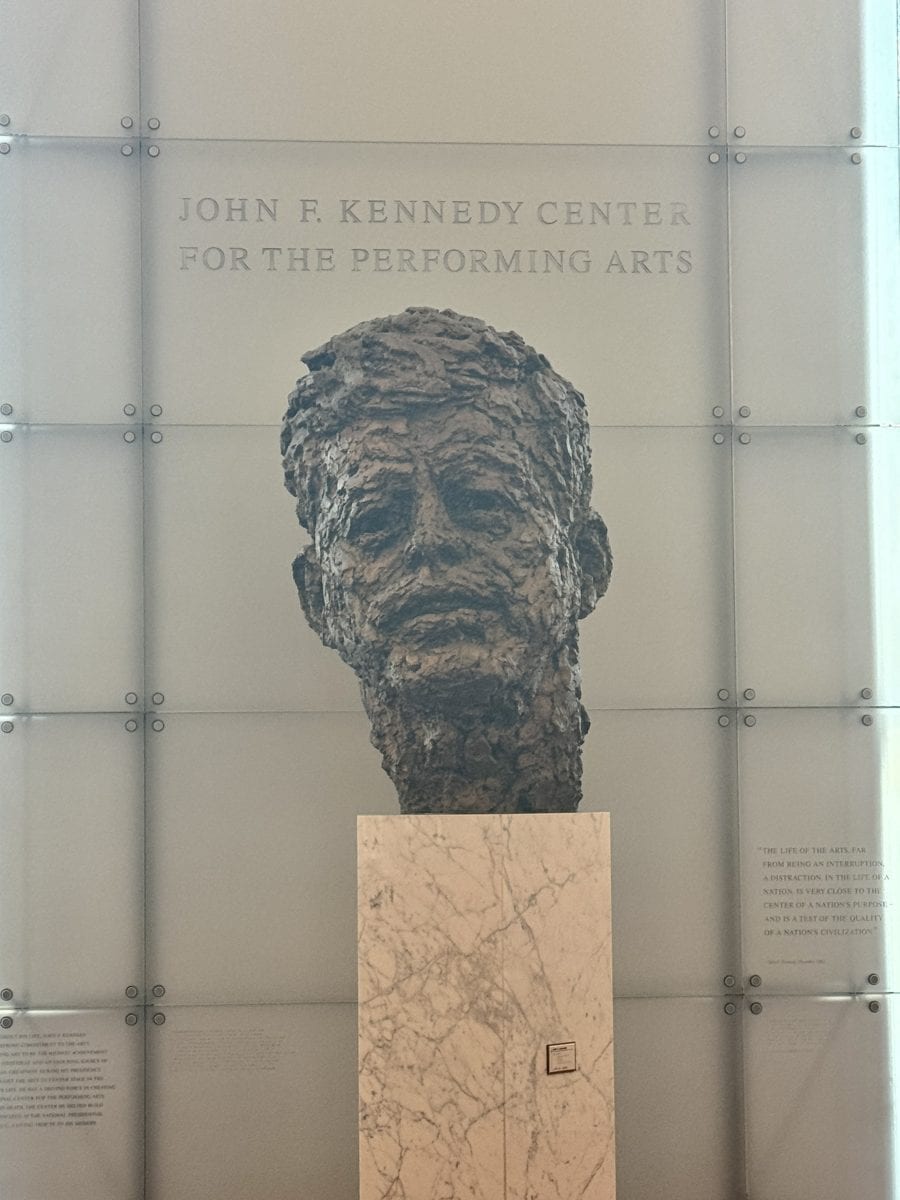
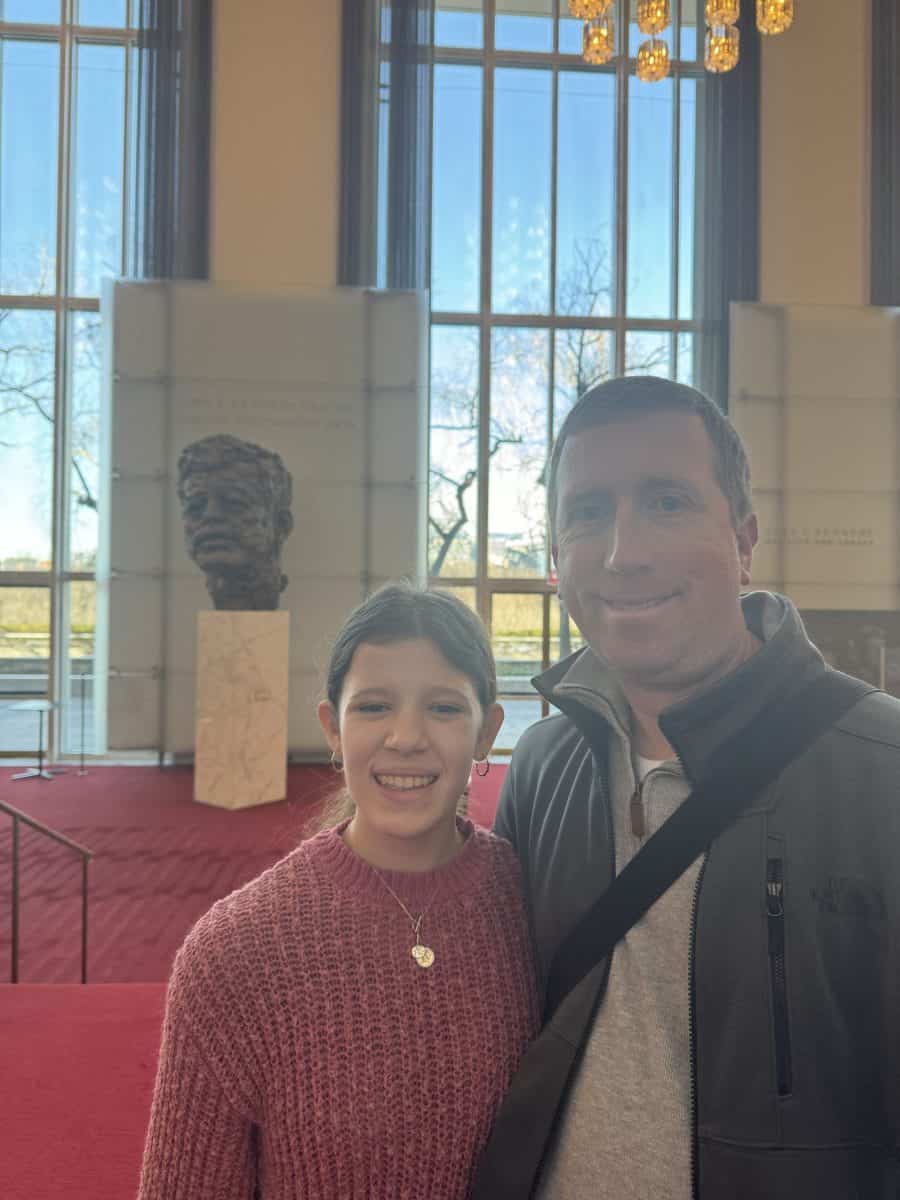
  3. The bust of JFK, which weighs three thousand pounds even though the inside of the bust is hollow, on display in the Grand Foyer.
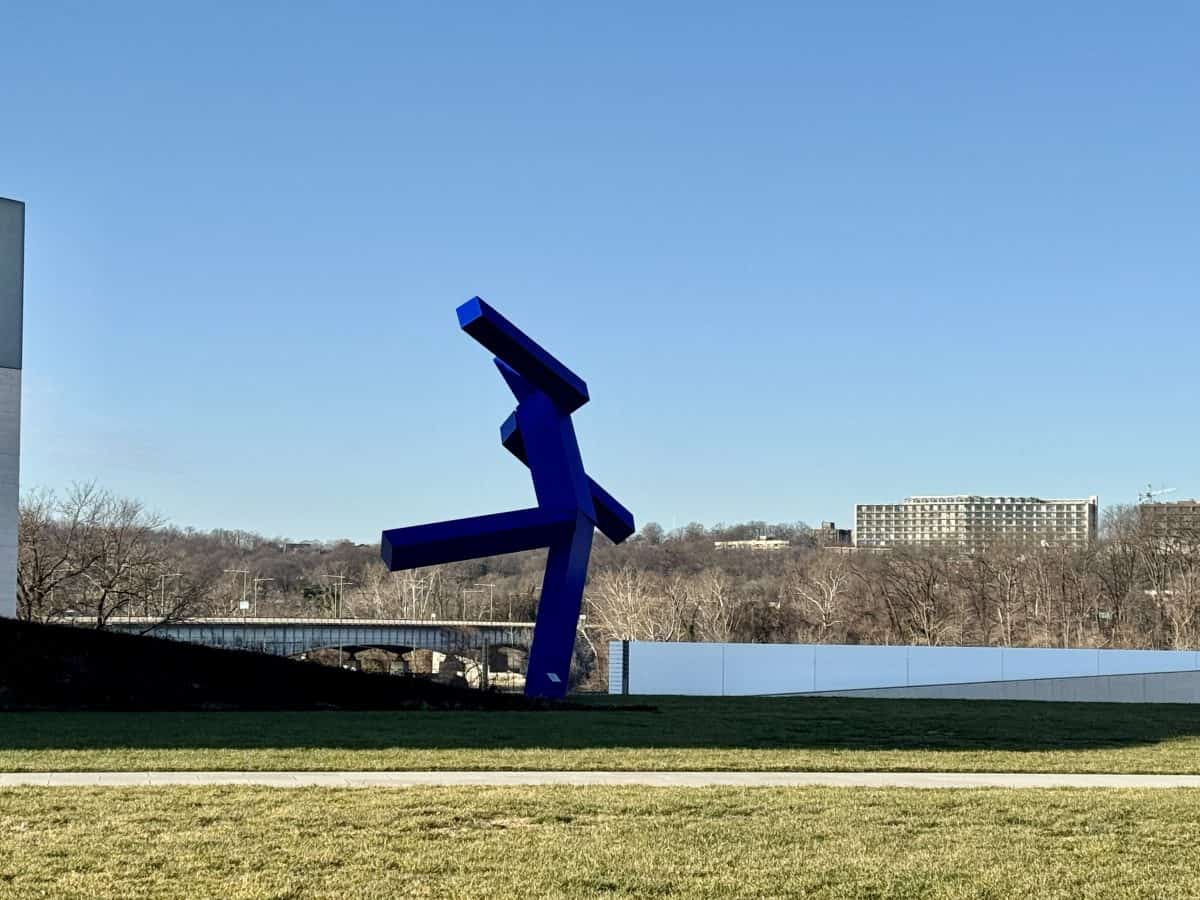
  4. The Top of the Center (during warmer months). The panoramic views afford visitors the chance to see the Washington Monument, Lincoln and Jefferson Memorials, Arlington Cemetery, and the National Cathedral.   
  5. The Terrace Theater is sometimes available for tours to take a peek. It was closed for cleaning on the date of our tour. Visitors are also welcome to explore the JFK Gallery on the Terrace Level, which hosts the Art and Ideals: President John F. Kennedy exhibit.
Would you like to save this?
We'll email this post to you, so you can come back to it later.

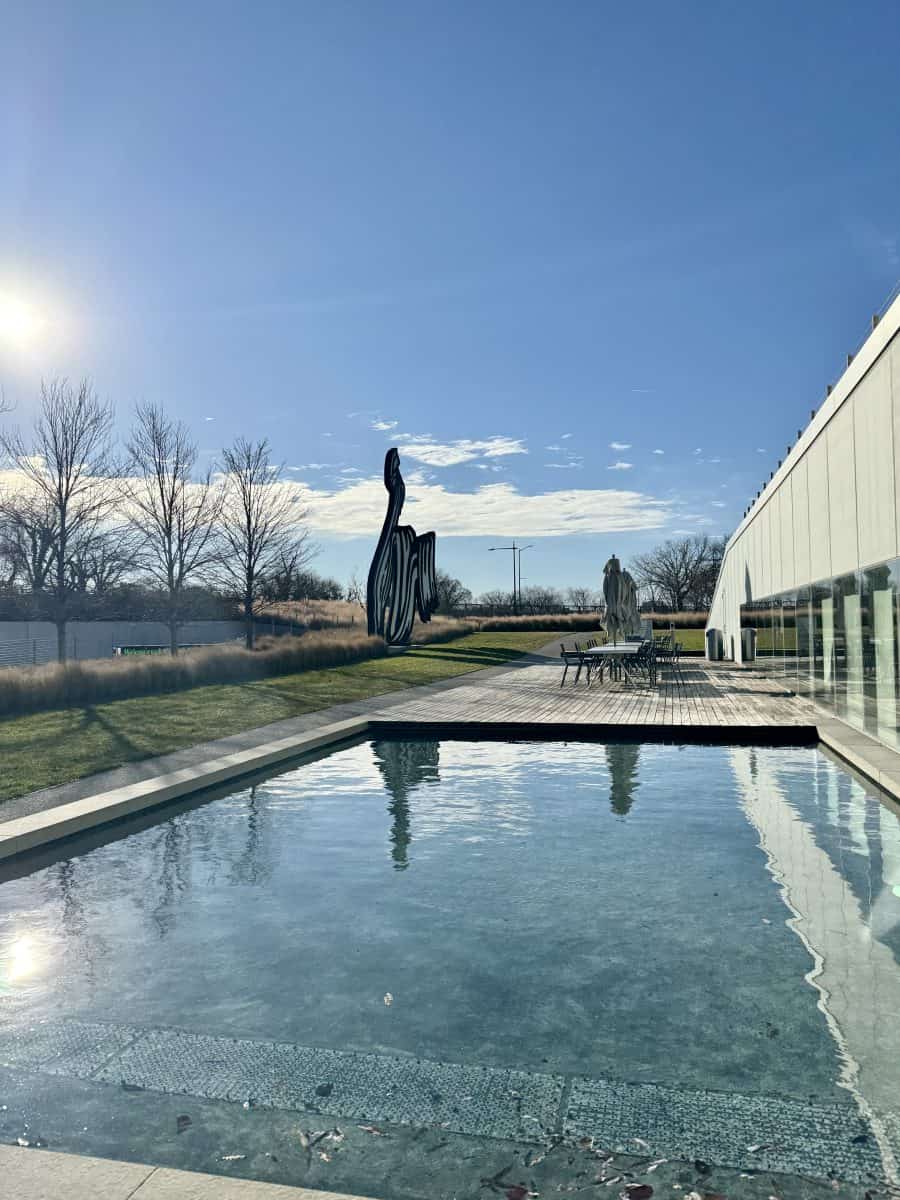
Bonus: If you have time, check out REACH, a 4.6 acre park next to the Kennedy Center, that opened in 2019 and includes several indoor and outdoor pavilions and spaces for studios and classrooms for rehearsals, small concerts, and receptions. 
Looking for other tours of performing arts center? Check our our posts featuring Carnegie Hall (NY), Radio City Music Hall (NY), the Met Opera House (NY) The Bushnell Performing Arts Center (CT), the Wang Theatre at the Boch Center (MA), and the Boston Symphony Orchestra (MA).

Looking for other adventures in Washington DC? See our index of posts here, our full Washington DC City Guide here, and our posts featuring the National Zoo, the Library of Congress, the Smithsonian American Art Museum and National Portrait Gallery, the National Museum of American History, the National Museum of African American History & Culture, the National Museum of the American Indian, the International Spy Museum, the National Building Museum, the National Postal Museum, and Mount Vernon. And follow along on our adventures on Instagram, Facebook, Pinterest, and X.

Similar Posts

  • | | | | |

    Ocean Edge Resort on Cape Cod in Massachusetts

    I grew up less than an hour from Cape Cod, which is located south of Boston- it’s the “flexed arm” in the Massachusetts state outline. We often took day trips to various villages and beaches on the Cape but rarely stayed on site overnight. I didn’t know what I was missing out on until our recent visit to the Ocean Edge Resort.

    Located in Brewster, Massachusetts, in the middle of the Cape, Ocean Edge Resort is a world class resort spread over 400+ acres with its own private beach, 18 hole golf course, 9 tennis courts, 5 pools, and endless amounts of family fun. During the popular summer season, the resort offers daily programming in sports, fitness, dining, and kid friendly activities. There’s a seasonal shuttle throughout the complex so guests can simply “pahk the cah” (you are in Massachusetts, of course) and immediately get into vacation mode.

  • | | | | |

    Fort Sumter National Park in Charleston, SC

    There is plenty of architecture, southern cuisine, and water views to check out in Charleston, South Carolina but no trip would be complete without reliving a major turning point in our country’s history.

    Fort Sumter National Monument is the only structure on the man-made island, which was created in the early 1800s as a defense for the city of Charleston. In April of 1861, the Confederate army bombed the still incomplete Fort, signaling the start of the Civil War.

    Operated by the National Parks Service and Fort Sumter Tours, access to the island is by tour boats docked at both Liberty Square or Patriot’s Point. I would leave from the Liberty Square Visitor Center so you can spend some time checking out displays which chronicle the history of the fort and check out a small gift shop. Make sure you stamp your National Parks PassportNote: There are restrooms located at both locations and I would recommend using them before boarding the boat to the island. The Visitor’s Center at Liberty Square is located on the second floor, but there is an elevator.

    The 40-minute narrated boat ride to the fort explains many details about the start of the Civil War.  Once you’re on the island, you can explore the fort on your own. There are park rangers stationed at various points to give short lectures and to answer any questions. There are also placards that give detailed information about structures and objects.  I would plan on spending 45-60 minutes at the fort. When you go, be sure to look out for:

  • | | | |

    10 Things to Do at the Museum of Math in New York City

    YES! There is actually a museum to celebrate math; a museum filled with dozens of hands-on, interactive puzzles, challenges, and activities that celebrate all facets of mathematics. Located across the street from Madison Square Park, the National Museum of Mathematics opened in 2012 and welcomes visitors of all ages through daily family friendly activities, field trips, after school programs, enrichment workshops for teachers and students, and a museum that is open all year.

  • | | | |

    Smithsonian American Art Museum and National Portrait Gallery in Washington, D.C.

    Disclaimer: I have chosen to continue my weekly blog posts sharing our recent adventures exploring America. Our family has been safely quarantined for over a month and we will continue to do so until it safe to head out on our next adventure. The travel tips and recommendations we share were current at the time of visitation in 2019-2020. We recommend helping our country (and world) by staying home and planning for future adventures. We hope these posts bring you inspiration and motivation to plan your next trip!

    One of the oldest buildings in Washington DC and now a National Historic Landmark building, The Donald W. Reynold Center for American Art and Portraiture is home to both the Smithsonian American Art Museum and National Portrait Gallery. The complex first opened to the public in 1968 and completed renovations in the early 2000s. Both institutions, overseen by the Smithsonian Institute, are housed in the same complex. The Portrait Gallery has over 23,000 pieces of art in its collection and began officially commissioning portraits of presidents, beginning with George H.W. Bush. The American Art Museum is home to one of the largest collection of American art in the world and includes The Luce Foundation Center for American Art, housed on the 3rd floor. The Luce collection has more than 3,000 pieces of art in mediums from paintings to sculptures to medals to jewelry.

  • | | | | | | |

    Acadia National Park, Maine

    I may not be a huge hiker or camper, but I am a huge fan of the water, especially the ocean water, and love any view that involves water or mountains. I’m also a HUGE fan of the National Parks Service system and have been visiting historic sites, monuments, museums, and parks for years, learning all about our country’s history and collecting stamps for my National Parks Passport. So, it seemed logical to put Acadia National Park in Maine on my bucket list. This summer, I helped to plan a family reunion in York, Maine (post coming next week) and I seized the location and added a visit to Acadia National Park.

    Acadia National park is a 47,000 acre park (the only National Park located in New England) It’s located on Mount Desert Island, right next to the beautiful village of Bar Harbor. Acadia is unique in the sense that there is no one, defined entrance and exit site. There are multiple spots to enter and the park weaves in and out of the community. There are sections that require a park pass, which for 2017, was a $25 fee for a week pass for a noncommercial vehicle. Lucky for us, the Every Kid in a Park program allows fourth graders, and their families, to receive entrance to all National Parks all year long, so we got in for free! There is SO much to do in Acadia, it would take days to cover it all. Here are some of my family’s top spots:

5 Comments

  1. The Kennedy Center is on my list of places to visit. It’s so cool that gifts were given to the US from other countries and I love the display of flags which represents our friends/allies. Great photos taken of your time there!

Leave a Reply

Your email address will not be published. Required fields are marked *